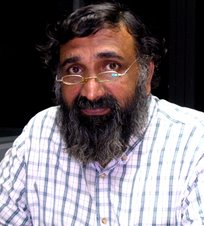
(തേജസ് എന്ന പത്രത്തില് 2009 ഫെബ്രുവരി 26നു് പ്രസിദ്ധീകരിച്ച ലേഖനമാണു് ചുവടെ കൊടുക്കുന്നതു്. )
റിച്ചഡ് സ്റ്റാള്മാന് എന്ന പേരും അദ്ദേഹത്തിന്റെ രൂപവും ഇന്നു് കേരളത്തില് വളരെയധികം പേര്ക്കു് പരിചിതമായിരിക്കണം. എന്നാല് 2001ല് അദ്ദേഹം ആദ്യമായി കേരളത്തിലെത്തിയപ്പോള് അങ്ങനെയായിരുന്നില്ല സ്ഥിതി. നീണ്ട മുടിയും അനുസരണയില്ലാതെ വളരുന്ന താടിയുമുള്ള, എപ്പോഴും ഒരു ലാപ്ടോപ് സഞ്ചിയും തൂക്കി നടക്കുന്ന ഈ വെള്ളക്കാരനെ ഒരു കോമാളിയായി അന്നു പലരും കണ്ടിരിക്കണം. അദ്ദേഹം വിമാനത്താവളത്തില് വന്നിറങ്ങിയപ്പോള് നീണ്ട മുടിയും താടിയും കണ്ടു് ഇതാരാണെന്നറിയാന് പലരും ചുറ്റിലും കൂടി. ഇതു മനസിലാക്കിയ സ്റ്റാള്മാന് അവരോടു പറഞ്ഞതു് ഇങ്ങനെയാണു്, "I am St.~IGNUcious of the Church of Emacs" (ഇമാക്സിന്റെ പള്ളിയിലെ വിശുദ്ധ ഇഗ്നുഷ്യസ് ആണു ഞാന്). GNU എന്നതു് സ്വതന്ത്ര സോഫ്റ്റ്വെയര് സൃഷ്ടിക്കാനായി സ്റ്റാള്മാന് തുടങ്ങിയ പ്രോജക്ടിന്റെ പേരും ഇമാക്സ് അദ്ദേഹം രചിച്ച പ്രശസ്തമായ ടെക്സ്റ്റ് എഡിറ്ററുമാണു്. ചിലപ്പോള് പ്രസംഗത്തിനു ശേഷം ഒരു ളോഹയുമണിഞ്ഞു് പോപ്പിന്റേതു പോലത്തെ ഒരു തൊപ്പിയും തലയില് വെച്ചു് എല്ലാവര്ക്കും അനുഗ്രഹമേകിക്കൊണ്ടു് ഈശ്വരവിശ്വാസിയല്ലാത്ത സ്റ്റാള്മാന് പറയാറുള്ള വാചകമാണിതു്.
സ്റ്റാള്മാന്റെ കുസൃതിയുടെ ഒരുദാഹരണമാണിപ്പറഞ്ഞതു്. അദ്ദേഹത്തിന്റെ മറ്റൊരു വശം പ്രകടമാക്കുന്ന ഒരുദാഹരണം കൂടി പറയട്ടെ. അക്കാലത്തു തന്നെ ഒരിക്കല് ഒരു കാറില് സഞ്ചരിക്കുന്നതിനിടെ സഹയാത്രികരിലൊരാള് പറഞ്ഞു ഒരു വെബ് സൈറ്റില് ഉണ്ടായിരുന്ന ഒരു സ്വാതന്ത്ര്യ പ്രഖ്യാപനത്തില് നെല്സണ് മണ്ഡേല ഒപ്പുവെച്ചു എന്നു്. സ്റ്റാള്മാനു് വലിയ അത്ഭുതവും സന്തോഷവുമായി. അദ്ദേഹത്തിന്റെ കണ്ണുകള് ഈറനണിഞ്ഞു. മണ്ഡേല തന്റെ എക്കാലത്തെയും ആരാധനാപാത്രമായിരുന്നു എന്നദ്ദേഹം പറഞ്ഞു. അപ്പോള് മറ്റൊരു സഹയാത്രികന് മണ്ഡേലയെയും സ്റ്റാള്മാനെയും ഉപമിക്കാന് ശ്രമിച്ചു. "ഞാന് ചെയ്തതു് എന്തൊക്കെയായാലും അദ്ദേഹം ഇരുപത്തഞ്ചുവര്ഷം തടവില് കിടന്നതുമായി താരതമ്യം ചെയ്യാനേ പറ്റില്ല" എന്നായിരുന്നു സ്റ്റാള്മാന്റെ മറുപടി.
റിച്ചഡ് സ്റ്റാള്മാന് ലോകമെമ്പാടും അറിയപ്പെടുന്നതു് സോഫ്റ്റ്വെയര് സ്വാതന്ത്ര്യത്തിന്റെ തളരാത്ത പോരാളിയായിട്ടാണല്ലൊ. എന്നാല് സോഫ്റ്റ്വെയറിന്റെ ലോകത്തു് മാത്രമല്ല, എവിടെ അനീതി കണ്ടാലും അതിനെതിരെ പ്രതികരിക്കുന്ന ഒരു വ്യക്തിത്വമാണു് അദ്ദേഹത്തിന്റേതു്. ഇതു് ചിലപ്പോള് അദ്ദേഹത്തിന്റെ സ്വതന്ത്ര സോഫ്റ്റ്വെയറിനെപ്പറ്റിയുള്ള പ്രസംഗങ്ങളില് തന്നെ കേള്ക്കാം. വാസ്തവത്തില് സ്വതന്ത്ര സോഫ്റ്റ്വെയര് സൃഷ്ടിക്കാനുള്ള അദ്ദേഹത്തിന്റെ തീരുമാനം തന്നെ ഈ വ്യക്തിത്വത്തിന്റെ ഫലമാണെന്നു പറയാം. അതിന്റെ കഥ ഏതാണ്ടിപ്രകാരമാണു്.
സ്റ്റാള്മാന് പ്രവൃത്തിയെടുത്തിരുന്ന എം.ഐ.റ്റി. എന്ന പ്രശസ്തമായ സാങ്കേതിക വിദ്യാലയത്തിലെ ആര്ട്ടിഫിഷ്യല് ഇന്റലിജന്സ് വകുപ്പില് കമ്പ്യൂട്ടര് ശൃംഘലയില് ഘടിപ്പിച്ചിരുന്ന പ്രിന്ററാണു് എല്ലാവരും ഉപയോഗിച്ചിരുന്നതു്. ഇതില് കടലാസു് ഉടക്കിയാല് പിന്നെ അച്ചടി നിന്നുപോകും. ഇതു് പലര്ക്കും ബുദ്ധിമുട്ടുണ്ടാക്കിയിരുന്നു. അതിനു് റിച്ചഡ് ഒരു പരിഹാരം കണ്ടുപിടിച്ചു. പ്രിന്ററിന്റെ ഡ്രൈവര് എന്ന സോഫ്റ്റ്വെയറില് അദ്ദേഹമൊരു മാറ്റം വരുത്തി. ഈ മാറ്റത്തിന്റെ ഫലമായി ഓരോരുത്തരുടെയും പ്രിന്റിങ്ങ് പണി ചെയ്തു കഴിഞ്ഞാല് പ്രിന്റര് അവര്ക്കൊരു സന്ദേശമയയ്ക്കും. അതുപോലെ പ്രിന്ററില് കടലാസുടക്കിയാല് എല്ലാവരെയും പ്രിന്റര്തന്നെ അക്കാര്യമറിയിക്കും. ഇതു് ഉപയോക്താക്കള്ക്കെല്ലാം വളരെ സഹായകമായി.
ലാബില് പുതിയൊരു പ്രിന്റര് ലഭിച്ചപ്പോള് ഈ മാറ്റം അതിന്റെ ഡ്രൈവറിലും വരുത്തണമെന്നു് അദ്ദേഹത്തിനു് ആഗ്രഹമുണ്ടായിരുന്നു. ഡ്രൈവറില് മാറ്റം വരുത്തണമെങ്കില് അതിന്റെ മൂലരൂപമായ സോഴ്സ് കോഡ് വേണം. എന്നാല് പുതിയ പ്രിന്ററിന്റെ ഡ്രൈവര് എഴുതിയ വ്യക്തി അതു് നല്കാന് വിസമ്മതിച്ചു. അതാരെയും കാണിക്കില്ല എന്നൊരു കരാര് കമ്പനിയുമായി ഒപ്പുവച്ചിട്ടുണ്ടു് എന്നതാണു് അദ്ദേഹം സ്റ്റാള്മാനു നല്കിയ കാരണം. ഇതു പ്രോഗ്രാമര് സമൂഹത്തെ മുഴുവനും വഞ്ചിക്കുന്ന ഒരു പ്രവൃത്തിയായിട്ടാണു് റിച്ചഡിനു തോന്നിയതു്. കാരണം ഇത്തരം കരാറുകള് ഉപയോക്താവിന്റെ സ്വാതന്ത്ര്യം നഷ്ടപ്പെടുത്തുകയാണല്ലൊ. അങ്ങനെയാണു് ഉപയോഗിക്കാനും പകര്ത്തിക്കൊടുക്കാനും മാറ്റം വരുത്താനും മറ്റും സ്വാതന്ത്ര്യമുള്ള സോഫ്റ്റ്വെയര് നിര്മ്മിക്കാന് റിച്ചഡ് തീരുമാനിച്ചതു്. 1983ലായിരുന്നു ഇതു്. അന്നു് അദ്ദേഹം ഏതാണ്ടു് ഒറ്റയ്ക്കായിരുന്നെങ്കിലും ഇപ്പോള് പതിനായിരക്കണക്കിനു് ആള്ക്കാര് സ്വതന്ത്ര സോഫ്റ്റ്വെയര് നിര്മ്മിക്കാനായി പ്രയത്നിക്കുന്നുണ്ടു്. സ്വതന്ത്ര സോഫ്റ്റ്വെയര് പ്രചരിപ്പിക്കാനായി 1985ല് അദ്ദേഹം ഫ്രീ സോഫ്റ്റ്വെയര് ഫൌണ്ടേഷന് തുടങ്ങി. (ഇന്നു് ലോകത്തില് ഇന്ത്യയിലുള്പ്പെടെ നാലു് ഫ്രീ സോഫ്റ്റ്വെയര് ഫൌണ്ടേഷനുകളുണ്ടു്. കൂടാതെ സ്വതന്ത്ര സോഫ്റ്റ്വെയര് പ്രചരിപ്പിക്കുന്ന മറ്റനേകം സംഘടനകളും.) താന് പണിയെടുത്തിരുന്ന സ്ഥാപനം തന്റെ പ്രയത്നത്തിന്റെ അവകാശം ആവശ്യപ്പെടുമോ എന്നു ഭയന്നു് അദ്ദേഹം എം.ഐ.റ്റിയില് നിന്നു് രാജിവയ്ക്കുകയും ചെയ്തു.
സമാധാനത്തിനും സ്വാതന്ത്ര്യത്തിനും മനുഷ്യാവകാശത്തിനും വേണ്ടിയുള്ള റിച്ചഡിന്റെ പോരാട്ടങ്ങള്ക്കുള്ള ഏറ്റവും നല്ല തെളിവു് അദ്ദേഹത്തിന്റെ വെബ്സൈറ്റു തന്നെയാണു്. വാങ്ങിയ പുസ്തകം വായിക്കരുതെന്നാവശ്യപ്പെട്ടതിനു് ഹാരി പോട്ടറിന്റെ കര്ത്താവു് ശ്രീമതി റൌളിങ്ങിനെതിരായിയുള്ളതു മുതല് ഇസ്രയേല് പലസ്തീന് പ്രശ്നം പരിഹരിക്കുന്നതിനേക്കുറിച്ചും ഗ്വാണ്ടാനാമോയിലെ പ്രശ്നത്തേക്കുറിച്ചുമൊക്കെയുള്ള പരാമര്ശങ്ങള് അവിടെ കാണാം.
ഡെമോക്രാറ്റിക് കക്ഷിയെ പിന്താങ്ങുന്ന ഡാനിയെല് സ്റ്റാള്മാന്, ആലീസ് ലിപ്മാന് എന്നിവരുടെ മകനായി 1953 മാര്ച്ചു് 16നു് ന്യൂ യോര്ക്കിലാണു് റിച്ചഡ് ജനിച്ചതു്. ഹൈസ്ക്കൂള് പഠനം കഴിഞ്ഞു് ന്യൂ യോര്ക്കിലെ ഐ.ബി.എം.~സെന്ററില് ഒരു തൊഴില് ലഭിച്ച റിച്ചഡ്, അവധിക്കാലം മുഴുവനും ഒരു പ്രോഗ്രാമിങ് ഭാഷയ്ക്കു് ഐ.ബി.എമ്മിന്റെ സിസ്റ്റം 360 എന്ന കമ്പ്യൂട്ടറില് ആവശ്യമായ ഒരു സോഫ്റ്റ്വെയര് നിര്മ്മിക്കുന്നതില് വ്യാപൃതനായിരുന്നു. 1971 മുതല് റിച്ചഡ് എം.ഐ.റ്റിയിലെ ആര്ട്ടിഫിഷ്യല് ഇന്റലിജന്സ് വിഭാഗത്തിനു വേണ്ടി പ്രോഗ്രാമിങ് പണി ചെയ്തു തുടങ്ങിയിരുന്നു. പിന്നീടു് ബിരുദപഠന കാലത്തും അതിനു ശേഷവും അദ്ദേഹം എം.ഐ.റ്റിയില് പ്രവൃത്തിയെടുത്തിരുന്നു. അക്കാലത്തൊക്കെ എല്ലാവരും പ്രോഗ്രാമുകള് പരസ്പരം കൈമാറുമായിരുന്നു -- എല്ലാ സോഫ്റ്റ്വെയറും അന്നു് സ്വതന്ത്രമായിരുന്നു. ഈ പ്രവര്ത്തനരീതിയില് മാറ്റമുണ്ടാകുന്നതു് കണ്ടപ്പോഴാണു് സ്റ്റാള്മാനു് സ്വതന്ത്ര സോഫ്റ്റ്വെയര് ഉണ്ടാക്കാനുള്ള ആവേശമുണ്ടായതു്.
``ആദ്യമവര് നമ്മെ അവഗണിക്കും. പിന്നെയവര് കളിയാക്കും. പിന്നെ പൊരുതാന് തുടങ്ങും, പിന്നെ നമ്മള് ജയിക്കും'' എന്നു (ഗാന്ധിജിയാണെന്നു തോന്നുന്നു) പറഞ്ഞതിനു് നല്ല ഉദാഹരണമാണു് സ്വതന്ത്ര സോഫ്റ്റ്വെയറിന്റെ ചരിത്രം. ആദ്യകാലത്തു് ആകെ അവഗണിക്കുകയും പിന്നീടു് ചിലരുടെ നേരംപോക്കായി ഇതിനെ കളിയാക്കുകയും ചെയ്ത സോഫ്റ്റ്വെയര് കമ്പനികള് പിന്നീടു് ഗൌരവമായി പൊരുതാന് തുടങ്ങി. ഇതു് കമ്പനികളെ കോടതികള് വരെ എത്തിച്ചു. ഇന്നിപ്പോള് മൈക്രോസോഫ്റ്റു പോലും പഴയ വാശികള് ഉപേക്ഷിച്ചു് സ്വതന്ത്ര സോഫ്റ്റ്വെയറുമായി സഹകരിക്കാന് തയാറാവുകയാണു്. നാളെയവര് ഒരു സ്വതന്ത്ര സോഫ്റ്റ്വെയര് കമ്പനിയായിത്തീരില്ലെന്നു് ആരു കണ്ടു? അതു് സംഭവിച്ചാലും ഇല്ലെങ്കിലും ഉടമസ്ഥാവകാശമുള്ള സോഫ്റ്റ്വെയര് വിറ്റു് പണം വാരിക്കൂട്ടുന്ന ഗോലിയാത്തുകളെ മറിച്ചിടാനൊരുങ്ങുന്ന ദാവീദായിട്ടാണു് പലരും റിച്ചഡ് സ്റ്റാള്മാനെ കാണുന്നതു്.
ലോകത്തിലെ സ്വതന്ത്ര സോഫ്റ്റ്വെയര് ചിത്രത്തില് കേരളത്തിനു് ഇന്നൊരു പ്രമുഖ സ്ഥാനമുണ്ടു്. കേരളത്തിലെ ഹൈസ്ക്കൂളുകളില് ഐ.റ്റി. പഠിപ്പിക്കാനുപയോഗിക്കുന്നതു് സ്വതന്ത്ര സോഫ്റ്റ്വെയറാണല്ലൊ. 2600ല്പ്പരം ഹൈസ്ക്കൂളുകളാണു് കേരളത്തിലുള്ളതു്. ഒരോ വര്ഷവും അഞ്ചുലക്ഷം കുട്ടികളാണു് ഹൈസ്ക്കൂള് കഴിഞ്ഞു് പുറത്തിറങ്ങുന്നതു്. ലോകത്തിലൊരിടത്തും ഇത്രയും വിശാലമായ തലത്തില് സ്ക്കൂളുകളില് സ്വതന്ത്ര സോഫ്റ്റ്വെയര് ഉപയോഗിക്കുന്നില്ല. പല യൂറോപ്യന് രാജ്യങ്ങളുടെയും ജനസംഖ്യ കേരളത്തിലേതിനേക്കാള് കുറവാണു് എന്നോര്ക്കണം. അതിനു പുറമെയാണു് കേരള സര്ക്കാര് എല്ലാ ആവശ്യങ്ങള്ക്കും സ്വതന്ത്ര സോഫ്റ്റ്വെയര് മാത്രം ഉപയോഗിച്ചാല് മതി എന്നു തീരുമാനിച്ചിരിക്കുന്നതു്. കൂടാതെ ഇന്ത്യയിലെ ഫ്രീ സോഫ്റ്റ്വെയര് ഫൌണ്ടേഷന്റെ ആസ്ഥാനം കേരളമാണു് എന്ന കാര്യവും പ്രസക്തമാണു്.
ഓരോ വര്ഷവും കേരളത്തില് അഞ്ചുലക്ഷം വിദ്യാര്ത്ഥികള് സ്വതന്ത്ര സോഫ്റ്റ്വെയര് പഠിച്ചു് പുറത്തിറങ്ങുന്നു എന്നതു് പല കുത്തക സോഫ്റ്റ്വെയര് കമ്പനികളുടെയും ഉറക്കം കെടുത്തുന്നുണ്ടാവും. കേരളത്തിലെ വിദ്യാഭ്യാസത്തിലേക്കു് തിരിച്ചുവരാന് അവര് കിണഞ്ഞു ശ്രമിക്കും എന്നതിനു് സംശയം വേണ്ട. വിശേഷിച്ചു് പല രാജ്യങ്ങളും സ്വതന്ത്ര സോഫ്റ്റ്വെയറിലേക്കു് മാറിക്കൊണ്ടിരിക്കുന്നതു കൊണ്ടു്. അടുത്ത കാലത്താണു് റഷ്യന് ഫെഡറേഷനും ക്യൂബയും അവരുടേതായ സ്വതന്ത്ര സോഫ്റ്റ്വെയര് നിര്മ്മിക്കാനും രാജ്യത്താകെ അതുപയോഗിക്കാനും തീരുമാനിച്ചതു്. അമേരിക്കയിലാണെങ്കില് ഒബാമ അതിനുള്ള ശ്രമത്തിനു് തുടക്കം കുറിച്ചു കഴിഞ്ഞു. കാനഡയും ആ വഴിക്കു് ചിന്തിച്ചു തുടങ്ങിയിരിക്കുന്നു. വെനസ്വേല, പെറു, ആര്ജന്റീന തുടങ്ങിയ പല ലാറ്റിനമേരിക്കന് രാജ്യങ്ങളും നേരിത്തെ തന്നെ സ്വതന്ത്ര സോഫ്റ്റ്വെയറിലേക്കു് മാറാന് തീരുമാനിച്ചിരുന്നു. ആസ്ട്രേലിയയിലും സ്വതന്ത്ര സോഫ്റ്റ്വെയര് പ്രചാരത്തിലായിക്കൊണ്ടിരിക്കുന്നു. അങ്ങനെ ലോകത്താകമാനം ഉണ്ടായിക്കൊണ്ടിരിക്കുന്ന ഒരു മാറ്റത്തിന്റെ മുന്നിരയിലാണു് കേരളം.
(ഈ ലേഖനം ക്രിയേറ്റീവ് കോമണ്സ് Attribution No Derivative (by-nd) 2.5 India (http://creativecommons.org/licenses/by-nd/2.5/in/ കാണുക) ലൈസന്സില് പ്രസിദ്ധീകരിച്ചിരിക്കുന്നു. ഈ കുറിപ്പുകൂടി ഉള്പ്പെടുത്തുന്ന പക്ഷം ഈ ലേഖനം ഇതേ രൂപത്തില് ഏതു മാധ്യമത്തിലും പ്രസിദ്ധീകരിക്കാവുന്നതാണു്.)
Saturday, February 28, 2009


Saturday, February 14, 2009
സ്വതന്ത്രസോഫ്റ്റ്വെയറും സ്വതന്ത്ര സമൂഹവും
This is an article that was published in the Malayalam magazine Asaamaanyamaaya Maneesha (അസാമാന്യമായ മനീഷ), or just Maneesha, in its February issue. The magazine is published from Thrissur and carried a few photographs taken by Ashik Salahudin along with the article.
സ്വതന്ത്രസോഫ്റ്റ്വെയറും സ്വതന്ത്ര സമൂഹവും
ഡോ. വി. ശശി കുമാര്
സ്വതന്ത്ര സോഫ്റ്റ്വെയറിനേപ്പറ്റി കേട്ടിട്ടില്ലാത്തവര് കേരളത്തില് ചുരുക്കമായിരിക്കണം. ഇന്ത്യയിലെ സ്വതന്ത്രസോഫ്റ്റ്വെയര് ഫൌണ്ടേഷന് തിരുവനന്തപുരത്തുവെച്ചാണു് ശ്രീ റിച്ചാഡ് സ്റ്റാള്മാന് 2001ല് ഉത്ഘാടനം ചെയ്തതു്. പിന്നീടു് കേരളത്തിലെ സ്ക്കൂളുകളില് ഐ.റ്റി. പഠിപ്പിക്കാന് സ്വതന്ത്രസോഫ്റ്റ്വെയര് ഉപയോഗിക്കാന് തുടങ്ങി. ഇപ്പോഴാണെങ്കില് സര്ക്കാരിന്റെ ഐ.റ്റി. നയത്തില് തന്നെ സ്വതന്ത്രസോഫ്റ്റ്വെയര് പ്രോത്സാഹിപ്പിക്കും എന്നു് പ്രഖ്യാപിച്ചിട്ടുണ്ടു്. സര്ക്കാര് വകുപ്പുകളിലുപയോഗിക്കുന്ന കമ്പ്യൂട്ടറുകള് സ്വതന്ത്ര സോഫ്റ്റ്വെയറിലേക്ക് മാറിക്കൊണ്ടിരിക്കയാണു്. 2008 ഡിസംബര് 9 മുതല് 11 വരെ തിരുവനന്തപുരത്തുവെച്ചു് "സ്വതന്ത്ര സോഫ്റ്റ്വെയര്, സ്വതന്ത്ര സമൂഹം'' എന്ന വിഷയത്തേക്കുറിച്ചു് ഒരു അന്തര്ദ്ദേശീയ സമ്മേളനം നടന്നു. ഇതിനും സര്ക്കാര് തന്നെയാണു് മുന്കൈ എടുത്തതു്. ഈ പശ്ചാത്തലത്തില് എന്താണീ സ്വതന്ത്രസോഫ്റ്റ്വെയര്, എന്താണീ സ്വതന്ത്ര സമൂഹം തുടങ്ങിയ കാര്യങ്ങള് നമുക്കു് പരിശോധിക്കാം.
സ്വതന്ത്രസോഫ്റ്റ്വെയര്
ഉപയോക്താക്കള്ക്കു് സ്വാതന്ത്ര്യം നല്കുന്ന സോഫ്റ്റ്വെയറാണു് സ്വതന്ത്രസോഫ്റ്റ്വെയര്. നാലു സ്വാതന്ത്ര്യങ്ങളാണു് സ്വതന്ത്രസോഫ്റ്റ്വെയര് നല്കുന്നതു്. എത്ര കമ്പ്യൂട്ടറുകളില് വേണമെങ്കിലും ഏതാവശ്യത്തിനും ഉപയോഗിക്കാനുള്ള സ്വാതന്ത്ര്യമാണു് ആദ്യത്തേതു്. നിശ്ചിത എണ്ണം കമ്പ്യൂട്ടറുകളില് ഉപയോഗിക്കാനുള്ള അനുവാദം മാത്രമെ ഉടമസ്ഥാവകാശമുള്ള (proprietary) സോഫ്റ്റ്വെയര് നല്കുന്നുള്ളൂ എന്നറിയാമല്ലോ. പകര്ത്തി മറ്റുള്ളവര്ക്കു് നല്കാനുള്ള സ്വാതന്ത്ര്യമാണു് രണ്ടാമത്തതു്. സോഫ്റ്റ്വെയറിന്റെ പ്രവര്ത്തനം പഠിക്കാനും വേണമെങ്കില് അതില് മാറ്റം വരുത്താനുമുള്ളതാണു് മൂന്നാമത്തെ സ്വാതന്ത്ര്യം. ഇതു് സാധ്യമാകണമെങ്കില് പ്രോഗ്രാമിന്റെ മൂലരൂപമായ സോഴ്സ് കോഡ് (source code) ലഭ്യമായേ പറ്റൂ. അതുകൊണ്ടു് എല്ലാ സ്വതന്ത്രസോഫ്റ്റ്വെയറിന്റെയും മൂലരൂപം ഇന്റര്നെറ്റില് ലഭ്യമാണു്. ഇങ്ങനെ മാറ്റം വരുത്തിയ സോഫ്റ്റ്വെയര് പുനര്വിതരണം ചെയ്യാനുള്ളതാണു് നാലാമത്തെ സ്വാതന്ത്ര്യം. ഈ നാലു സ്വാതന്ത്ര്യങ്ങളും നല്കുന്ന സോഫ്റ്റ്വെയറിനെ മാത്രമെ സ്വതന്ത്രസോഫ്റ്റ്വെയര് എന്നു പറയൂ. ഈ സ്വാതന്ത്ര്യങ്ങളൊന്നും തന്നെ നാം പണം കൊടുത്തു വാങ്ങുന്ന ഉടമസ്ഥാവകാശമുള്ള സോഫ്റ്റ്വെയര് നമുക്കു നല്കുന്നില്ല എന്നതു വ്യക്തമാണല്ലോ.
സോഫ്റ്റ്വെയര് അറിവു പോലെയാണെന്നും അറിവെന്നപോലെ സോഫ്റ്റ്വെയറും സ്വതന്ത്രമായിരിക്കണമെന്നുമുള്ള ആശയത്തിന്റെ അടിസ്ഥാനത്തിലാണു് സ്വതന്ത്രമായി ഉപയോഗിക്കാനും പകര്ന്നുകൊടുക്കാനും മറ്റും അനുവാദമുള്ള സോഫ്റ്റ്വെയര് സൃഷ്ടിക്കാന് റിച്ചാഡ് സ്റ്റാള്മാന് തീരുമാനിച്ചതു്. ലോകപ്രശസ്ത സാങ്കേതിക വിദ്യാലയമായ എം.ഐ.റ്റി. (MIT - Massachusetts Institute of Technology) യില് പ്രവര്ത്തിയെടുത്തിരുന്ന കാലത്തായിരുന്നു അദ്ദേഹം ഈ തീരുമാനമെടുത്തതു്. 1983ല് അദ്ദേഹം സ്വതന്ത്രസോഫ്റ്റ്വെയര് സൃഷ്ടിക്കാനായി ഗ്നു (GNU) എന്ന പ്രോജക്റ്റ് തുടങ്ങുകയും 1985ല് സ്വതന്ത്രസോഫ്റ്റ്വെയര് പ്രചരിപ്പിക്കാനായി ഫ്രീ സോഫ്റ്റ്വെയര് ഫൌണ്ടേഷന് എന്ന പ്രസ്ഥാനം ആരംഭിക്കുകയും ചെയ്തു. സോഫ്റ്റ്വെയര് സ്വാതന്ത്ര്യത്തോടുകൂടി വിതരണം ചെയ്യാനുള്ള ലൈസന്സും അദ്ദേഹം വികസിപ്പിച്ചെടുത്തു. അതാണു് ഇന്നു് സ്വതന്ത്ര സോഫ്റ്റ്വെയറിനു് ഏറ്റവും കൂടുതല് ഉപയോഗിക്കുന്ന ലൈസന്സായ ജി.പി.എല്. (ജനറല് പബ്ലിക് ലൈസന്സ്).
സ്റ്റാള്മാന് സ്വതന്ത്രസോഫ്റ്റ്വെയര് പ്രസ്ഥാനം തുടങ്ങിയതിനു പിന്നില് രസകരമായ ഒരു കഥയുണ്ടു്. അദ്ദേഹം എം.ഐ.റ്റിയില് പ്രവര്ത്തിച്ചുകൊണ്ടിരുന്ന കാലത്തു് സോഫ്റ്റ്വെയര് പൊതുവെ സ്വതന്ത്രമായിരുന്നു. കമ്പ്യൂട്ടര് ഉപയോഗിക്കുന്നവര് പ്രോഗ്രാമുകള് പരസ്പരം കൈമാറുമായിരുന്നു. എം.ഐ.റ്റിയിലെ ലാബില് അവരുപയോഗിച്ചിരുന്നതു് അവര്തന്നെ വികസിപ്പിച്ചെടുത്ത സോഫ്റ്റ്വെയറായിരുന്നു, ഓപ്പറേറ്റിംഗ് സിസ്റ്റമുള്പ്പോടെ. അവരുടെ കമ്പ്യൂട്ടറുകള് ശൃംഘലയായി (network) പരസ്പരം ബന്ധിച്ചിരുന്നു. അവരുപയോഗിച്ചിരുന്ന പ്രിന്ററും ശൃംഘലയുടെ ഭാഗമായിരുന്നു. എല്ലാ പ്രിന്ററുകളെയും പോലെ ഇതിനും ഒരു പ്രശ്നമുണ്ടായിരുന്നു -- ഇടയ്ക്കിടയ്ക്കു് കടലാസ് കുരുങ്ങുക. തല്ഫലമായി എന്തെങ്കിലും പ്രിന്റ് ചെയ്യാന് കൊടുത്തിട്ടു് കുറേക്കഴിഞ്ഞു് ചെന്നു നോക്കുമ്പോള് പ്രിന്റര് നശ്ചലമായി ഇരിക്കുന്നതാണു് കാണുക. കുരുങ്ങിയ കടലാസു മാറ്റിയിട്ടു് തിരിച്ചുപോകുകയേ അപ്പോള് മാര്ഗ്ഗമുള്ളൂ. ഇങ്ങനെ പല തവണ സംഭവിച്ചാല് ആര്ക്കായാലും ദേഷ്യം വരില്ലേ? ഇതിനൊരു പരിഹാരം കാണാന് സ്റ്റാള്മാന് ആഗ്രഹിച്ചു. അതിനദ്ദേഹം ഒരു വഴി കണ്ടെത്തുകയും ചെയ്തു. പ്രിന്ററിനെ കമ്പ്യൂട്ടറുമായി ബന്ധിപ്പിക്കുന്ന സോഫ്റ്റ്വെയറാണു് അതിന്റെ ഡ്രൈവര് എന്നറിയപ്പെടുന്നതു്. ഇതില് അദ്ദേഹം രണ്ടു് മാറ്റങ്ങള് വരുത്തി. ഒരാള് ആവശ്യപ്പെട്ട പേജുകള് പ്രിന്റ് ചെയ്തു കഴിഞ്ഞാല് ആ വിവരം അദ്ദേഹത്തിന്റെ കമ്പ്യൂട്ടറില് ഒരു സന്ദേശമായി തെളിയും എന്നതാണു് ഒന്നു്. അതുപോലെ, പ്രിന്ററില് കടലാസുടക്കിക്കഴിഞ്ഞാല് പ്രിന്റു ചെയ്യാന് നിര്ദ്ദേശം നല്കിയ എല്ലാവരുടെയും കമ്പ്യൂട്ടറില് ഈ വിവരം സന്ദേശമായി തെളിയും എന്നതാണു് രണ്ടാമത്തെ മാറ്റം കൊണ്ടു് സാധിച്ചതു്.
അങ്ങനെയിരിക്കെ റാങ്ക് ക്സീറോക്സ് കോര്പ്പറേഷന് (Rank Xerox Corporation) അവര്ക്കൊരു പുതിയ പ്രിന്റര് നല്കി. മേല്പറഞ്ഞ വിദ്യകള് അതിലും നടപ്പാക്കണം എന്നു് സ്റ്റാള്മാനു് ആഗ്രഹമുണ്ടായിരുന്നു. എന്നാല് പുതിയ പ്രിന്ററിനുള്ള ഡ്രൈവറിന്റെ മൂലരൂപം (മനുഷ്യര്ക്കു വായിക്കാവുന്ന രൂപം, source code) അദ്ദേഹത്തിനു ലഭിച്ചില്ല. അതന്വേഷിച്ചുകൊണ്ടിരിക്കെയാണു് ഡ്രൈവര് രചിച്ച വ്യക്തി അടുത്തുള്ള മറ്റൊരു സര്വ്വകലാശാലയില് വരുന്നുണ്ടെന്ന വിവരം സ്റ്റാള്മാന് അറിഞ്ഞതു്. അങ്ങനെ ഒരിക്കല് അവിടെ പോയപ്പോള് ആ വ്യക്തിയെ കണ്ടു് അദ്ദേഹം ഡ്രൈവറിന്റെ മൂലരൂപം ആവശ്യപ്പെട്ടു. എന്നാല് തികച്ചും അപ്രതീക്ഷിതമായ മറുപടിയാണു് സ്റ്റാള്മാനു് ലഭിച്ചതു്. കമ്പനിയുമായി "നോണ് ഡിസ്ക്ലോഷര് എഗ്രിമെന്റ'' ഒപ്പിട്ടിട്ടുള്ളതുകൊണ്ടു് അതു തരാനാകില്ല എന്നായിരുന്നു മറുപടി. ഇത്തരം എഗ്രിമെന്റുകളേപ്പറ്റി സ്റ്റാള്മാന് കേട്ടിരുന്നു. അവയോടു് അദ്ദേഹത്തിനും മറ്റു പല പ്രോഗ്രാമര്മാര്ക്കും ശക്തമായ എതിര്പ്പുമുണ്ടായിരുന്നു. എന്തായാലും അന്നത്തെ സാഹചര്യത്തില് വാതില് വലിച്ചടച്ചു് ഇറങ്ങിപ്പോന്നു എന്നാണു് സ്റ്റാള്മാന് തന്നെ പിന്നീടു് എഴുതിയതു്. അതേത്തുടര്ന്നാണു് ആര്ക്കും പങ്കുവയ്ക്കാനും മാറ്റം വരുത്താനും മറ്റും സ്വാതന്ത്ര്യമുള്ള ഓപ്പറേറ്റിങ് സിസ്റ്റവും (കമ്പ്യൂട്ടറിന്റെ പ്രവര്ത്തനം നിയന്ത്രിക്കുന്ന സോഫ്റ്റ്വെയര്) ആപ്ലിക്കേഷനുകളും ഉണ്ടാക്കണമെന്നു് അദ്ദേഹം തീരുമാനിച്ചതു്.
ഗ്നു പ്രോജക്ട് തുടങ്ങിയിട്ടു് ഇപ്പോള് കാല് നൂറ്റാണ്ടു് പിന്നിട്ടിരിക്കുന്നു. ആദ്യകാലത്തു് സ്റ്റാള്മാന് ഒറ്റയ്ക്കായിരുന്നെങ്കിലും ഇപ്പോള് ലോകത്തെമ്പാടുമുള്ള പതിനായിരക്കണക്കിനു് പ്രോഗ്രാമര്മാരാണു് സ്വതന്ത്രസോഫ്റ്റ്വെയര് സൃഷ്ടിക്കാനായി പ്രവര്ത്തിക്കുന്നതു്. ഗ്നു ലിനക്സ് ആണു് ഇന്നേറ്റവും പ്രചാരമുള്ള സ്വതന്ത്ര ഓപ്പറേറ്റിങ്ങ് സിസ്റ്റം. കൂടാതെ ഫ്രീ ബി.എസ്.ഡി., ഓപ്പണ് ബി.എസ്.ഡി., ഓപ്പണ് സൊളാരിസ്, എന്നിങ്ങനെ പല സ്വതന്ത്ര ഓപ്പറേറ്റിങ് സിസ്റ്റങ്ങളുമുണ്ടു്.
"പ്രോഗ്രാമിങ്ങ് അറിയാത്ത എനിക്കു് ഇത്തരം സ്വാതന്ത്ര്യങ്ങള് കൊണ്ടു് എന്തു പ്രയോജനം'' എന്നു പലരും ചിന്തിക്കാം. ഇതിനു് രണ്ടു് ഉത്തരങ്ങളുണ്ടു്. സോഫ്റ്റ്വെയറില് എനിക്കു് മാറ്റം വരുത്താനാവില്ലെങ്കിലും വേണമെങ്കില് അതറിയാവുന്ന ഒരാളേക്കൊണ്ടു് എനിക്കാവശ്യമായ മാറ്റം വരുത്തിക്കാനാവും എന്നതാണൊന്നു്. ഇങ്ങനെ സോഫ്റ്റ്വെയറില് മാറ്റം വരുത്തേണ്ട ആവശ്യം വ്യക്തികള്ക്കു് ഉണ്ടാവാന് സാധ്യതയില്ലെങ്കിലും പല സ്ഥാപനങ്ങള്ക്കു് വേണ്ടിവരാമല്ലോ. പക്ഷെ എല്ലാവര്ക്കും പ്രയോജനം ചെയ്യുന്ന മറ്റൊരു കാര്യമുണ്ടു്. ഒരു സമൂഹത്തിനു തന്നെ ആവശ്യമായ മാറ്റങ്ങള് സോഫ്റ്റ്വെയറില് വരുത്താനാവും എന്നതാണതു്. ഉദാഹരണമായി കേരളത്തിലെ കുറേ വിദ്യാര്ത്ഥികളും മറ്റും ചേര്ന്നു് ഗ്നു ലിനക്സ് ഓപ്പറേറ്റിങ്ങ് സിസ്റ്റം മലയാളത്തിലാക്കിയിട്ടുണ്ടു്. അതുകൊണ്ടു് മലയാളം മാത്രമറിയാവുന്നവര്ക്കും കമ്പ്യൂട്ടര് ഇന്നു് പ്രാപ്യമാണു്. ഇതിനായി സ്വതന്ത്ര മലയാളം കമ്പ്യൂട്ടിങ്ങ് എന്ന ഒരു സംഘടന തന്നെ നിലവില് വന്നിട്ടുണ്ടു്. സോഫ്റ്റ്വെയര് പുതുക്കുന്നതനുസരിച്ചു് അതൊക്കെ ഇവര് മലയാളത്തിലാക്കിക്കൊണ്ടിരിക്കുന്നു. കൂടാതെ മലയാളം ടൈപ്പുചെയ്യാനുള്ള സൌകര്യങ്ങള്, കമ്പ്യൂട്ടറിലുപയോഗിക്കാവുന്ന മലയാളം ഡിക്ഷ്ണറി, തുടങ്ങിയവ തയാറാക്കുകയും ചെയ്തിരിക്കുന്നു. ഇതെല്ലാം സാദ്ധ്യമായതു് സോഫ്റ്റ്വെയറിന്റെ സ്വാതന്ത്ര്യം കൊണ്ടുമാത്രമാണെന്നു വ്യക്തമാണല്ലൊ.
സ്വാതന്ത്ര സോഫ്റ്റ്വെയറിന്റെ മെച്ചം
മേല്പറഞ്ഞ ഗുണങ്ങളൊക്കെയുണ്ടെങ്കിലും സ്വതന്ത്ര സോഫ്റ്റ്വെയര് ഉപയോഗിക്കാന് മെച്ചപ്പെട്ടതാണോ എന്നു് പലര്ക്കും സംശയമുണ്ടാകാം. ഒരു കമ്പനിയൊന്നുമുണ്ടാക്കാത്ത ഇത്തരം ഉല്പന്നങ്ങളുടെ ഗുണനിലവാരം കുറവാവില്ലേ എന്നു് ന്യായമായും സംശയിക്കാം. എന്നാല് ഏറ്റവും പ്രചാരത്തിലുള്ള മൈക്രോസോഫ്റ്റ് വിന്ഡോസിനേക്കാള് പല തരത്തില് മെച്ചപ്പെട്ടതാണു് ഇന്നേറ്റവും പ്രചാരമുള്ള സ്വതന്ത്ര ഓപ്പറേറ്റിങ്ങ് സിസ്റ്റമായ ഗ്നു ലിനക്സ്. ഇതിനെ ബാധിക്കുന്ന വൈറസുകള് ഏതാണ്ടില്ല എന്നു തന്നെ പറയാം. പിന്നെ സാധാരണഗതിയില് സിസ്റ്റം ക്രാഷ് ചെയ്യുകയില്ല. മള്ട്ടി യൂസര് സൌകര്യമുണ്ടു്, അതായതു് പലര്ക്കു് ഒരേ കമ്പ്യൂട്ടര് ഉപയോഗിക്കാം, പക്ഷെ അപ്പോഴും ഓരോരുത്തരുടെയും ഫയലുകള് സുരക്ഷിതമായിത്തന്നെ ഇരിക്കും. ഇങ്ങനെ പല മെച്ചങ്ങളും ഗ്നു ലിനക്സിനുണ്ടു്.
ഇനി ഇതിലെന്തെല്ലാം ഉപയോഗങ്ങള്ക്കുള്ള ആപ്ലിക്കേഷനുകളുണ്ടു് എന്നു പരിശോധിക്കാം. സാധാരണക്കാര് കമ്പ്യൂട്ടറുവയോഗിച്ചു ചെയ്യുന്ന എല്ലാ കാര്യങ്ങളും സ്വതന്ത്ര സോഫ്റ്റ്വെയറുപയോഗിച്ചു ചെയ്യാനാവും. ഓഫീസാവശ്യത്തിനുള്ള വേഡ് പ്രോസസര്, സ്പ്രെഡ്ഷീറ്റ്, പ്രസന്റേഷന്, ഇമെയ്ല്, വെബ്ബ്രൌസിങ്, ഫോട്ടോ എഡിറ്റിങ്, തുടങ്ങിയ ആവശ്യങ്ങള്ക്കെല്ലാം ഒന്നിലധികം ആപ്ലിക്കേഷനുകളുണ്ടു്. ഇവയില് ചിലതെങ്കിലും സ്വതന്ത്രമല്ലാത്ത കമേഴ്സ്യല് സോഫ്റ്റ്വെയറിനേക്കാള് മെയ്യപ്പെട്ടതുമാണു്. ഉദാഹരണമായി, വെബ്ബ്രൌസറായ ഫയര്ഫോക്സിന്റെ പ്രചാരം വളരെ വേഗം ഏറിവരികയാണു്. ഇപ്പോള് ഇന്റര്നെറ്റ് എക്സ്പ്ലോറര് മാത്രമാണു് മുന്നിലുള്ളതു്. അതുപയോഗിച്ചിരുന്നവര് പോലും ഫയര്ഫോക്സിലേക്കു് മാറിക്കൊണ്ടിരിക്കയാണു്.
അതുപോലെ സവിശേഷാവശ്യങ്ങള്ക്കുള്ള സോഫ്റ്റ്വെയറുകളും സ്വതന്ത്രമായതു ലഭ്യമാണു്. ഉദാഹരണമായി, ശബ്ദഫയലുകളില് മാറ്റം വരുത്താന് സഹായിക്കുന്ന എഡിറ്ററുകള്, വിഡിയോ എഡിറ്ററുകള്, സംഗീതം സൃഷ്ടിക്കാനുള്ള സോഫ്റ്റ്വെയര്, ത്രിമാന അനിമേഷനുള്ള സോഫ്റ്റ്വെയര് തുടങ്ങിയവയും ലഭ്യമാണു്. സര്ക്കാരുകളും, ബിസിനസുകളും വ്യവസായങ്ങളും സ്വതന്ത്ര സോഫ്റ്റ്വെയറിലേക്കു് മാറിക്കൊണ്ടിരിക്കുന്നു. ഉദാഹരണമായി, ജര്മ്മനിയിലെ മ്യൂണിക്ക് നഗരസഭ ഏതാനും വര്ഷം മുമ്പു് സ്വതന്ത്ര സോഫ്റ്റ്വെയറിലേക്കു് മാറാന് തീരുമാനിച്ചു. സ്പെയ്നിലെ എക്സ്ട്രെമദുര പ്രവിശ്യ ആദ്യം സ്ക്കൂളുകളും പിന്നെ ആപ്പീസുകളും സ്വതന്ത്ര സോഫ്റ്റ്വെയറിലേക്കു് മാറ്റി. തമിഴ് നാട്ടിലെ എല്ക്കോട്ട് (ELCOT) എന്ന സര്ക്കാര് സ്ഥാപനം ആദ്യം മാറി, പിന്നീടു് തമിഴ്നാട്ടിലെ പല സ്ഥാപനങ്ങളും മാറിക്കൊണ്ടിരിക്കുന്നു. നമ്മുടെ എല്.ഐ.സി. ഉപയോഗിക്കുന്നതു് സ്വതന്ത്ര സോഫ്റ്റ്വെയറാണു്. കേരളത്തിലെ സ്ക്കൂളുകളെല്ലാം ഐ.റ്റി.~വിദ്യാഭ്യാസത്തിനു് സ്വതന്ത്ര സോഫ്റ്റ്വെയര് ഉപയോഗിക്കുന്നതു കൂടാതെ സര്ക്കാര് സ്ഥാപനങ്ങളും മാറിക്കൊണ്ടിരിക്കുന്നു. ഉദാഹരണമായി, ഖാദി ബോര്ഡിന്റെ പ്രവര്ത്തനം ഇപ്പോള് പൂര്ണ്ണമായി സ്വതന്ത്ര സോഫ്റ്റ്വെയറിലാണു്. വൈദ്യുത ബോര്ഡിന്റെ ബില്ലിങ്ങിനുള്ള സോഫ്റ്റ്വെയര് ബോര്ഡിലെ തന്നെ ചിലര് ചേര്ന്നു വികസിപ്പിച്ചെടുത്ത ``ഒരുമ'' എന്ന സ്വതന്ത്ര സോഫ്റ്റ്വെയറാണു്. പല എഞ്ചിനീയറിങ് കോളജുകളും കമ്പ്യൂട്ടര് ലാബുകളില് സ്വതന്ത്ര സോഫ്റ്റ്വെയറാക്കിയിട്ടുണ്ടു്, എറണാകുളത്തെ മോഡല് എഞ്ചിനീയറിങ് കോളജ്, തൃശൂരുള്ള ഗവണ്മെന്റ് എഞ്ചിനീയറിങ് കോളജ്, കുറ്റിപ്പുറത്തെ എം.ഇ.എസ്. കോളജ്, തിരുവനന്തപുരത്തെ ബാര്ട്ടണ് ഹില് കോളജ് എന്നിവ ഏതാനും ഉദാഹരണങ്ങളാണു്. കേരളത്തിലെ സ്വതന്ത്ര സോഫ്റ്റ്വെയര് പ്രവര്ത്തകരില് നല്ലൊരു വിഭാഗം വിദ്യാര്ത്ഥികളാണു് എന്നതു് പ്രതീക്ഷയ്ക്കു വക നല്കുന്ന കാര്യമാണു്.
സോഫ്റ്റ്വെയറിലൂടെയുള്ള സ്വാതന്ത്ര്യത്തിന്റെ ഈ മുന്നേറ്റം മറ്റു പല രംഗങ്ങളെയും സ്വാധീനിച്ചിട്ടുണ്ടു്. അവയില് ചിലതു് നമുക്കിനി പരിശോധിക്കാം.
അറിവിനും സ്വാതന്ത്ര്യം
അറിവു് സ്വതന്ത്രമായിരിക്കണം എന്ന ആശയം തന്നെയാണു് പൊതുജനങ്ങളുടെ സഹകരണത്തോടെ നിര്മ്മിച്ചെടുത്ത വിക്കിപ്പീഡിയ (Wikipedia) എന്ന സ്വതന്ത്ര വിജ്ഞാനകോശത്തിന്റെ തുടക്കത്തിനും കാരണമായതു്. ബോമിസ് (Bomis) എന്ന കമ്പനിയുടെ ഉടമയായ ജിമ്മി വെയ്ല്സാണു് വിക്കിപ്പീഡിയ തുടങ്ങിയതു്. ബോമിസാണു് അതിന്റെ ചെലവുകള് വഹിച്ചതും. ആര്ക്കുവേണമെങ്കില് വിക്കിപ്പീഡിയയിലെ ലേഖനങ്ങളില് മാറ്റം വരുത്താം. പുതിയ ലേഖനങ്ങള് എഴുതുകയുമാവാം. ഒന്നു് രജിസ്റ്റര് ചെയ്യണമെന്നു മാത്രം. അതിനു് ചെലവില്ലതാനും. വിക്കിപ്പീഡിയയിലുള്ള ലേഖനങ്ങള് ആര്ക്കും പകര്ത്തിയെടുക്കുകയും എന്താവശ്യത്തിനും ഉപയോഗിക്കുകയുമാവാം. ഈ സ്വാതന്ത്ര്യം അതിലെ ചിത്രങ്ങള്ക്കും ബാധകമാണു്. വിക്കിപ്പീഡിയയിലുള്ള വിഭവങ്ങളൊന്നും തന്നെ പകര്പ്പവകാശനിയമമനുസരിച്ചു് നിയന്ത്രിതമല്ല. സ്വതന്ത്ര എന്സൈക്ലോപ്പീഡിയ എന്ന ആശയം ആദ്യം കൊണ്ടുവന്നതും സ്റ്റാള്മാന് തന്നെയാണു് എന്നതു് രസാവഹമാണു്, നടപ്പിലാക്കിയതു് ജിമ്മി വെയ്ല്സാണെങ്കിലും.
ഇന്നു് വിക്കിപ്പീഡിയയില് ഇംഗ്ലീഷ് ഭാഷയില് മാത്രം 25 ലക്ഷത്തിലധികം ലേഖനങ്ങളുണ്ടു്. ആകെ 250ലധികം ഭാഷകളില് ലേഖനങ്ങളുണ്ടു്. ഇവയില് മലയാളവും മറ്റു പല ഇന്ത്യന് ഭാഷകളും ഉള്പ്പെടും. ഇന്ത്യന് ഭാഷകളില് ഏറ്റവും കൂടുതല് ലേഖനങ്ങളുള്ളതു് തെലുങ്കിലാണു് -- 41,000ലധികം. മലയാളം പിന്നിലാണു്, ഏതാണ്ടു് 9,000ല് താഴെ ലേഖനങ്ങളേയുള്ളൂ. ലോകത്തിലേറ്റവും കൂടുതല് ഉപയോഗിക്കപ്പെടുന്ന വിജ്ഞാനകോശമാണു് വിക്കിപ്പീഡിയ. അതിന്റെ നിലവാരവും വളരെ ഉയര്ന്നതാണെന്നു് ഒരു പഠനമെങ്കിലും തെളിയിച്ചിട്ടുണ്ടു്. പ്രശസ്ത ശാസ്ത്രപ്രസിദ്ധീകരണമായ "നേച്ചര്'' (nature) നടത്തിയ പഠനത്തില് കണ്ടതു്, ബ്രിട്ടാനിക്കയില് ഒരു ലേഖനത്തില് ശരാശരി മൂന്നു തെറ്റുകള് ഉള്ളപ്പോള് വിക്കിപ്പീഡിയയില് ശരാശരി നാലു തെറ്റുകള് കണ്ടു എന്നാണു്.
ഈ ഡിജിറ്റല് യുഗത്തില് അറിവു് എന്നു പറയുമ്പോള് വിജ്ഞാനകോശത്തിലുള്ളതു പോലത്തെ അറിവു മാത്രമല്ല ഉദ്ദേശിക്കുന്നതു്. കഥയും സംഗീതവും ചലച്ചിത്രങ്ങളും ഒക്കെ "അറിവാ''യിട്ടാണു് കണക്കാക്കുന്നതു്. എല്ലാ അറിവും ഡിജിറ്റല് രൂപത്തിലായിക്കൊണ്ടിരിക്കുകയാണല്ലോ. ഇപ്പോള് സംഗീതവും ചിത്രങ്ങളും ചലച്ചിത്രങ്ങളും എല്ലാം കമ്പ്യൂട്ടറിലൂടെ ആസ്വദിക്കാനാവുമല്ലോ. ഡിജിറ്റല് രൂപത്തിലാകുമ്പോള് ഇത്തരം വിഭവങ്ങള് പകര്ത്തുന്നതും മറ്റുള്ളവര്ക്കെത്തിക്കുന്നതും മറ്റും വളരെ ചെലവു കുറഞ്ഞതും എളുപ്പവുമുള്ള കാര്യമാകും. എന്നാല് പകര്പ്പവകാശനിയമം ഇതിനു് തടസമായി നില്ക്കുന്നുണ്ടു്. ഇതിനൊരു പോംവഴിയായിട്ടാണു് 'ക്രിയേറ്റീവ് കോമണ്സ്' എന്ന ആശയമുണ്ടായതു്. സ്റ്റാന്ഫഡ് സര്വ്വകലാശാലയിലെ നിയമാദ്ധ്യാപകനായ പ്രൊഫ. ലോറന്സ് ലെസ്സിഗാണു് ഇതിനു് തുടക്കം കുറിച്ചതു്. പകര്പ്പവകാശത്തിന്റെ കടുത്ത നയന്ത്രണമില്ലാതെ സ്വന്തം സൃഷ്ടികള് വിതരണം ചെയ്യണമെന്നു് ആഗ്രഹമുള്ളവര്ക്കു് അതിനു് സഹായിക്കുന്ന ലൈസന്സുകള് അദ്ദേഹം വികസിപ്പിച്ചിട്ടുണ്ടു്. കൂടുതല് വിവരങ്ങള് http://creativecommons.org എന്ന വെബ്സൈറ്റില് നിന്നും ലഭ്യമാണു്. ഇത്തരമൊരു ലൈസന്സിലാണു് ഈ ലേഖനവും പ്രസിദ്ധീകരിച്ചിരിക്കുന്നതു്.
സ്വാതന്ത്ര്യം മറ്റു രംഗങ്ങളില്
മേല്വിവരിച്ച സ്വാതന്ത്ര്യമെന്ന ആശയം മറ്റു പല രംഗങ്ങളിലും മാറ്റങ്ങള് വരുത്തിക്കൊണ്ടിരിക്കുന്നു. ഗവേഷണഫലങ്ങളുടെ പ്രസിദ്ധീകരണമാണു് ഒരു ഉദാഹരണം. പണ്ടു മുതല്ക്കേ തങ്ങളുടെ കണ്ടെത്തലുകള് ലോകത്തെ അറിയിക്കുന്നതില് താല്പര്യമുള്ള ഒരു സമൂഹമാണു് ശാസ്ത്രസമൂഹം. ഇപ്പോള് ഗവേഷണത്തിനുവേണ്ടി ഏറ്റവും കൂടുതല് മുതല്മുടക്കുന്നതു് സര്ക്കാരാണു്, അതായതു് ജനങ്ങളാണു്. ഇവരുടെ പ്രയത്നത്തിലൂടെ അറിവാകുന്ന വിവരങ്ങള് പ്രസിദ്ധീകരണത്തിനായി എഴുതിത്തയാറാക്കുന്നതു് ഇവര്തന്നെയാണു്. പ്രസിദ്ധീകരണയോഗ്യമായവ തിരഞ്ഞെടുക്കുന്നതു് മറ്റു ശാസ്ത്രജ്ഞരാണു്. എന്നാല് പ്രസിദ്ധീകരിച്ചു കഴിയുമ്പോള് പകര്പ്പവകാശം പ്രസാധകരുടേതായിത്തീരുന്നു. മറ്റു ശാസ്ത്രജ്ഞര്ക്കു പോലും അതു വായിക്കാന് പണം കൊടുക്കേണ്ടി വരുന്നു. ഇതിനെ എതിര്ക്കുന്ന ഒരു പ്രസ്ഥാനമാണു് ഓപ്പണ് അക്സസ് പ്രസ്ഥാനം. ഗവേഷണപ്രബന്ധങ്ങള് രചിക്കുന്നവര് തന്നെ അതു് ഇന്റര്നെറ്റിലിടുക, ജേര്ണലുകളുടെ പ്രസാധകര് ലേഖനങ്ങള് ഇന്റര്നെറ്റിലിടുക എന്നിങ്ങനെ രണ്ടു പരിഹാരങ്ങളാണു് പ്രസ്ഥാനം മുന്നോട്ടു വയ്ക്കുന്നതു്. വിശദവിവരങ്ങള് http://plos.org, http://www.soros.org/openaccess തുടങ്ങിയ സൈറ്റുകളില്നിന്നു ലഭിക്കും.
ബിസിനസ് രംഗത്തു് ഈ ആശയങ്ങള് എങ്ങനെ പ്രയോഗിക്കാമെന്നു് പരീക്ഷണം നടത്തുകയാണു് പൂണെയിലെ ഒരു കൂട്ടര് (http://www.wikiocean.net കാണുക). എന്നാല് ഏറ്റവും രസാവഹമായി തോന്നുന്നതു് സ്വതന്ത്ര സോഫ്റ്റ്വെയറും വിക്കിപ്പീഡിയയുമെല്ലാം പുതുതായി രൂപപ്പെട്ടുവരുന്ന ഒരു ഉല്പാദനമാതൃകയുടെ ഉദാഹരണങ്ങളായി കാണുന്ന ഒയ്ക്കണക്സ് (Oekonux), P2P ഫൌണ്ടേഷന് എന്നീ കൂട്ടങ്ങളാണു്. ലോകത്തിന്റെ സ്വഭാവത്തെ ഇതു് ക്രമേണ മാറ്റിമറിക്കും എന്നവര് പറയുന്നു. മുതലാളിത്തത്തിലെ പ്രശ്നങ്ങള് രൂക്ഷമാകുകയും അനിയന്ത്രിതമായ വികസനം എന്ന മുതലാളിത്തത്തിന്റെ കാഴ്ചപ്പാടു് നിലനില്ക്കുന്നതല്ല എന്നു തിരിച്ചറിയുകയും ചെയ്യുമ്പോള് പാരസ്പര്യത്തിന്റെ ഈ ഉല്പാദനരീതി പ്രബലമാകുകയും മുതലാളിത്തത്തില് നിന്നു് ഉല്പാദനകര്മ്മം ക്രമേണ ഏറ്റെടുക്കുകയും ചെയ്യുമെന്നു് ഇവര് വിശ്വസിക്കുന്നു.
അച്ചടി നിലവില്വന്ന ഒരു കാലഘട്ടത്തിനു വേണ്ടിയാണു് പകര്പ്പവകാശ നിയമം ഉണ്ടാക്കിയതു്. ഇന്നത്തെ പുതിയ സാങ്കേതികവിദ്യയുടെ സാദ്ധ്യതകള് മുഴുവനും സമൂഹനന്മയ്ക്കായി ഉപയോഗപ്പെടുത്തുന്നതിനു് ഈ നിയമം തടസം നില്ക്കുകയാണു്. സൃഷ്ടികര്ത്താക്കള്ക്കു് പ്രതിഫലം ലഭ്യമാക്കുന്നതിനു് പകര്പ്പവകാശ നിയമത്തിന്റെ ആവശ്യമില്ല. അതിനു് സ്വാതന്ത്ര്യം തടസപ്പെടുത്താത്ത മാര്ഗ്ഗങ്ങള് ഇന്നത്തെ സാങ്കേതികവിദ്യയ്ക്കു് നല്കാനാകും. നമ്മുടെ കാഴ്ചപ്പാടില് മാറ്റം വരണമെന്നു മാത്രം. അങ്ങനെ പുതിയ കാഴ്ചപ്പാടുള്ള ഒരു സമൂഹത്തെയാണു് നാം സ്വതന്ത്രസമൂഹം എന്നു വിളിക്കുന്നതു്.
(ഈ ലേഖനം ക്രിയേറ്റീവ് കോമണ്സ് Attribution Share Alike (by sa) 2.5 India ലൈസന്സില് പ്രസിദ്ധീകരിച്ചിരിക്കുന്നു. ഈ കുറിപ്പുകൂടി ഉള്പ്പെടുത്തുന്ന പക്ഷം ഈ ലേഖനം ഏതു മാധ്യമത്തിലും ഇതേ രൂപത്തിലോ മാറ്റം വരുത്തിയോ പ്രസിദ്ധീകരിക്കുന്നതിനു് പ്രത്യേക അനുവാദം ആവശ്യമില്ല. ഈ ലൈസന്സിനേക്കുറിച്ചുള്ള കൂടുതല് വിവരങ്ങള് http://creativecommons.org/ licenses/by-sa/2.5/in/ എന്ന വെബ് പേജില് ലഭ്യമാണു്)
Sunday, December 28, 2008
Indian Express story on SPACE
Recently, the Indian Express published a report where allegations were thrown at Kerala State IT Mission and SPACE and also at Arun, who currently works for KSITM. SPACE prepared a response to the report and it was published by the newspaper in the Letter to the Editor column. I personally believe that what the newspaper did was unethical since the response should have been published as prominently as the original report since most readers would not really take notice of the response in the Letters to the Editor column and would believe the blatantly false allegations made in the original report. The callousness with which the report was written is evident from the fact that one of the allegations was that the laptop used by Arun had the expensive Mac software installed in it. The reporter could have verified this simply by asking Arun to show him the screen (if he could make out the difference, that is). I give below the response given by SPACE in its entirety. I don't know whether Indian Express published it in full since I have not seen the newspaper. Here is the response from SPACE:
__________________________________________________________________
This is with reference to the feature "All the Party's Men" published in your newspaper of 19 December. We are sorry to see that the story contains a number of misleading statements and half- truths, and we would like to clarify facts pertaining to SPACE.
SPACE is an interdisciplinary society founded in 2003 with participation of the Kerala State IT Mission, as a follow-up to the "Freedom First!" conference held in 2001. Among SPACE members are several PhDs, alumni of IITs, and other eminent professionals working in sectors such as IT, Development and media. SPACE has no relationship to any political party.
The primary mandate of SPACE is to increase the use of Free Software, of which Kerala was one of the earliest adopters in the country and the world. SPACE works with communities, schools & colleges, NGOs and the Government of Kerala. As one of its networking activities, SPACE was instrumental in organizing the "Free Software, Free Society" conference in 2005. Both the 2001 and 2005 conferences were fully supported by the State IT Administration.
The report says, "... SPACE, a non-governmental institution, is being given projects that run into crores of rupees. More alarmingly, the projects are given away to the SPACE directly without going through the required tender process." The actual amount given by Kerala State IT Mission (KSITM) to SPACE during the last three years is Rs. 23 lakhs only, and not "crores". The author acknowledges that the project Insight was submitted by SPACE and the funding was given by KSITM based on the proposal. But he makes it sound as though this is a crime. He should know that some departments fund specific projects based on proposals submitted by agencies like SPACE. This is standard practice, not something new.
The report continues: "Hardly any amount has been set apart for Malayalam computing, he said. But it is reliably learnt that Rs 94 lakh was set apart for Malayalam Computing, of which Rs 43 lakh has been spent so far." The funding alloted to SPACE is less than Rs. 10 lakhs for this purpose, of which less than Rs.1.5 lakhs has been received by SPACE so far. The efforts of SPACE in the Malayalam Computing campaign together with SPACE's web4all project has given a push to the development of several websites in Malayalam.
The report says, "The 'Asset Management' costing Rs 25 lakh and 'ICT for Underprivileged Sectors' for Rs 50 lakh are the other major projects allotted to the SPACE." The fact is that the amount allotted to SPACE for the former is less than 2 lakhs, while no proposal for the latter has been submitted by SPACE to KSITM.
The author alleges: "And here's a blatant proof on misuse of public money: The Insight project office for which the state government pays the rent, is as well used by the SPACE, a private enterprise." This looks like a deliberate attempt to misrepresent reality, as SPACE has had its own office in a separate building even prior to the launch of the Insight project.
It is unfortunate that a newspaper such as yours publishes such baseless allegations without even bothering to verify the facts. At a time when Kerala stands out as a leader in the advocacy and use of Free Software - not just in the country but also the whole world - such sloppy journalism can only be seen as an attempt to diminish this accomplishment.
We request you to kindly publish this in keeping with the tradition of journalistic objectivity.
___________________________________________________________________
It is sad to see journalism sink to such depths.
Friday, November 28, 2008
സ്വതന്ത്ര സോഫ്റ്റ്വെയറും സ്വതന്ത്ര സമൂഹവും
അടുത്ത കാലത്തു് സമകാലിക മലയാളം എന്ന വാരികയില് പ്രസിദ്ധീകരിച്ച എന്റെ ഒരു ലേഖനത്തിന്റെ പൂര്ണ്ണരൂപമാണു് താഴെ കൊടുത്തിരിക്കുന്നതു് (നവംബര് 7, 2008). അവര്ചില മാറ്റങ്ങള് വരുത്തിയാണു് വാരികയില് പ്രസിദ്ധീകരിച്ചതു്.
പുതിയ സ്വാതന്ത്ര്യ സമരങ്ങള്
സ്വാതന്ത്ര്യം തന്നെയാണു് മനുഷ്യര്ക്കു് ഏറ്റവും പ്രധാനം. അതുകൊണ്ടാവണമല്ലോ ഇത്രവളരെ സ്വാതന്ത്ര്യസമരങ്ങള് നാം കാണുന്നതു്. അതു് രാഷ്ട്രീയ സ്വാതന്ത്ര്യത്തിനാവാം. വ്യക്തി സ്വാതന്ത്ര്യത്തിനാവാം. പഠന സ്വാതന്ത്ര്യത്തിനാവാം. ചരിത്രത്തിലെ ഒരു പ്രധാന ഭാഗം തന്നെയാണു് സ്വാതന്ത്ര്യ സമരങ്ങള്. കരുത്തുള്ളവര് ഇല്ലാത്തവരെ ചൂഷണം ചെയ്യാന് ശ്രമിച്ചുകൊണ്ടിരിക്കുന്നിടത്തോളെ കാലം ഇത്തരം സമരങ്ങള് തുടര്ന്നുകൊണ്ടിരിക്കും. സമൂഹത്തിന്റെയും സാങ്കേതികവിദ്യയുടെയും സ്വഭാവം മാറുന്നതനുസരിച്ച് ചൂഷണത്തിന്റെ സ്വഭാവവും മാറിക്കൊണ്ടിരിക്കുമല്ലോ. അതനുസരിച്ച് സ്വാതന്ത്ര്യസമരത്തിന്റെ മാര്ഗ്ഗങ്ങളും മാറ്റേണ്ടിവരും. പലപ്പോഴും സ്വാതന്ത്ര്യം അപഹരിക്കപ്പെടുന്നത് നമുക്ക് വ്യക്തമായി തിരിച്ചറിയാന് പറ്റാത്ത രീതിയിലായിരിക്കും---വിശേഷിച്ച് സ്വാതന്ത്ര്യത്തേക്കുറിച്ചുള്ള അവബോധം വളര്ന്നുവരുന്ന ഈ കാലഘട്ടത്തില്. നമ്മുടെ രാജ്യത്ത് എങ്ങനെ കാര്യങ്ങള് നടത്തണമെന്ന് തീരുമാനിക്കാനുള്ള നമ്മുടെ സ്വാതന്ത്ര്യം ആഗോളവല്ക്കരണത്തിന്റെ പേരില് നമുക്ക് കുറേശ്ശെ കുറേശ്ശെ നഷ്ടപ്പെടുന്നത് ശ്രദ്ധിച്ചുകാണുമല്ലോ. ഇന്നത്തെ ഡിജിറ്റല് ലോകത്തില് വിവരവിനിമയസാങ്കേതികവിദ്യ സാദ്ധ്യമാക്കുന്ന സ്വാതന്ത്ര്യങ്ങള് നമുക്കു നഷ്ടമാകുന്നതെങ്ങിനെ, അത് തിരിച്ചുപിടിക്കുന്നതെങ്ങനെ, എന്നതിനേയൊക്കെപ്പറ്റി നമുക്കു് ഇവിടെ ചര്ച്ച ചെയ്യാം.
മനുഷ്യന് സൃഷ്ടിച്ചിട്ടുള്ളവയില് വെച്ച് ഏറ്റവും സാദ്ധ്യതകള് നിറഞ്ഞ, പ്രയോജനപ്രദമായ, സാങ്കേതികവിദ്യകളില് ഒന്നാണല്ലോ വിവരവിനിമയ സാങ്കേതികവിദ്യ (Communication Technology, ICT). ഈ സാങ്കേതിക വിദ്യയുടെ പ്രയോജനം, മറ്റു് ഏത് സാങ്കേതികവിദ്യയുടേതുമെന്നപോലെ, സമൂഹത്തിനു് ലഭിക്കേണ്ടതല്ലേ? കുറച്ചു വ്യക്തികള്ക്കോ ചില വ്യവസായ സ്ഥാപനങ്ങള്ക്കോ മാത്രം ലഭിക്കേണ്ടതല്ല എന്നു വിശ്വസിക്കുന്നതില് തെറ്റില്ലല്ലോ. അങ്ങനെയല്ല എന്ന് ആരും വാദിക്കും എന്നു തോന്നുന്നില്ല. എന്നാല് ഇന്നത്തെ അവസ്ഥയില് ഈ സാങ്കേതിക വിദ്യയുടെ എല്ലാ ഗുണങ്ങളും സമൂഹത്തിനു ലഭിക്കുന്നില്ല എന്നതല്ലേ സത്യം? ഇതിനു കാരണം ഈ പുതിയ സാങ്കേതിക വിദ്യയുടെ പൂര്ണ്ണ ഫലം സമൂഹത്തിനു ലഭിക്കാന് സഹായിക്കുമാറു് നിയമങ്ങള് മാറിയിട്ടില്ല എന്നതാണെന്നു കാണാന് പ്രയാസമുണ്ടാവില്ല. നിയമങ്ങള് ഇപ്പോഴും പഴയ സാങ്കേതിക വിദ്യയ്ക്ക് ഉതകുന്ന വിധത്തില് തന്നെ നിലനില്ക്കുകയാണല്ലോ. നിയമങ്ങളില് മാറ്റങ്ങളൊന്നും വന്നിട്ടില്ലല്ലോ. എന്നുതന്നെയല്ല, ചിലര്ക്കുമാത്രം പ്രയോജനപ്പെടുമാറു് ആ നിയമങ്ങള് കൂടുതല് ശക്തമാവുകയും ചെയ്തിരിക്കുന്നു. ഏതാനും ബഹുരാഷ്ട്ര കുത്തക കമ്പനികളെ മാത്രമാണു് ഈ നിയമങ്ങള് സഹായിക്കുന്നതു് എന്നതല്ലേ സത്യം?
എങ്ങനെയാണിതു സംഭവിക്കുന്നതു് എന്നു പരിശോധിക്കാം. പകര്പ്പവകാശം എന്ന അവകാശം, അതിനുള്ള നിയമം, എന്നിവയില് നിന്നാണു് ഇതു് തുടങ്ങുന്നതു്. അല്പം ചരിത്രത്തില് നിന്നു തുടങ്ങാം. ഒരു ഗ്രന്ഥകര്ത്താവിന്റെ കൃതി മറ്റാരെങ്കിലും അച്ചടിച്ച് വിറ്റു് മൂലകര്ത്താവിനു ലഭിക്കേണ്ട വരുമാനം നഷ്ടപ്പെടാതിരിക്കാനാണു് പകര്പ്പവകാശനിയമം ഉണ്ടാക്കിയതത്രെ. പതിനെട്ടാം നൂറ്റാണ്ടിന്റെ തുടക്കത്തില് ഇംഗ്ലണ്ടിലായിരുന്നു ആദ്യമായി ഇത്തരം നിയമം ഉണ്ടായതു്. ഈ നിയമം കൊണ്ടുള്ള പ്രയോജനം ഗ്രന്ഥകര്ത്താക്കള്ക്കായിരുന്നു. ഒരു കൃതി പ്രസിദ്ധീകരിക്കാനുള്ള അവകാശം 28 വര്ഷത്തേക്ക് ഗ്രന്ഥകര്ത്താവിനു മാത്രമായി പരിമിതിപ്പെടുത്തിക്കൊണ്ടുള്ളതായിരുന്നു ഈ നിയമം. 28 വര്ഷം കഴിയുമ്പോള് കൃതി സമൂഹത്തിന്റെ പൊതുസ്വത്തായിത്തീരും. സമൂഹത്തിന്റെ ഗുണത്തിനായി സ്രഷ്ടാക്കളെ പ്രോത്സാഹിപ്പിക്കുക എന്നതായിരുന്നു ഇതിന്റെ ലക്ഷ്യം. ആദ്യകാലത്ത് ഇംഗ്ലണ്ട്, സ്ക്കോട്ട്ലന്റ്, വെയ്ല്സ് എന്നീ പ്രദേശങ്ങളില് മാത്രമെ ഈ നിയമം ഉണ്ടായിരുന്നുള്ളൂ. മറ്റു പ്രദേശങ്ങളില് കൃതികള് പുനപ്രസിദ്ധീകരിക്കുന്നതിനു് യാതൊരു നിയന്ത്രണവുമില്ലായിരുന്നു.
1790ല് അമേരിക്കന് പകര്പ്പവകാശനിയമം ഉണ്ടായപ്പോള് ഗ്രന്ഥകര്ത്താവിന് 14 വര്ഷത്തേക്കാണ് പൂര്ണ്ണാവകാശം നല്കിയത് --- ജീവിച്ചിരിക്കുന്നെങ്കില് പതിനാലു വര്ഷത്തേക്കുകൂടി നീട്ടാം എന്ന സാദ്ധ്യതയോടെ. ഇത്തരം നിയമം മറ്റു രാജ്യങ്ങളിലും വരികയും 1886ല് ബേണ് കണ്വെന്ഷനിലൂടെ ഈ നിയമം ഏതാണ്ട് സാര്വ്വലൌകികമാകുകയും ചെയ്തു. ക്രമേണ പകര്പ്പവകാശത്തിന്റെ കാലാവധി ഏറിവന്നു. ഏതാണ്ട് പത്തു വര്ഷം മുന്പ് അമേരിക്കയില് ഇത് സൃഷ്ടികര്ത്താവിന്റെ മരണത്തിനുശേഷം 70 വര്ഷം വരെയാക്കി നീട്ടി. സ്പഷ്ടമായും ഇത് സൃഷ്ടികര്ത്താവിനെ സഹായക്കാനല്ല. പിന്നെന്തിന്? പകര്പ്പവകാശം കൈവശം വച്ചിരിക്കുന്ന വ്യക്തിക്കോ കമ്പനിക്കോ മാത്രമേ ഇതുകൊണ്ട് പ്രയോജനമുണ്ടാവൂ എന്നു വ്യക്തമല്ലേ. മിക്കപ്പോഴും പ്രസിദ്ധീകരണ കമ്പനികളുടെ കൈവശമാണ് പകര്പ്പവകാശം ഉണ്ടാവുക. മിക്കി മൌസിന്റെ സ്രഷ്ടാവായ വാള്ട്ട് ഡിസ്നിയുടെ കമ്പനിയുടെ ശ്രമത്താലാണ് ഈ നിയമം ഉണ്ടായത് എന്നതുകൊണ്ട് ഇത് മിക്കിമൌസ് നിയമം എന്ന പേരില് അറിയപ്പെടുന്നുണ്ട്. ഇത്ര അന്യായമായ കാലയളവിലേക്ക് പകര്പ്പവകാശം നീട്ടിയതിന്റെ പ്രതിഷേധമായിട്ടുള്ള കളിയാക്കല് കൂടി ഈ പേരിലുണ്ട് എന്നു തോന്നുന്നില്ലേ?
ഇവിടെ ഒരു കാര്യം കൂടി സൂചിപ്പിക്കട്ടെ. മുമ്പൊരിക്കല് യേശുദാസ് പാടിയ ഗാനങ്ങള് അരെങ്കിലും പൊതുസ്ഥലത്തു് പാടിയാല് അതിനു് പണമടയ്ക്കണം എന്നു് അദ്ദേഹത്തിന്റെ പുത്രന് പറഞ്ഞതായി മാധ്യമങ്ങള് റിപ്പോര്ട്ടു് ചെയ്തിരുന്നു. പിന്നീടു് യേശുദാസ് തന്നെ അതു് മാറ്റിപ്പറയുകയുണ്ടായി. എങ്കിലും ഇങ്ങനെ ഗാനങ്ങള് പൊതുസ്ഥലത്തു് പാടുന്നതിനു മുമ്പു് ഏതൊക്കെ പാട്ടുകള് പാടാനുദ്ദേശിക്കുന്നുവൊ, മുന്കൂട്ടി പണമടച്ചു് അവ പാടുന്നതിനുള്ള അനുവാദം മേടിച്ചിരിക്കണമെന്നും അതിനു് തങ്ങള് സഹായിക്കുമെന്നും അവകാശപ്പെടുന്ന ഒരു വെബ് സൈറ്റുണ്ടു്. (http://www.pplindia.org/ നോക്കൂ). ഇതിന്റെ ലോജിക്ക് മനസിലാക്കാന് കുറച്ചു പ്രയാസമുണ്ടെന്നു തോന്നുന്നില്ലേ? ഒരു ചലച്ചിത്രമുണ്ടാക്കുമ്പോള് അതിനു വേണ്ടി പാട്ടുണ്ടാക്കാന് ചിലരെ ഏല്പ്പിക്കുന്നു. അതിനുള്ള പ്രതിഫലം അവര്ക്കു് പ്രൊഡ്യൂസര് നല്കുകയും ചിത്രം കാണുന്നവരുടെ പക്കല് നിന്നു് അദ്ദേഹത്തിനു് അതു് തിരികെ ലഭിക്കുകയും ചെയ്യുന്നു. ചിത്രം മോശമായിപ്പോയതുകൊണ്ടു് വരവു് മോശമായാല് അതദ്ദേഹം സഹിച്ചേ പറ്റു, ഇല്ലേ? അതുപോലെ, പാട്ടുകള് നന്നായാലും മോശമായാലും പാട്ടുണ്ടാക്കിയവര്ക്കു് അദ്ദേഹം പണം കൊടുത്തേ തീരൂ. അപ്പോള് പാട്ടുണ്ടാക്കുന്നവര് തങ്ങളുടെ ജോലി തീര്ത്തു് അതിനുള്ള പണവും മേടിച്ചു കഴിഞ്ഞിരിക്കുന്നു. ഇനിയാ പാട്ടുകള് മറ്റാരെങ്കിലും പാടിയാലും പണം പാട്ടുണ്ടാക്കിയവര്ക്കെല്ലാം നല്കണം എന്നു പറയുന്നതിന്റെ ലോജിക്കാണു് മനസിലാകാത്തതു്.
പാട്ടെഴുതിയ വ്യക്തി ഓരോ പ്രാവശ്യവും അക്ഷരമെഴുതുമ്പോള് എഴുതാന് പഠിപ്പിച്ച അദ്ധ്യാപകനു് പണം കൊടുക്കുന്നുണ്ടോ? സംഗീതസംവിധായകനും ഗായകനും ഗായികയും പാടുമ്പോള് തങ്ങളെ സംഗീതം പഠിപ്പിച്ചവര്ക്കും കീര്ത്തനങ്ങള് രചിച്ചവര്ക്കും പണം നല്കുന്നുണ്ടോ? ഇല്ലല്ലോ. പിന്നെന്തിനു് ഇങ്ങനെയൊരു നിയമം?
അച്ചടി എന്ന സാങ്കേതിക വിദ്യയുടെ വരവോടെയാണ് പകര്പ്പവകാശ നിയമത്തിന് പ്രസക്തിയുണ്ടായത്. അതിനു മുന്പു് ഗ്രന്ഥങ്ങളുടെ അനേകം പകര്പ്പുകളുണ്ടാക്കി വില്ക്കുക എന്നതു് പ്രാവര്ത്തികമല്ലായിരുന്നന്നല്ലൊ. എന്നാല് അച്ചടി എന്ന സങ്കേതം ഉണ്ടായപ്പോള് ആയിരക്കണക്കിനു് പകര്പ്പുകളുണ്ടാക്കി കച്ചവടം ചെയ്യുന്നതു് എളുപ്പമായി. അങ്ങനെ കച്ചവടം ചെയ്യുമ്പോള് അതുകൊണ്ടുള്ള സാമ്പത്തിക നേട്ടം ഗ്രന്ഥകര്ത്താവിനുകൂടി ലഭിക്കാനാണ് പകര്പ്പവകാശനിയമം കൊണ്ടുവന്നത്. സൃഷ്ടിപരമായ കഴിവുകളുള്ളവരെക്കൊണ്ട് സമൂഹത്തിനു പ്രയോജനമുണ്ടാവണം എന്നതായിരുന്നു ഇതിന്റെ ലക്ഷ്യം. ഇത്തരം കഴിവുകളുള്ളവരെ പ്രോത്സാഹിപ്പിക്കാനായിട്ടായിരുന്നു ഇങ്ങനെ ഒരു നിയമം കൊണ്ടുവന്നതു്.
എന്നാലിന്ന് പുതിയൊരു സാങ്കേതികവിദ്യ നമുക്കുണ്ടു്---വിവരവിനിമയ സാങ്കേതികവിദ്യ. ഗ്രന്ഥങ്ങളോ, ചിത്രങ്ങളോ, ചലച്ചിത്രങ്ങളോ, സംഗീതമോ ഒക്കെ ഡിജിറ്റല് രൂപത്തില് അനേകായിരമോ ലക്ഷക്കണക്കിനോ വ്യക്തികളുടെ പക്കലെത്തിക്കാന്, അവര് ലോകത്തെവിടെയായാലും, ഒരു നിമിഷം മതി. അതിനുള്ള ചെലവോ, നിസ്സാരവും. അപ്പോള് ഈ സാങ്കേതിക വിദ്യയുടെ പ്രയോജനം ജനങ്ങള്ക്ക് കിട്ടണമെങ്കില് ഇത്തരം സാംസ്ക്കാരിക സൃഷ്ടികളുടെ വിതരണത്തിന് നിയന്ത്രണമുണ്ടാവരുതു് എന്ന കാര്യം വ്യക്തമല്ലേ? പലര്ക്കും ഞെട്ടലുണ്ടാക്കുന്നതായിരിക്കും ഈ ആശയം. ഇങ്ങനെ പകര്പ്പവകാശനിയമം അനുസരിച്ചുള്ള നിയന്ത്രണമില്ലെങ്കില് കൃതിയുടെ കര്ത്താവിന് സാമ്പത്തിക നഷ്ടമുണ്ടാവില്ലേ എന്ന ചോദ്യം സ്വാഭാവികമായുണ്ടാവാം. അതില് ന്യായമുണ്ടു്.
എന്നാല് അതിന് പകര്പ്പവകാശനിയമം തന്നെ വേണോ, അതുകൊണ്ട് ആര്ക്കാണു് പ്രയോജനം എന്ന കാര്യമൊന്നു പരിശോധിക്കാം. നമുക്കു പരിചയമുള്ളതെല്ലാം തന്നെയാണ് ശരി എന്നു നമുക്കു സ്വാഭാവികമായുണ്ടാകുന്ന തോന്നല് ഒരു നിമിഷത്തേക്ക് മാറ്റി വയ്ക്കാം. എഴുതിത്തുടങ്ങുന്ന ഏത് സാഹിത്യകാരനും ആഗ്രഹിക്കുന്നത് തന്റെ കൃതികള് കഴിയുന്നത്ര ആള്ക്കാര് വായിക്കണം, എന്നല്ലേ? എഴുതാന് ശ്രമിച്ചിട്ടുള്ള എല്ലാവര്ക്കും അറിയാവുന്നതാണല്ലോ ഈ കാര്യം. ആദ്യമായി ഒരു കൃതി പ്രസിദ്ധീകരിച്ചു കാണാന് എത്ര കഷ്ടപ്പെടാറുണ്ടു്! എഴുത്തുകൊണ്ട് പണമുണ്ടാക്കി ജീവിക്കാം എന്നു ചിന്തിച്ചുകൊണ്ട് എഴുതിത്തുടങ്ങുന്നവരുണ്ടോ എന്നറിയില്ല. ഉണ്ടെങ്കില് തന്നെ വളരെ വിരളമാവാനേ സാദ്ധ്യതയുള്ളൂ. ആദ്യകാലത്ത് വരുമാനമുണ്ടാകാന് തന്നെ വിഷമമായിരിക്കും. പലപ്പോഴും ചെലവായിരിക്കും കൂടുതല്. പിന്നീട് എഴുതി പ്രശസ്തനായിക്കഴിയുമ്പോഴാണ് പണം ലഭിച്ചു തുടങ്ങുന്നത്. എന്നാല്തന്നെ അതുകൊണ്ട് ജീവിതച്ചെലവു് നടത്താന് സാധിക്കുന്നവര് വിരളമാണു്. അരുന്ധതി റോയേപ്പോലെ വലിയ തുകകള് സമ്പാദിക്കാന് പറ്റുന്നവര് അപൂര്വ്വവും.
പകര്പ്പവകാശം കൈവശമുണ്ടെങ്കില്ത്തന്നെ ഉയര്ന്ന നിലവാരമുള്ള കൃതിയാണെങ്കിലോ അല്ലെങ്കില് കര്ത്താവ് പ്രശസ്തനാണെങ്കിലോ മാത്രമെ പ്രയോജനമുള്ളല്ലോ. മാസികകളിലും മറ്റും പ്രസിദ്ധീകരിക്കുന്ന കൃതികളുടെ പകര്പ്പവകാശം മിക്ക സന്ദര്ഭങ്ങളിലും കര്ത്താവിന്റെ പക്കല് തന്നെയാണുണ്ടാവുക. പുസ്തകരൂപത്തില് പ്രസിദ്ധീകരിച്ചാല് വിറ്റുവരവില് നിന്നുള്ള ലാഭത്തിന്റെ വലിയ ഭാഗവും ലഭിക്കുന്നത് പ്രസാധകനാണ്. ഏതാണ്ടിതുപോലൊക്കെ തന്നെയാണ് മറ്റു കലാസാംസ്ക്കാരിക കൃതികളുടെ കാര്യത്തിലും. പാശ്ചാത്യ സംഗീത ഗ്രൂപ്പുകളില് ചിലര് തന്നെ അവരുടെ സംഗീതം സ്വതന്ത്രമായി വിതരണം ചെയ്യുന്നതാണ് അവര്ക്ക് ഗുണം ചെയ്യുന്നത് എന്ന് ചില വെബ് സൈറ്റുകളില് എഴുതിയിട്ടുണ്ട്. അവര്ക്ക് കൂടുതല് വരുമാനം ലഭിക്കുന്നത് കച്ചേരികളില് നിന്നാണത്രെ. അവരുടെ സംഗീതം കൂടുതല് പേര് കേട്ടാല് അവര്ക്ക് കൂടുതല് കച്ചേരികള് ലഭിക്കാനിടയാവും. സംഗീതം സ്വതന്ത്രമാകുന്നതിനു് എതിരായി നില്ക്കുന്നത് അവിടത്തെ സംഗീതവ്യവസായമാണ്. കാരണം അവര്ക്കാണ് അതുകൊണ്ട് നഷ്ടം ഉണ്ടാവുന്നതു് (ഉദാഹരണമായി http://news.cnet.com/2010-1071-944488.html).
അങ്ങനെ, ഇന്നു് പ്രചാരത്തിലുള്ള സാങ്കേതിക വിദ്യയുടെ സാഹചര്യത്തില്, സാഹിത്യ കലാ സൃഷ്ടികള് സ്വതന്ത്രമായി വിതരണം ചെയ്യുന്നതാണു് സമൂഹത്തിന് ഏറ്റവും ഗുണം ചെയ്യുന്നതു്. അപ്പോള് ആ സൃഷ്ടികള് കൂടുതല് എളുപ്പത്തില് കൂടുതല് ആള്ക്കാരുടെ പക്കലെത്തും. അതു തന്നെ അവ സൃഷ്ടിച്ചവര്ക്ക് കൂടുതല് സന്തോഷവും അഭിമാനവും നല്കാനിടയാവും. മാത്രമല്ല, ശില്പശാലകളിലേക്കും മറ്റും ക്ഷണിക്കപ്പെടുന്നതിലൂടെ അവര്ക്കു് വരുമാനമുണ്ടാകാനുള്ള സാദ്ധ്യത കൂടുകയും ചെയ്യും. ഇനി വില്പ്പനയിലൂടെ ലഭിക്കുന്ന വരുമാനത്തിനും പകരം വയ്ക്കാന് മാര്ഗ്ഗമുണ്ട്. ആര്ക്കെങ്കിലും പണം നല്കുന്നത് എളുപ്പമാക്കുന്നുണ്ടല്ലോ ഈ സാങ്കേതിക വിദ്യ---ഇന്റര്നെറ്റ് ബാങ്കിങ്ങും ക്രെഡിറ്റ് കാര്ഡുമെല്ലാം ചെയ്യുന്നത് ഇതല്ലെ. ഒരു സംഗീത ഫയലോ സാഹിത്യകൃതിയോ ഡൌണ്ലോഡ് ചെയ്യുമ്പോള് അവിടെ ഒരു ബട്ടണ് കൊടുക്കാം, കൃതിയുടെ കര്ത്താവിനു് നിങ്ങള്ക്കിഷ്ടമുള്ള പണം നല്കാന്. ഉദാഹരണമായി, ഒരു ഗാനം ഡൌണ്ലോഡ് ചെയ്യാന് ഒരുക്കിയിട്ടുള്ള വെബ് പേജില് ഒരഭ്യര്ത്ഥന കൂടി നല്കാം``ഈ ഗാനം നിങ്ങള്ക്കിഷ്ടമായെങ്കില് നിങ്ങള്ക്കിഷ്ടമുള്ള ഒരു തുക നല്കുക'' എന്ന്. പണം നല്കുന്നത് സൌകര്യപ്പെടുത്താന് ഒരു ബട്ടണും. ആരും നല്കില്ല എന്നു തോന്നുന്നുണ്ടോ? ഒരു കാര്യമോര്ക്കണം. ഈ വെബ് സൈറ്റ് ലോകം മുഴുവനും കാണുന്നതാണ്. സംഗീതമിഷ്ടപ്പെടുന്ന കുറേപ്പേരെങ്കിലും പണം നല്കും എന്നതുറപ്പാണ്. മാത്രമല്ല, അങ്ങനത്തെ ഒരു സാഹചര്യമുണ്ടാകുമ്പോള് പണം കൊടുക്കാതിരിക്കുന്നതു് മോശമായി കരുതപ്പെടാന് പോലും ഇടയുണ്ടു്. ചെറിയൊരിടത്തുള്ളവര് മാത്രമല്ല വെബ്സൈറ്റ് കാണുന്നത് എന്നതുകൊണ്ട് ഗാനത്തേപ്പറ്റി അറിയുന്നവരുടെ എണ്ണം വളരെ കൂടുതലാവും. അതുകൊണ്ടു തന്നെ ലഭിക്കുന്ന പണവും കൂടുതലാവാനാണ് സാദ്ധ്യത. ഇവിടെ ഇടനിലക്കാരില്ല എന്നതും പ്രധാനമാണു്.
സ്വന്തം സൃഷ്ടികള് സമൂഹത്തിനു് ഉപയോഗിക്കാന് സ്വതന്ത്രമായി നല്കുന്ന ഒരു പ്രസ്ഥാനം ഉണ്ടായത് 1984ലാണ്. അതാണ് സ്വതന്ത്ര സോഫ്റ്റ്വെയര് പ്രസ്ഥാനം. ഇതിന് തുടക്കം കുറിച്ചത് മാസച്ച്യുസെറ്റ്സ് ഇന്സ്റ്റിറ്റ്യൂട്ട് ഓഫ് ടെക്നോളജിയിലെ ആര്ട്ടിഫിഷ്യല് ഇന്റലിജന്സ് വകുപ്പില് പ്രവൃത്തിയെടുത്തിരുന്ന റിച്ചാര്ഡ് സ്റ്റാള്മാനാണ്. അറിവുപോലെയാണു് സോഫ്റ്റ്വെയര് എന്നും അറിവുപോലെ സോഫ്റ്റ്വെയറും സ്വതന്ത്രമായിരിക്കണമെന്നും ഉള്ള വിശ്വാസത്തില്, ജനങ്ങള്ക്ക് സ്വതന്ത്രമായി ഉപയോഗിക്കുകയും മറ്റുള്ളവര്ക്കു പകര്ന്നു നല്കുകയും പഠിച്ചു മാറ്റങ്ങള് വരുത്തുകയും ചെയ്യാവുന്ന സോഫ്റ്റ്{}വെയര് എഴുതേണ്ടതുണ്ട് എന്നദ്ദേഹം തീരുമാനിച്ചു. അങ്ങനെ ഗ്നു (GNU) പ്രോജക്ട് ആരംഭിച്ചു. അത്തരം സ്വതന്ത്ര സോഫ്റ്റ്വെയര് വിതരണം ചെയ്യുന്നതിനുള്ള ജനറല് പബ്ലിക് ലൈസന്സ് (General Public Licence) എന്ന ലൈസന്സും സൃഷ്ടിച്ചു.
സ്വതന്ത്ര സോഫ്റ്റ്വെയര് ഇന്ന് ആര്ക്കും പുത്തരിയല്ല. ലോകത്താകമാനം അതറിയപ്പെടുന്നു. മാത്രമല്ല പല രാജ്യങ്ങളിലും സര്ക്കാരുകളും സ്വകാര്യ കമ്പനികളും അതുപയോഗിച്ചു തുടങ്ങിയിരിക്കുന്നു. സ്പെയിനിലെ എക്സ്ട്രെമദുര സംസ്ഥാനവും ജര്മ്മനിയിലെ മ്യൂണിക്ക് നഗരവും കേരള സംസ്ഥാനവും നമ്മുടെ LIC യും തമിഴ്നാട്ടിലെ ELCOT ഒക്കെ ഉദാഹരണങ്ങളാണ്. മൈക്രോസോഫ്റ്റിന്റെ കുത്തകയ്ക്കുതന്നെ തടസം നില്ക്കുന്ന പ്രധാനപ്പെട്ട സോഫ്റ്റ്വെയര് ആണ് സ്വതന്ത്ര സോഫ്റ്റ്വെയര് ആയ ഗ്നു ലിനക്സ് ഇന്ന്. കേരളത്തിലെ എല്ലാ സ്ക്കൂളുകളിലും ഉപയോഗിക്കുന്ന സ്വതന്ത്ര സോഫ്റ്റ്വെയറിനേപ്പറ്റി അറിയാത്തവര് കേരളത്തില് വിരളമായിരിക്കും. എന്നാല് അറിവിന്റെ സ്വാതന്ത്ര്യം എന്ന ഈ ആശയം മറ്റു രംഗങ്ങളില് എന്തു സ്വാധീനം ചെലുത്തിയിട്ടുണ്ട് എന്നറിയാവുന്നവര് വളരെ അപൂര്വ്വമായിരിക്കും. അതുകൊണ്ട് നമുക്കിവിടെ അത്തരം ചില കാര്യങ്ങള് പരിശോധിക്കാം.
സ്വതന്ത്രമായ വിജ്ഞാനകോശം
അറിവു സ്വതന്ത്രമായിരിക്കണം എന്നതിന്റെ അടിസ്ഥാനത്തിലാണല്ലോ സോഫ്റ്റ്വെയറും സ്വതന്ത്രമായിരിക്കണം എന്നു സ്റ്റാള്മാന് തീരുമാനിച്ചതു്. അങ്ങനെയെങ്കില് അറിവും സ്വതന്ത്രമാവണ്ടേ? അറിവിന്റെ ശേഖരമാണല്ലോ എന്സൈക്ലോപീഡിയ അഥവാ വിജ്ഞാനകോശം. എണ്പതുകളിലുണ്ടായിരുന്ന വിജ്ഞാനകോശങ്ങള് പൂര്ണ്ണ അര്ത്ഥത്തില് സ്വതന്ത്രമായിരുന്നില്ല. ബ്രിട്ടാനിക്ക പോലുള്ള വിജ്ഞാനകോശങ്ങള് പകര്പ്പവകാശമുള്ളവയായിരുന്നു. അവ വായിച്ച് അവയിലെ ആശയങ്ങള് മനസിലാക്കാന് കഴിയുമായിരുന്നു എങ്കിലും അവയിലെ വാചകങ്ങളോ ചിത്രങ്ങളോ അപ്പടി എടുത്തുപയോഗിക്കാനുള്ള സ്വാതന്ത്ര്യം ആര്ക്കുമില്ലായിരുന്നു. ഇന്നുമില്ല. അതുകൊണ്ട് സ്വതന്ത്രമായി ഉപയോഗിക്കാന് പറ്റുന്ന ഒരു എന്സൈക്ലോപീഡിയ നിര്മ്മിക്കുന്നതിനേപ്പറ്റി സ്റ്റാള്മാനുള്പ്പെടെയുള്ളവര് ചിന്തിക്കുകയും സംസാരിക്കുകയും ചെയ്തിരുന്നു.
ആ സാഹചര്യത്തിലാണ് രണ്ടായിരാമാണ്ട് മാര്ച്ചില് ജിമ്മി വെയ്ല്സ് എന്ന ഇന്റര്നെറ്റ് ബിസിനസ്കാരന് സ്വതന്ത്രമായ ഒരു വിജ്ഞാനകോശം തുടങ്ങാന് തീരുമാനിച്ചത്. അതിന് ന്യൂപീഡിയ (Nupedia) എന്നു പേരുമിട്ടു. പൊതുജനങ്ങളില് നിന്ന് ലേഖനങ്ങള് എഴുതാന് പറ്റുന്നവരെ ക്ഷണിക്കുകയും അവരുടെ യോഗ്യത പരിശോധിച്ച് ലേഖനമെഴുതാന് ഏല്പ്പിക്കുകയും ചെയ്യുക എന്നതായിരുന്നു രീതി. ലഭിച്ച ലേഖനങ്ങള് ഒരു വിദഗ്ദ്ധ സമിതി പരിശോധിച്ച് അംഗീകരിച്ച ശേഷം മാത്രമാണ് ന്യൂപീഡിയയില് പ്രസിദ്ധീകരിച്ചിരുന്നത്. ഇംഗ്ലീഷില് മാത്രം കുറേ ലേഖനങ്ങള് അങ്ങനെ പ്രത്യക്ഷപ്പെട്ടു. Nupedia Open Content Licence എന്നൊരു ലൈസന്സിലാണ് ഇവ പ്രസിദ്ധീകരിച്ചിരുന്നത്. ചില നിയന്ത്രണങ്ങളോടെ എല്ലാവര്ക്കും ഇതിലെ ഉള്ളടക്കം ഉപയോഗിക്കാനുള്ള സ്വാതന്ത്ര്യം ഉണ്ടായിരുന്നു. ന്യൂപീഡിയയുടെ നടത്തിപ്പിനുള്ള ചെലവുകള് വഹിച്ചത് ജിമ്മിയുടെ സ്ഥാപനമായ ബോമിസ് ആയിരുന്നു.
എന്നാല് ഈ രീതി പലര്ക്കും തൃപ്തികരമായിരുന്നില്ല. ഉള്ളടക്കം കുറേക്കൂടി സ്വതന്ത്രമാവണം എന്നുള്ളതായിരുന്നു പലരുടെയും ആവശ്യം. അങ്ങനെ 2001ല് അത് ഗ്നു ഫ്രീ ഡോക്യുമെന്റേഷന് ലൈസന്സിലേക്കു മാറി (ബോക്സ് നോക്കുക). പക്ഷെ ലേഖനങ്ങള് എഴുതുന്നതിനുള്ള നിയന്ത്രണങ്ങള് വളരെയധികമാണു് എന്ന് സ്റ്റാള്മാനുള്പ്പെടെയുള്ളവര് പരാതിപ്പെട്ടു. അങ്ങനെ എഴുതുന്നതിലും ഉപയോഗിക്കുന്നതിലും പൂര്ണ്ണ സ്വാതന്ത്ര്യമുള്ള ഒരു എന്സൈക്ലോപീഡിയ സൃഷ്ടിക്കാനുള്ള ശ്രമങ്ങള് 2001ല് സ്വതന്ത്ര സോഫ്റ്റ്വെയര് ഫൌണ്ടേഷന് ആരംഭിച്ചു. ഗ്നുപീഡിയ എന്നാണ് അതിനു പേരിടാന് തീരുമാനിച്ചത്. പക്ഷെ ആ പേരിലുള്ള വെബ്സൈറ്റിന്റെ അവകാശം ജിമ്മിയുടെ കൈവശമായിരുന്നതിനാല് പേരു മാറ്റേണ്ടി വന്നു.
എന്തായാലും അത് ഒരു വിജയമാകുന്നതിനു മുമ്പുതന്നെ ജിമ്മി പുതിയൊരു വിജ്ഞാനകോശം തുടങ്ങി. ഇതില് ആര്ക്കു വേണമെങ്കിലും ലേഖനങ്ങളെഴുതുകയും ഉള്ളടക്കം എന്താവശ്യത്തിനും സ്വതന്ത്രമായി ഉപയോഗിക്കുകയും ചെയ്യാവുന്ന തരത്തിലുള്ള ലൈസന്സായിരുന്നു --- ഗ്നു ഫ്രീ ഡോക്യുമെന്റേഷന് ലൈസന്സ്. ആ വിജ്ഞാനകോശമാണു് ഇന്ന് ലോകത്തേറ്റവും കൂടുതല് ഉപയോഗിക്കപ്പെടുന്ന വിജ്ഞാനകോശമായ വിക്കിപ്പീഡിയ. ഇത് വളര്ത്തിക്കൊണ്ടുവന്നത് നമ്മളെല്ലാം ചേര്ന്നാണു്. ഇതിലെ ലേഖനങ്ങള് എഴുതാന് വിശേഷിച്ച് വിദഗ്ധരെ ആരെയും നിയമിച്ചിട്ടില്ല. ആര്ക്കു വേണമെങ്കിലും ഇതില് ലേഖനങ്ങളെഴുതാം. ഉള്ള ലേഖനങ്ങളില് മാറ്റം വരുത്താം. ഒന്നു രജിസ്റ്റര് ചെയ്യണമെന്നേയുള്ളൂ. അതിനു് ചെലവൊന്നുമില്ലതാനും. ഇപ്പോള് വിക്കിപ്പീഡിയയില് ഇരുപത്തഞ്ച് ലക്ഷത്തിലധികം ലേഖനങ്ങള് ഇംഗ്ലീഷില് തന്നെയുണ്ട്. കൂടാതെ ഏതാണ്ട് ഇരുനൂറ്റമ്പതിലധികം ഭാഷകളിലുള്ള ലേഖനങ്ങളുമുണ്ട്. എട്ടു ഭാഷകളില് മൂന്നു ലക്ഷത്തിലധികം ലേഖനങ്ങളുണ്ട്. ഇന്ത്യന് ഭാഷകളില് അധികം ലേഖനങ്ങളില്ല. അതില് ഏറ്റവും മുന്നിട്ടു നില്ക്കുന്നത് 41,000 ലേഖനങ്ങളോടെ തെലുങ്കാണ്. മണിപ്പുരി, ബംഗാളി, ഹിന്ദി, മറാഠി, തമിഴ് എന്നിവയിലെല്ലാം പതിനായിരത്തിലധികം ലേഖനങ്ങളുണ്ട്. മലയാളത്തിലാണെങ്കില് ഇപ്പോള് ഏഴായിരത്തില് താഴെയേയുള്ളൂ ലേഖനങ്ങള്. പക്ഷെ സര്ക്കാര് പ്രസിദ്ധീകരിക്കുന്ന മലയാളം സര്വ്വവിജ്ഞാനകോശത്തിലെ ലേഖനങ്ങളെല്ലാം വിക്കിപ്പീഡിയയിലേക്ക് സംഭാവന നല്കാന് തീരുമാനമായിട്ടുണ്ട്. അപ്പോള് മലയാളത്തിന്റെ സ്ഥിതി വളരെ മുന്നിലാവും. എന്നു മാത്രമല്ല ലോകത്തുള്ള മലയാളം വായിക്കാനറിയാവുന്ന എല്ലാവര്ക്കും അതൊരു നല്ല സമ്മാനമാകുകയും ചെയ്യും.
ഇന്ന് വിക്കിപ്പീഡിയ നടത്തുന്നത് വിക്കിപ്പീഡിയ ഫൌണ്ടേഷനാണ്. പൊതുജനങ്ങളുടെ സംഭാവനയാണ് അവരുടെ വരുമാനം. ഇന്നവര്ക്ക് മറ്റു പല പദ്ധതികളുമുണ്ട്. വിക്കിപ്പീഡിയ പോലെ പൊതുജനങ്ങളാല് നിര്മ്മിക്കപ്പെടുന്ന വിക്ഷ്ണറി എന്ന ഡിക്ഷ്ണറിയാണ് അവയിലൊന്ന്. ഇവിടെയുമുണ്ട് മലയാളം. പക്ഷെ മലയാളം വിക്ഷ്ണറിയില് കുറച്ചു പദങ്ങളേയുള്ളൂ, ഏതാണ്ടു് മൂവായിരത്തോളം. ഈ സ്ഥിതി മാറ്റേണ്ടത് നമ്മുടെയെല്ലാം ജോലിയാണ്. മലയാളം ഡിക്ഷ്ണറി മാത്രമല്ല അവിടെയുള്ളത്. കൂട്ടത്തില് മറ്റു ഭാഷകളിലെ വാക്കുകളുടെ മലയാളം അര്ത്ഥവുമുണ്ട്.
വിക്കിമീഡിയയില് വിക്കി പുസ്തകങ്ങള്, വിക്കി വാര്ത്തകള്, വിക്കി കോമണ്സ് എന്നിങ്ങനെ മറ്റു പലതുമുണ്ടു്. വിക്കി എന്ന വാക്ക് സൂചിപ്പിക്കുന്നത് വേഗം, പെട്ടെന്ന് എന്നൊക്കെയാണ്. വിക്കിപ്പീഡിയയുടെ കാര്യത്തില് ഇത് അന്വര്ത്ഥമാകുകയാണ്. സാധാരണഗതിയില് ഒരു വിജ്ഞാനകോശം തയാറാകാന് അനേകം വര്ഷങ്ങളെടുക്കും. പക്ഷെ വിക്കിപ്പീഡിയ അഞ്ചോ ആറോ വര്ഷം കൊണ്ടു് നല്ലയൊരു വിജ്ഞാനകോശമായിക്കഴിഞ്ഞു. മറ്റൊരു കാര്യം കൂടി. വിജ്ഞാനകോശമാകുമ്പോള് തെറ്റുകള് പാടില്ലല്ലോ. 2005ല് നേച്ചര് എന്ന ശാസ്ത്രജേര്ണ്ണലിന്റെ പ്രസാധകര് വിജ്ഞാനകോശങ്ങളുടെ മുത്തശ്ശി ബ്രിട്ടാനിക്കയുമായി വിക്കിപ്പീഡിയ തട്ടിച്ചു നോക്കുകയുണ്ടായി. വിശദമായ ഈ പഠനത്തിന്റെ ഫലം അമ്പരപ്പിക്കുന്നതായിരുന്നു. രണ്ടും തമ്മില് നിലവാരത്തില് കാര്യമായ വ്യത്യാസമൊന്നുമില്ല! ബ്രിട്ടാനിക്കയില് ശരാശരി ഒരു ലേഖനത്തില് മൂന്നു പിശകുകള് വീതം കണ്ടപ്പോള് വിക്കിപ്പീഡിയയില് കണ്ടത് ശരാശരി നാലു തെറ്റുകള്! നേച്ചറില് പ്രസിദ്ധീകരിച്ച ഈ പഠനറിപ്പോര്ട്ട് ബ്രിട്ടാനിക്ക നിരസിച്ചിട്ടുണ്ട്. പക്ഷെ ബ്രിട്ടാനിക്കയുടെ അന്ത്യത്തിന്റെ ആരംഭമായിട്ടാണ് പലരും വിക്കിപ്പീഡിയയെ കാണുന്നതു്.
ഇതുമായി ബന്ധപ്പെട്ട മറ്റൊരു പദ്ധതിയാണ് വിക്കിമാപ്പിയ (http://wikimapia.org/ നോക്കുക.) ഗൂഗ്ള് ഭൂപടങ്ങള് പോലെ ഭൂപടങ്ങളും ഉപഗ്രഹചിത്രങ്ങളും \eng(satellite images) കാട്ടിത്തരുകയും അതില് സ്ഥലങ്ങള് അടയാളപ്പെടുത്താനുള്ള സൌകര്യം തരുകയും ചെയ്യുന്ന ഒരു വെബ്സൈറ്റാണ് വിക്കിമാപ്പിയ. പലരും സ്വന്തം വീടും കാമുകിയുടെയൊ കാമുകന്റെയൊ സുഹൃത്തുക്കളുടെയൊ വീടും മറ്റും അടയാളപ്പെടുത്തിയിട്ടുണ്ടെങ്കിലും അറിയപ്പെടുന്ന, പ്രയോജനപ്പെടുന്ന സ്ഥലങ്ങളെല്ലാം തന്നെയും ജനങ്ങള് ചേര്ന്ന് അടയാളപ്പെടുത്തിക്കഴിഞ്ഞു, കേരളത്തിലെ പോലും. സ്ഥലം പരിചയമില്ലാത്തവര്ക്ക് വളരെ സഹായകമായ ഒരു വെബ്സൈറ്റാണിത്.
സ്വതന്ത്രമായ സര്ഗ്ഗസൃഷ്ടികള്
സോഫ്റ്റ്വെയറിലും അറിവിലും സ്വാതന്ത്ര്യം എങ്ങനെ വന്നു എന്നു നാം കണ്ടല്ലോ. എന്നാല് അറിവ് എന്നു പറയുമ്പോള് വിജ്ഞാനകോശത്തില് കാണുന്ന അറിവ് മാത്രമല്ല ഇന്നുദ്ദേശിക്കുന്നത്. ചിത്രം, ചലച്ചിത്രം, കഥ, സംഗീതം തുടങ്ങിയ സര്ഗ്ഗസൃഷ്ടികളെയും ഇന്ന് അറിവിന്റെ കൂട്ടത്തില് ഉള്പ്പെടുത്തുന്നുണ്ട്. ഇവയെല്ലാം തന്നെ ഇപ്പോള് ഡിജിറ്റല് രൂപത്തില് ലഭ്യമാക്കാം എന്നു മാത്രമല്ല, പലപ്പോഴും ഡിജിറ്റല് രൂപത്തിലാണ് കൈകാര്യം ചെയ്യുന്നതും. ഇവിടെയും സ്വാതന്ത്ര്യത്തിനു പ്രസക്തിയുണ്ട്. പക്ഷെ ഇവയൊക്കെ സൃഷ്ടിക്കുമ്പോള് തന്നെ പകര്പ്പവകാശ നിയമത്തിനു കീഴിലായിപ്പോകുന്നു, വിശേഷിച്ച് അമേരിക്കന് ഐക്യനാടുകള് പോലുള്ള ചില രാജ്യങ്ങളില്. അവ സൃഷ്ടിച്ചവര്ക്കു തന്നെ പകര്പ്പവകാശത്തിന്റെ കടുംപിടിത്തമില്ലാതെ വിതരണം ചെയ്യാന് ബുദ്ധിമുട്ടാണ്.
പകര്പ്പവകാശത്തിന്റെ കടുത്ത നിയന്ത്രണങ്ങളില്ലാതെ സര്ഗ്ഗസൃഷ്ടികള് വിതരണം ചെയ്യാനുള്ള മാര്ഗ്ഗമാണ് Creative Commons നമുക്കൊരുക്കിത്തരുന്നത്. ഇവിടെ നമ്മുടെ ഇഷ്ടമനുസരിച്ച് കുറെ സ്വാതന്ത്ര്യം മറ്റുള്ളവര്ക്ക് നല്കത്തക്കവിധം നമ്മുടെ സൃഷ്ടികള് പ്രസിദ്ധീകരിക്കാന് സഹായിക്കുന്ന ലൈസന്സുകള് ലഭ്യമാക്കിയിട്ടുണ്ട്. ഇവയില് നാലെണ്ണമാണ് പ്രധാനപ്പെട്ടത്. ഒന്ന്, attribution (by എന്നു സൂചിപ്പിക്കപ്പെടുന്നു) അതായത് മൂലകൃതി ഏതാണ് എന്ന് പുനപ്രസിദ്ധീകരിക്കുമ്പോള് സൂചിപ്പിക്കണം എന്നനുശാസിക്കുന്നതാണു്. രണ്ട്, non-commercial (nc), അതായത്, സാമ്പത്തികനേട്ടം ഉണ്ടാക്കാന് സഹായിക്കുന്ന ആവശ്യങ്ങള്ക്ക് ഉപയോഗിക്കരുത്; അല്ലാത്ത ഏതാവശ്യത്തിനും ഈ സൃഷ്ടി പ്രത്യേക അനുമതിയില്ലാതെ ഉപയോഗിക്കാം എന്നു പറയുന്നു. മൂന്ന്, share alike (sa), അതായത്, ഇതില് മാറ്റങ്ങള് വരുത്തുകയോ ഇതിനെ ആശ്രയിച്ചുകൊണ്ട് മറ്റൊരു സൃഷ്ടി നടത്തുകയോ ചെയ്താല് അതും ഇതേ ലൈസന്സ് പ്രകാരം മാത്രമെ പ്രസിദ്ധീകരിക്കാവൂ എന്നു നിബന്ധിക്കുന്നു. നാല്, no derivative works (nd), അതായത് ഇതേ രൂപത്തില് മാത്രമെ ഇത് പ്രസിദ്ധീകരിക്കാവൂ, മാറ്റങ്ങള് വരുത്തി പ്രസിദ്ധീകരിക്കരുത് എന്ന നിബന്ധന. ഈ നാലു ലൈസന്സുകള് പല രീതിയില് കൂട്ടിക്കലര്ത്തി ഉപയോഗിക്കാം.
ഉദാഹരണമായി, ഈ ലേഖനം തന്നെ by, sa എന്ന രണ്ടു ലൈസന്സുകളും ചേര്ത്താണ് പ്രസിദ്ധീകരിച്ചിരിക്കുന്നത്. ഇതില് മാറ്റങ്ങള് വരുത്തി പുനപ്രസിദ്ധീകരിക്കാന് എല്ലാവര്ക്കും സ്വാതന്ത്ര്യമുണ്ട്. പക്ഷെ രണ്ടു നിബന്ധനകളുണ്ട്. ഒന്ന്, മൂലലേഖനം ഇന്നതാണ് എന്ന് സൂചിപ്പിച്ചിരിക്കണം. രണ്ട്, ഇതേ ലൈസന്സ് പ്രകാരം തന്നെ പ്രസിദ്ധീകരിക്കണം. അപ്പോള് ഈ ലേഖനത്തിന്റെ ഒടുവില് കൊടുത്തിരിക്കുന്ന കുറിപ്പ് ഉള്പ്പെടുത്തിയിരിക്കണം എന്നര്ത്ഥം.
ഇവ കൂടാതെ മറ്റു ചില ലൈസന്സുകളുമുണ്ടു്. യാതൊരു നിയന്ത്രണവുമില്ലാത്തതാണു് ഒന്നു്. ``ഇത് പൊതുസ്വത്താണു്'' എന്നു പറയുന്നത്തിനു് തുല്ല്യം. ഇതിനു് Public Domain Dedication എന്നു പറയുന്നു. പിന്നൊന്നു് പുതിയതാണു്. ഒരു കൃതിയിലെ ചില ഭാഗങ്ങള് മാത്രം സ്വന്തം കൃതിയില് ഉള്പ്പെടുത്താനുള്ള അവകാശം നല്കുന്നതാണതു്. ഇതിനു് Sampling Licence എന്നു പറയുന്നു. ബ്രസീലിലെ സാംസ്ക്കാരീക വകുപ്പു മന്ത്രിയായിരുന്ന ഗില്ബര്ട്ടോ ഗില് എന്ന സംഗീതജ്ഞന് തന്റെ ചില കൃതികള് ഈ ലൈസന്സില് പ്രസിദ്ധീകരിച്ചിട്ടുണ്ടു്.
എന്നാല് ക്രിയേറ്റീവ് കോമണ്സില് ഇതിനു് നേരേ വിപരീതമായ ഒരു സംഭവമുണ്ടായി. കൊളിന് മച്ച്ലര് (Colin Mutchler) എന്നൊരാള് ഒരു വയലിന് സംഗീതമുണ്ടാക്കി My Life എന്ന പേരില് ഇന്റര്നെറ്റിലിട്ടു. വയലിന് മാത്രമുണ്ടായിരുന്ന അതില് കോറ ബെത് \eng(Cora Beth) എന്നൊരാള് ഗിത്താര് സംഗീതം കൂടി ചേര്ത്തു് അതിനെ My Life Changed എന്ന പേരില് ഇന്റര്നെറ്റിലിട്ടു. അപ്പോള് ആ സംഗീതം കുറേക്കൂടി സുന്ദരമായി. ഇനിയൊരാള്ക്ക് മറ്റൊരു ഉപകരണസംഗീതമൊ മനുഷ്യശബ്ദമൊ ചേര്ക്കാം. അപ്പോള് അതിന്റെ സൌന്ദര്യം കുറേക്കൂടി വര്ദ്ധിക്കും. ഒരു കലാസൃഷ്ടി ഉടലെടുക്കുന്നതിന്റെ പുതിയൊരു രീതിയല്ലേ ഇതു്? എല്ലാ കലാകാരന്മാര്ക്കും ഇതിനോട് യോജിപ്പുണ്ടായി എന്നു വരില്ല. പക്ഷെ മൂലകൃതി അതുപോലെതന്നെ നിലനില്ക്കുകയാണെങ്കില് മറ്റുള്ളവര്ക്ക് അതില് മാറ്റം വരുത്തി പ്രസിദ്ധീകരിക്കാനുള്ള അവസരം നിരസിക്കുന്നതെന്തിനു്? ഒരുപക്ഷെ അങ്ങനെ കൂടുതല് ഭംഗിയുള്ള മറ്റൊരു സൃഷ്ടിയുണ്ടായി എന്നുവരാം. എന്തായാലും ഇതുവരെ നമുക്കു് പരിചിതമല്ലാത്ത രീതിയിലുള്ള ഒരുതരം സൃഷ്ടിയാണിതു് എന്നതിനു് സംശയമില്ല. കമ്പ്യൂട്ടറും ഇന്റര്നെറ്റും ക്രിയേറ്റീവ് കോമണ്സ് എന്ന ലൈസന്സിങ് സമ്പ്രദായവും ആണു് ഇതിനു് അവസരമൊരുക്കി തന്നതു്. നമുക്കതിനു് സ്റ്റാന്ഫോര്ഡ് സര്വ്വകലാശാലയിലെ പ്രൊഫ. ലാറന്സ് ലെസ്സിഗിനോട് നന്ദി പറയാം. അദ്ദേഹമാണു് ക്രിയേറ്റീവ് കോമണ്സിന്റെ സൃഷ്ടികര്ത്താവു്. ക്രിയേറ്റീവ് കോമണ്സിനേപ്പറ്റി കൂടുതല് അറിയണമെങ്കില് http://creativecommons.org എന്ന വെബ്സൈറ്റ് പരിശോധിക്കാം.
ശാസ്ത്രം സ്വതന്ത്രമാവണം
ശാസ്ത്രം സ്വതേ സ്വതന്ത്രമാണു്. പുതിയ അറിവു് മറ്റു ശാസ്ത്രജ്ഞര്ക്കു പകര്ന്നു കൊടുത്തുകൊണ്ടു തന്നെയാണു് ശാസ്ത്രം പുരോഗമിച്ചതു്. അങ്ങനെ ചെയ്തില്ലായിരുന്നെങ്കില് ശാസ്ത്രത്തിന്റെ പുരോഗതി വളരെ സാവധാനമാകുമായിരുന്നല്ലൊ. എന്നാല് കഴിഞ്ഞ കുറെ വര്ഷങ്ങളായി ഈ സ്വാതന്ത്ര്യത്തിനു ചില നിയന്ത്രണങ്ങളുണ്ടായി. അതിനെതിരെയാണു് പുതിയ പ്രസ്ഥാനം പോരാടുന്നത്. നമുക്കിതു് കുറച്ചുകൂടി വിശദമായി പരിശോധിക്കാം.
പതിനേഴാം നൂറ്റാണ്ടിലാണു് ശാസ്ത്രീയ കണ്ടുപിടിത്തങ്ങള് മറ്റുള്ളവരെ അറിയിക്കാനായി ആദ്യമായി ഒരു പ്രസിദ്ധീകരണമുണ്ടായതു്. ലണ്ടനിലെ റോയല് സൊസൈറ്റി പ്രസിദ്ധീകരിച്ച ``ഫിലോസഫിക്കല് ട്രാന്സാക്ഷന്സ്'' എന്ന മാസികയായിരുന്നു അതു്. ശാസ്ത്രീയ കണ്ടുപിടിത്തങ്ങള് ഇങ്ങനെ പൊതുജനത്തിനെ മുഴുവന് അറിയിക്കുന്നതു് അതിനെ ആഭാസമാക്കുകയാണെന്നു പോലും ചില സൊസൈറ്റി അംഗങ്ങള്ക്കു് അഭിപ്രായമുണ്ടായിരുന്നുവത്രെ. അതുവരെ ശാസ്ത്രജ്ഞരുടെ സമ്മേളനങ്ങളില് മാത്രമാണു് കണ്ടുപിടിത്തങ്ങള് അവതരിപ്പിച്ചിരുന്നതു്. എന്തായാലും മാര്ച്ച് 1665 മുതല്ക്കു് ശാസ്ത്രീയ പഠനങ്ങളുടെ ഫലങ്ങള് പ്രസിദ്ധീകരിക്കപ്പെട്ടു തുടങ്ങി.
ആദ്യകാലത്തൊക്കെ ശാസ്ത്രജ്ഞരുടെ സൊസൈറ്റികളാണു് ഇത്തരം ജേര്ണ്ണലുകള് നടത്തിയിരുന്നതു്. പക്ഷെ ജേര്ണ്ണലുകള് കൊണ്ടുള്ള പ്രയോജനം മനസിലായപ്പോള് കൂടുതല് ജേര്ണ്ണലുകളുടെ ആവശ്യമുണ്ടായി. എല്ലാ വിഷയങ്ങള്ക്കുമായി ഒരു പൊതു ജേര്ണ്ണല് ഉണ്ടായിരുന്നിടത്തു് ഓരോ വിഷയത്തിനും ഒരു ജേര്ണ്ണല് എന്നായി. പിന്നീടു് ഓരോ വിഷയത്തിലെ ഓരോ ഭാഗത്തിനും ഒരു ജേര്ണ്ണല് എന്നായി. ശാസ്ത്രജ്ഞന്മാരുടെ എണ്ണം വര്ദ്ധിച്ചു വന്നതനുസരിച്ചു് കൂടുതല് പ്രബന്ധങ്ങള് പ്രസിദ്ധീകരണത്തിനു വന്നു തുടങ്ങിയപ്പോള് കൂടുതല് ജേര്ണ്ണലുകള് വേണ്ടിവന്നു. സര്ക്കാര് ശാസ്ത്ര പഠനങ്ങള്ക്കായി പണം മുടക്കാന് തുടങ്ങിയപ്പോള് കൂടുതല് പ്രബന്ധങ്ങളും കൂടുതല് പ്രസിദ്ധീകരണങ്ങളുമുണ്ടായി. (മുമ്പു് വ്യക്തികളും സ്വകാര്യ സംഘടനകളുമാണു് ഗവേഷണത്തിനു് പണം കൂടുതലും മുടക്കിയിരുന്നതു്.) സ്വകാര്യ കമ്പനികള് ശാസ്ത്ര പ്രസിദ്ധീകരണം ലാഭകരമായ ബിസിനസ്സായി കണ്ടു. അവര് പലരും ശാസ്ത്ര പ്രസിദ്ധീകരണ രംഗത്തേക്കിറങ്ങി. മാത്രമല്ല പ്രസിദ്ധീകരണത്തിന്റെ പകര്പ്പവകാശം അവര് സ്വന്തമാക്കുകയും. ചെയ്തു.
ഒന്നാലോചിച്ചു നോക്കൂ. ഗവേഷണത്തിനുള്ള പണം മുടക്കുന്നത് സര്ക്കാര്, അതായതു് പൊതുജനം. ഗവേഷകരുടെ ശമ്പളം നല്കുന്നതും പൊതുജനം. ഗവേഷണഫലങ്ങളെ സംബന്ധിക്കുന്ന പ്രബന്ധങ്ങള് രചിക്കുന്നതു് പൊതുജനം ശമ്പളം നല്കുന്ന ശാസ്ത്രജ്ഞര് തന്നെ. അവ പരിശോധിച്ച് പ്രസിദ്ധീകരണയോഗ്യമാണോ എന്നു തീരുമാനിക്കുന്നതും ശാസ്ത്രജ്ഞര്. പ്രസിദ്ധീകരണ കമ്പനി ചെയ്യുന്നതു് അച്ചടിച്ചു വിതരണം ചെയ്യുക മാത്രം. പക്ഷെ അതിന്റെ, പ്രസിദ്ധീകരണത്തിന്റെ, പകര്പ്പവകാശം കമ്പനിയുടെ കൈവശം. പൊതുജനങ്ങള്ക്കോ, എന്തിനു് മറ്റൊരു ശാസ്ത്രജഞനു പോലുമോ, ഒരു പ്രബന്ധം കാണണമെങ്കില് ജേര്ണ്ണലിന്റെ വരിക്കാരനാകണം. അല്ലെങ്കില് പണം നല്കി പ്രബന്ധത്തിന്റെ ഒരു പകര്പ്പു് വാങ്ങണം. ഇതൊന്നും മാത്രമല്ല, ജേര്ണ്ണലുകളുടെ വില കുത്തനെ വര്ദ്ധിക്കുകയും ചെയ്തു. വികസിത രാഷ്ട്രങ്ങളിലെ പല സാമാന്യം സമ്പന്ന സര്വ്വകലാശാലകള്ക്കു പോലും അവര്ക്കാവശ്യമായ എല്ലാ ജേര്ണ്ണലുകളും വരുത്തുന്നതു് ബുദ്ധിമുട്ടായിത്തുടങ്ങി.
അങ്ങനെയാണു് ശാസ്ത്രപ്രസിദ്ധീകരണങ്ങള് സ്വതന്ത്രമാകണം എന്ന മുറവിളി ഉയര്ന്നു തുടങ്ങിയതു്. ഇതിനൊരു മാര്ഗ്ഗം ഇന്റര്നെറ്റുപയോഗിക്കുക എന്നതാണു്. ജേര്ണ്ണലുകള് പ്രിദ്ധീകരിക്കുന്ന പ്രബന്ധങ്ങള് ഇന്റര്നെറ്റില് അവര് ലഭ്യമാക്കിയാല് ലോകത്തിലെല്ലാവര്ക്കുംതന്നെ അതു് കിട്ടുമല്ലോ. പക്ഷെ സ്വാഭാവികമായും പ്രസാധകര് അതിനു തയാറായില്ല. അങ്ങനെയാണു് നൊബെല് സമ്മാനജേതാവു് പ്രൊഫ. ഹരോഡ് വാര്മുസും മറ്റുചിലരും ചേര്ന്നു് Public Library of Science (PLoS) എന്നൊരു പ്രസ്ഥാനം തുടങ്ങിയതു്. ഓരോ വിഷയത്തിലും ജേര്ണ്ണലുകള് തുടങ്ങുകയും അവയിലെ പ്രബന്ധങ്ങളെല്ലാം സ്വതന്ത്രമായി ഇന്റര് നെറ്റില് ലഭ്യമാക്കുകയും ചെയ്യുക എന്ന ഉദ്ദേശ്യത്തോടെയാണു് അവരിതു തുടങ്ങിയതു്. 2003 ഒക്ടോബറില് ഈ സംഘടന പൂര്ണ്ണമായ രീതിയില് പ്രവര്ത്തിച്ചു തുടങ്ങി. PLoS Biology ആയിരുന്നു അവരുടെ ആദ്യത്തെ പ്രസിദ്ധീകരണം. ഇന്നവര് ഏഴു് ജേര്ണ്ണലുകള് പ്രസിദ്ധീകരിക്കുന്നുണ്ടു്. അവരുടെ വരുമാനം ജേര്ണ്ണലുകള് വിറ്റു മാത്രമല്ല, അവയില് പ്രസിദ്ധീകരിക്കുന്നതിനു് പണം വാങ്ങുന്നതിലൂടെയുമാണു്. പണം നല്കാന് ബുദ്ധിമുട്ടുള്ളവര്ക്കു് അതില് നിന്നു് ഒഴിവാകാനും കഴിയും. ജേര്ണ്ണലുകള് പ്രസിദ്ധീകരിക്കുന്നതിനുള്ള പുതിയ ബിസിനസ്സ് മോഡലാണു് അവര് കണ്ടെത്താന് ശ്രമിക്കുന്നതു്. അങ്ങനെ അറിവിലേക്കുള്ള മാര്ഗ്ഗം അവര് തുറന്നിട്ടിരിക്കുകയാണു്. കൂടുതലറിയാന് താത്പര്യമുള്ളവര്ക്കു് http://www.plos.org എന്ന വെബ്സൈറ്റ് നോക്കാം.
യൂറോപ്പിലെ ശാസ്ത്രജ്ഞര് മറ്റൊരു മാര്ഗ്ഗമാണു സ്വീകരിച്ചതു്. പൊതുജനങ്ങളുടെ പണം കൊണ്ടു് ഗവേഷണം നടത്തുന്ന ശാസ്ത്രജ്ഞര്, അതായതു് സര്ക്കാരിന്റെ പക്കല് നിന്നു് പണം വാങ്ങി പഠനങ്ങള് നടത്തുന്നവര്, സ്വന്തം പഠനഫലങ്ങള് തങ്ങളുടെ സ്വന്തം വെബ്സൈറ്റിലൊ, സ്ഥാപനത്തിന്റെ വെബ്സൈറ്റിലൊ, അല്ലെങ്കില് ആ വിഷയത്തിലുള്ള ലേഖനങ്ങള് പൊതുവായി ഇടുന്ന വെബ്സൈറ്റിലൊ എവിടെയെങ്കിലും ഇടണമെന്നതു് നിര്ബന്ധമാക്കണം എന്നവര് സര്ക്കാരിനോടാവശ്യപ്പെട്ടു. ഹംഗറിയുടെ തലസ്ഥാനമായ ബുഡാപെസ്റ്റില്വെച്ച് ഓപ്പണ് സൊസൈറ്റി ഇന്സ്റ്റിറ്റ്യൂട്ട് സംഘടിപ്പിച്ച സമ്മേളനമാണു് ഈ ആവശ്യം ഉന്നയിച്ചതു്. ഒരു പക്ഷെ ശാസ്ത്രീയ അറിവുകള് സ്വതന്ത്രമാക്കുക എന്ന ആവശ്യത്തിനായി എറ്റവും കൂടുതല് വ്യക്തികളിലും സര്ക്കാരുകളിലും സമ്മര്ദ്ദം ചെലുത്താന് കഴിഞ്ഞതു് ഈ പ്രസ്ഥാനത്തിനായിരിക്കും.
ഈ വിഷയത്തേക്കുറിച്ചു പഠിക്കാന് ബ്രിട്ടീഷ് സര്ക്കാര് ഒരു പാര്ലമെന്ററി കമ്മിറ്റിയെ നിയോഗിച്ചു. പൊതുജനങ്ങളുടെ പണം ഉപയോഗിച്ചു നടത്തുന്ന പഠനങ്ങളുടെ ഫലങ്ങള് ആര്ക്കും ലഭിക്കത്തക്ക വിധം ഇന്റര്നെറ്റില് ലഭ്യമാക്കേണ്ടതാണു് എന്നാണു് ആ കമ്മിറ്റി അഭിപ്രായപ്പെട്ടതു്. അന്നത്തെ സര്ക്കാര് അതു് പൂര്ണ്ണമായി അംഗീകരിച്ചില്ല. യൂറോപ്പിലെ പല സ്ഥാപനങ്ങളും എന്നാല് അങ്ങനെയൊരു നയം സ്വീകരിച്ചു. അവയില് ഒരുപക്ഷെ ഏറ്റവും പ്രമുഖമാണു് യൂറോപ്യന് ന്യൂക്ലിയര് പഠനസ്ഥാപനമായ CERN. യൂറോപ്പില് പ്രകടമായ മാറ്റങ്ങള് വന്നു തുടങ്ങിയെങ്കിലും അമേരിക്ക ഇക്കാര്യത്തില് ഇപ്പോഴും പുറകിലാണു്. പല പ്രശസ്ത അമേരിക്കന് ജേര്ണ്ണലുകളും ഇപ്പോഴും സ്വതന്ത്രമല്ല. എങ്കിലും ആകെ സ്വതന്ത്ര ജേര്ണ്ണലുകളില് അമേരിക്കയാണു് മുന്നില്. ഇന്ത്യയില് പ്രസിദ്ധീകരിക്കുന്ന ശാസ്ത്ര ജേര്ണ്ണലുകളില് വലിയൊരു ഭാഗം സ്വതന്ത്രമാണു്. എന്നാല് ഇന്ത്യന് ശാസ്ത്രജ്ഞരുടെ നിലവാരമുള്ള ലേഖനങ്ങളില് വലിയ ശതമാനവും വിദേശത്തുള്ള സ്വതന്ത്രമല്ലാത്ത ജേര്ണ്ണലുകളിലാണു് പ്രസിദ്ധീകൃതമാകുന്നതു് എന്നതുകൊണ്ടു് ആ അറിവു് നമുക്കു ലഭിക്കണമെങ്കില് നാമതിനു വില കൊടുക്കേണ്ടിയിരിക്കുന്നു. ഈ നില മാറേണ്ടതത്യാവശ്യമാണു്. സര്ക്കാര് പണം നല്കുന്ന പഠനങ്ങളുടെ ഫലങ്ങള് ആര്ക്കും ലഭിക്കുന്ന രീതിയില് വെബ്സൈറ്റില് ലഭ്യമാക്കണം എന്ന നിയമം കൊണ്ടുവരേണ്ടിയിരിക്കുന്നു. അതുകൊണ്ടു് രണ്ടു പ്രയോജനങ്ങളാണുണ്ടാവുക. ഈ പഠനഫലങ്ങള് എല്ലാവര്ക്കും എളുപ്പത്തില് ലഭ്യമാകും. കൂടാതെ, ഭാരതീയ ജേര്ണ്ണലുകളുടെ നിലവാരം ഉയരുകയും ചെയ്യും.
സ്വാതന്ത്ര്യം മറ്റു രംഗങ്ങളില്
അറിവും സോഫ്റ്റ്വെയറും കലാസൃഷ്ടികളുമൊക്കെ എങ്ങനെ സ്വതന്ത്രമാകാം എന്നും അതിലൂടെ സമൂഹത്തിനു് എങ്ങനെ പ്രയോജനമുണ്ടാകാം എന്നുമാണു് നമ്മള് കണ്ടതു്. എന്നാല് ഈ സ്വാതന്ത്ര്യം മനുഷ്യജീവിതത്തിലെ മറ്റു രംഗങ്ങളെ എങ്ങനെ മെച്ചപ്പെടുത്താം എന്നും ചിലര് ചിന്തിച്ചിട്ടുണ്ടു്. ഉദാഹരണമായി ബിസിനസ്സില് സ്വതന്ത്ര സോഫ്റ്റ്വെയറിലെ ആശയങ്ങള് എങ്ങനെ ഉപയോഗിക്കാം. അല്ലെങ്കില് മറ്റു വസ്തുക്കളുടെ ഉത്പാദനവും വിതരണവും സ്വതന്ത്ര സോഫ്റ്റ്വെയര് പോലെ സാദ്ധ്യമാണോ? ഭ്രാന്തന് എന്നു തോന്നാവുന്ന ഇത്തരം ആശയങ്ങള് വളരെ ഗൌരവമായിത്തന്നെയാണു് ഇവര് ചിന്തിക്കുന്നതു്.
സ്വതന്ത്ര സോഫ്റ്റ്വെയറിന്റെ ആശയങ്ങള് ബിസിനസില് എങ്ങനെ ഉപയോഗിക്കാം എന്നാണു് പുണെയിലെ വിക്കിഓഷന് എന്ന കമ്പനി പരിശോധിക്കുന്നതു് (www.wikiocan.net). സോഫ്റ്റ്വെയര് ബിസിനസ്സാണു് അവരുടേതു്. വ്യത്യാസമെന്തെന്നാല് അവരുടെ ബിസിനസിന്റെ എല്ലാ വിശദാംശങ്ങളും അതുമായി ബന്ധപ്പെട്ട എല്ലാവര്ക്കും അറിയാന് കഴിയും. ആരു് എത്ര പണം തന്നു, എത്ര പണം വീതം ആര്ക്കൊക്കെ കൊടുത്തു, എത്ര ലാഭം കിട്ടി തുടങ്ങി എല്ലാ വിവരങ്ങളും അവരുടെ വെബ് സൈറ്റില് നിന്നു ലഭിക്കും. തികച്ചും തുറന്ന ഒരു ബിസിനസ്സ് രീതി. സ്വതന്ത്ര സോഫ്റ്റ്വെയര് ആണു് അവരുപയോഗിക്കുന്നതു് എന്നു പ്രത്യേകം പറയേണ്ടല്ലോ. അവരുടെ ബിസിനസ്സ് രീതിയെപ്പറ്റി വിക്കിഓഷന്റെ CTO ആയ പരിതോഷ് പുംഗലിയ പറഞ്ഞ ഒരുദാഹരണമിതാ. കമ്പനി പച്ചക്കറി കച്ചവടമാണു് ചെയ്യുന്നതു് എന്നു വിചാരിക്കുക. കൃഷിക്കാരന്റെ പക്കല് നിന്നു് എന്തു വിലയ്ക്കാണു് വാങ്ങുന്നതു്, എന്തു വിലയ്ക്കാണു വില്ക്കുന്നതു് തുടങ്ങി എല്ലാ വിവരങ്ങളും നെറ്റിലുണ്ടാകും. എല്ലാ ചെലവും കഴിഞ്ഞു് പത്തു ശതമാനമാണു് കമ്പനി ലാഭമെടുക്കാന് തീരുമാനിച്ചിരിക്കുന്നതെങ്കില് അതും നെറ്റിലുണ്ടാകും. ലാഭം നിശ്ചിതമാണു്. തത്ഫലമായി കൃഷിക്കാരനു് കൂടുതല് വില നല്കാനാകും, വാങ്ങുന്നവര്ക്കു് കുറഞ്ഞ വിലയ്ക്കു് വില്ക്കാനുമാകും.
പണമില്ലാത്തൊരു സമൂഹത്തേപ്പറ്റി ചിന്തിക്കാനാകുമോ? ഇന്നു് നമുക്കൊക്കെ ഇതു് സ്വപ്നം കാണാന് പോലും പറ്റുമോ എന്നു സംശയമാണു്. എന്നാല് സ്വതന്ത്ര സോഫ്റ്റ്വെയര് ഉല്പാദിപ്പിക്കുന്നതു പോലെ മനുഷ്യനാവശ്യമുള്ള എല്ലാ വസ്തുക്കളും ഉത്പാദിപ്പിച്ചുകൂടെ എന്നു ചിന്തിക്കുകയും അതിനുള്ള വഴികള് അന്വേഷിക്കുകയും ചെയ്യുന്ന ഒരു കൂട്ടം ബുദ്ധിജീവികളുണ്ടു്. ഒയ്ക്കൊനക്സ് (Oekonux) എന്നാണവര് സ്വന്തം കൂട്ടത്തെ വിളിക്കുന്നതു്. സ്വതന്ത്ര സോഫ്റ്റ്വെയര് യാതൊരു നിയന്ത്രണവുമില്ലാതെ ലഭ്യമാകുന്നതു പോലെ നമുക്കാവശ്യമുള്ള എല്ലാ വസ്തുക്കളും ലഭ്യമായിരുന്നെങ്കിലോ? രസമുള്ള ചിന്ത, അല്ലേ? അതത്ര എളുപ്പമല്ല എന്നു വ്യക്തം. അസാദ്ധ്യമെന്നു പോലും തോന്നാം. എന്നാല് ഇതത്ര അസാദ്ധ്യമല്ല എന്നവര് പറയും. മാത്രമല്ല ചില ചെറിയ സമൂഹങ്ങളില് നടപ്പാക്കിയിട്ടുള്ളതു് കാണിക്കുകയും ചെയ്യും.
ഇങ്ങനെ സ്വതന്ത്ര സോഫ്റ്റ്വെയര് എന്നുള്ള ആശയം മറ്റു പല രംഗങ്ങളിലും കാര്യമായ സ്വാധീനം ചെലുത്തിയിട്ടുണ്ടു്. ഇനിയെവിടെയൊക്കെ മാറ്റങ്ങള്ക്കിടയാക്കും എന്നും നിശ്ചയമില്ല. പക്ഷെ ഒരു കാര്യം വ്യക്തം. സാങ്കേതികവിദ്യയില് മാറ്റങ്ങളുണ്ടാകുമ്പോള് നമ്മുടെ നിയമങ്ങളിലും മാറ്റങ്ങളുണ്ടായെങ്കിലേ അതിന്റെ പൂര്ണ്ണ പ്രയോജനം സമൂഹത്തിനു ലഭിക്കൂ.
____________________________________________________________________________________
ഗ്നു ലൈസന്സുകള്
രണ്ടു ലൈസന്സുകളാണു് ഗ്നുവില് സ്വാതന്ത്ര്യം ഉറപ്പുവരുത്തുന്നതു്. ഗ്നു ജി.പി.എല്. എന്നറിയപ്പെടുന്ന General Public Licence ആണു് ആദ്യത്തേതു്. സോഫ്റ്റ്വെയര് എന്താവശ്യത്തിനും ഉപയോഗിക്കാനും മറ്റുള്ളവര്ക്ക് പകര്ന്നുകൊടുക്കാനും പഠിച്ചു് മാറ്റം വരുത്താനും പുനര്വിതരണം ചെയ്യാനും ഉള്ള സ്വാതന്ത്ര്യം ഈ ലൈസന്സു തരുന്നു. എല്ലാ സ്വതന്ത്ര സോഫ്റ്റ്വെയറും ജി.പി.എല്. അനുസരിച്ചു തന്നെയല്ല വിതരണം ചെയ്യുന്നതു്. ഇതുപോലത്തെ, എന്നാല് വിശദാംശങ്ങളില് മാറ്റമുള്ള, മറ്റു ലൈസന്സുകളുമുണ്ടു്. BSD Licence, Apache Licence, Mozilla Licence തുടങ്ങിയവ ഉദാഹരണങ്ങളാണു്. ഇവയെല്ലാം സ്വതന്ത്ര സോഫ്റ്റ്വെയര് ലൈസന്സുകളാണു്.
സോഫ്റ്റ്വെയര് മാത്രം സ്വതന്ത്രമായാല് പോരാ, അതിനേപ്പറ്റി വിവരിക്കുന്ന രേഖകളും സ്വതന്ത്രമാകണം എന്നു സ്റ്റാള്മാന് തീരുമാനിച്ചു. അതിനുവേണ്ടിയാണു് ഗ്നു Free Documentation Licence (FDL) എന്നൊരു ലൈസന്സുകൂടി അദ്ദേഹം രൂപകല്പന ചെയ്തതു്. ഇതനുസരിച്ചു് അത്തരം രേഖകളില് മാറ്റം വരുത്താനും പുനപ്രസിദ്ധീകരിക്കാനുമുള്ള സ്വാതന്ത്ര്യം ഉപയോക്താക്കള്ക്കുണ്ടു്.
സോഫ്റ്റ്വെയറിനെ സംബന്ധിക്കുന്ന രേഖകള്ക്കുവേണ്ടി സൃഷ്ടിച്ചതാണെങ്കിലും ഈ ലൈസന്സ് മറ്റാവശ്യങ്ങള്ക്കു വേണ്ടിയും ഉപയോഗപ്പെടുത്തുന്നുണ്ടു്. ഇവയില് ഏറ്റവും പ്രധാനപ്പെട്ട ഉപയോഗം വിക്കിപ്പീഡിയയിലാണെന്നു പറയാം. അതിലെ എല്ലാ ലേഖനങ്ങളും ഗ്നു FDL അനുസരിച്ചാണു് വിതരണം ചെയ്തിരിക്കുന്നതു്.
_____________________________________________________________________________________
(ഈ ലേഖനം ക്രിയേറ്റീവ് കോമണ്സ് Attribution Share Alike (by sa) 2.5 India ലൈസന്സില് പ്രസിദ്ധീകരിച്ചിരിക്കുന്നു. ഈ കുറിപ്പുകൂടി ഉള്പ്പെടുത്തുന്ന പക്ഷം ഈ ലേഖനം ഏതു മാധ്യമത്തിലും ഇതേ രൂപത്തിലോ മാറ്റം വരുത്തിയോ പ്രസിദ്ധീകരിക്കുന്നതിനു് പ്രത്യേക അനുവാദം ആവശ്യമില്ല. ലൈസന്സിനേക്കുറിച്ചുള്ള കൂടുതല് വിവരങ്ങള് http://creativecommons.org/licenses/by-sa/2.5/in/ എന്ന വെബ് പേജില് ലഭ്യമാണു്)
പുതിയ സ്വാതന്ത്ര്യ സമരങ്ങള്
സ്വാതന്ത്ര്യം തന്നെ അമൃതം,
സ്വാതന്ത്ര്യം തന്നെ ജീവിതം,
പാരതന്ത്ര്യം മാനികള്ക്കു്,
മൃതിയേക്കാള് ഭയാനകം.
-- കുമാരനാശാന്
സ്വാതന്ത്ര്യം തന്നെ ജീവിതം,
പാരതന്ത്ര്യം മാനികള്ക്കു്,
മൃതിയേക്കാള് ഭയാനകം.
-- കുമാരനാശാന്
സ്വാതന്ത്ര്യം തന്നെയാണു് മനുഷ്യര്ക്കു് ഏറ്റവും പ്രധാനം. അതുകൊണ്ടാവണമല്ലോ ഇത്രവളരെ സ്വാതന്ത്ര്യസമരങ്ങള് നാം കാണുന്നതു്. അതു് രാഷ്ട്രീയ സ്വാതന്ത്ര്യത്തിനാവാം. വ്യക്തി സ്വാതന്ത്ര്യത്തിനാവാം. പഠന സ്വാതന്ത്ര്യത്തിനാവാം. ചരിത്രത്തിലെ ഒരു പ്രധാന ഭാഗം തന്നെയാണു് സ്വാതന്ത്ര്യ സമരങ്ങള്. കരുത്തുള്ളവര് ഇല്ലാത്തവരെ ചൂഷണം ചെയ്യാന് ശ്രമിച്ചുകൊണ്ടിരിക്കുന്നിടത്തോളെ കാലം ഇത്തരം സമരങ്ങള് തുടര്ന്നുകൊണ്ടിരിക്കും. സമൂഹത്തിന്റെയും സാങ്കേതികവിദ്യയുടെയും സ്വഭാവം മാറുന്നതനുസരിച്ച് ചൂഷണത്തിന്റെ സ്വഭാവവും മാറിക്കൊണ്ടിരിക്കുമല്ലോ. അതനുസരിച്ച് സ്വാതന്ത്ര്യസമരത്തിന്റെ മാര്ഗ്ഗങ്ങളും മാറ്റേണ്ടിവരും. പലപ്പോഴും സ്വാതന്ത്ര്യം അപഹരിക്കപ്പെടുന്നത് നമുക്ക് വ്യക്തമായി തിരിച്ചറിയാന് പറ്റാത്ത രീതിയിലായിരിക്കും---വിശേഷിച്ച് സ്വാതന്ത്ര്യത്തേക്കുറിച്ചുള്ള അവബോധം വളര്ന്നുവരുന്ന ഈ കാലഘട്ടത്തില്. നമ്മുടെ രാജ്യത്ത് എങ്ങനെ കാര്യങ്ങള് നടത്തണമെന്ന് തീരുമാനിക്കാനുള്ള നമ്മുടെ സ്വാതന്ത്ര്യം ആഗോളവല്ക്കരണത്തിന്റെ പേരില് നമുക്ക് കുറേശ്ശെ കുറേശ്ശെ നഷ്ടപ്പെടുന്നത് ശ്രദ്ധിച്ചുകാണുമല്ലോ. ഇന്നത്തെ ഡിജിറ്റല് ലോകത്തില് വിവരവിനിമയസാങ്കേതികവിദ്യ സാദ്ധ്യമാക്കുന്ന സ്വാതന്ത്ര്യങ്ങള് നമുക്കു നഷ്ടമാകുന്നതെങ്ങിനെ, അത് തിരിച്ചുപിടിക്കുന്നതെങ്ങനെ, എന്നതിനേയൊക്കെപ്പറ്റി നമുക്കു് ഇവിടെ ചര്ച്ച ചെയ്യാം.
മനുഷ്യന് സൃഷ്ടിച്ചിട്ടുള്ളവയില് വെച്ച് ഏറ്റവും സാദ്ധ്യതകള് നിറഞ്ഞ, പ്രയോജനപ്രദമായ, സാങ്കേതികവിദ്യകളില് ഒന്നാണല്ലോ വിവരവിനിമയ സാങ്കേതികവിദ്യ (Communication Technology, ICT). ഈ സാങ്കേതിക വിദ്യയുടെ പ്രയോജനം, മറ്റു് ഏത് സാങ്കേതികവിദ്യയുടേതുമെന്നപോലെ, സമൂഹത്തിനു് ലഭിക്കേണ്ടതല്ലേ? കുറച്ചു വ്യക്തികള്ക്കോ ചില വ്യവസായ സ്ഥാപനങ്ങള്ക്കോ മാത്രം ലഭിക്കേണ്ടതല്ല എന്നു വിശ്വസിക്കുന്നതില് തെറ്റില്ലല്ലോ. അങ്ങനെയല്ല എന്ന് ആരും വാദിക്കും എന്നു തോന്നുന്നില്ല. എന്നാല് ഇന്നത്തെ അവസ്ഥയില് ഈ സാങ്കേതിക വിദ്യയുടെ എല്ലാ ഗുണങ്ങളും സമൂഹത്തിനു ലഭിക്കുന്നില്ല എന്നതല്ലേ സത്യം? ഇതിനു കാരണം ഈ പുതിയ സാങ്കേതിക വിദ്യയുടെ പൂര്ണ്ണ ഫലം സമൂഹത്തിനു ലഭിക്കാന് സഹായിക്കുമാറു് നിയമങ്ങള് മാറിയിട്ടില്ല എന്നതാണെന്നു കാണാന് പ്രയാസമുണ്ടാവില്ല. നിയമങ്ങള് ഇപ്പോഴും പഴയ സാങ്കേതിക വിദ്യയ്ക്ക് ഉതകുന്ന വിധത്തില് തന്നെ നിലനില്ക്കുകയാണല്ലോ. നിയമങ്ങളില് മാറ്റങ്ങളൊന്നും വന്നിട്ടില്ലല്ലോ. എന്നുതന്നെയല്ല, ചിലര്ക്കുമാത്രം പ്രയോജനപ്പെടുമാറു് ആ നിയമങ്ങള് കൂടുതല് ശക്തമാവുകയും ചെയ്തിരിക്കുന്നു. ഏതാനും ബഹുരാഷ്ട്ര കുത്തക കമ്പനികളെ മാത്രമാണു് ഈ നിയമങ്ങള് സഹായിക്കുന്നതു് എന്നതല്ലേ സത്യം?
എങ്ങനെയാണിതു സംഭവിക്കുന്നതു് എന്നു പരിശോധിക്കാം. പകര്പ്പവകാശം എന്ന അവകാശം, അതിനുള്ള നിയമം, എന്നിവയില് നിന്നാണു് ഇതു് തുടങ്ങുന്നതു്. അല്പം ചരിത്രത്തില് നിന്നു തുടങ്ങാം. ഒരു ഗ്രന്ഥകര്ത്താവിന്റെ കൃതി മറ്റാരെങ്കിലും അച്ചടിച്ച് വിറ്റു് മൂലകര്ത്താവിനു ലഭിക്കേണ്ട വരുമാനം നഷ്ടപ്പെടാതിരിക്കാനാണു് പകര്പ്പവകാശനിയമം ഉണ്ടാക്കിയതത്രെ. പതിനെട്ടാം നൂറ്റാണ്ടിന്റെ തുടക്കത്തില് ഇംഗ്ലണ്ടിലായിരുന്നു ആദ്യമായി ഇത്തരം നിയമം ഉണ്ടായതു്. ഈ നിയമം കൊണ്ടുള്ള പ്രയോജനം ഗ്രന്ഥകര്ത്താക്കള്ക്കായിരുന്നു. ഒരു കൃതി പ്രസിദ്ധീകരിക്കാനുള്ള അവകാശം 28 വര്ഷത്തേക്ക് ഗ്രന്ഥകര്ത്താവിനു മാത്രമായി പരിമിതിപ്പെടുത്തിക്കൊണ്ടുള്ളതായിരുന്നു ഈ നിയമം. 28 വര്ഷം കഴിയുമ്പോള് കൃതി സമൂഹത്തിന്റെ പൊതുസ്വത്തായിത്തീരും. സമൂഹത്തിന്റെ ഗുണത്തിനായി സ്രഷ്ടാക്കളെ പ്രോത്സാഹിപ്പിക്കുക എന്നതായിരുന്നു ഇതിന്റെ ലക്ഷ്യം. ആദ്യകാലത്ത് ഇംഗ്ലണ്ട്, സ്ക്കോട്ട്ലന്റ്, വെയ്ല്സ് എന്നീ പ്രദേശങ്ങളില് മാത്രമെ ഈ നിയമം ഉണ്ടായിരുന്നുള്ളൂ. മറ്റു പ്രദേശങ്ങളില് കൃതികള് പുനപ്രസിദ്ധീകരിക്കുന്നതിനു് യാതൊരു നിയന്ത്രണവുമില്ലായിരുന്നു.
1790ല് അമേരിക്കന് പകര്പ്പവകാശനിയമം ഉണ്ടായപ്പോള് ഗ്രന്ഥകര്ത്താവിന് 14 വര്ഷത്തേക്കാണ് പൂര്ണ്ണാവകാശം നല്കിയത് --- ജീവിച്ചിരിക്കുന്നെങ്കില് പതിനാലു വര്ഷത്തേക്കുകൂടി നീട്ടാം എന്ന സാദ്ധ്യതയോടെ. ഇത്തരം നിയമം മറ്റു രാജ്യങ്ങളിലും വരികയും 1886ല് ബേണ് കണ്വെന്ഷനിലൂടെ ഈ നിയമം ഏതാണ്ട് സാര്വ്വലൌകികമാകുകയും ചെയ്തു. ക്രമേണ പകര്പ്പവകാശത്തിന്റെ കാലാവധി ഏറിവന്നു. ഏതാണ്ട് പത്തു വര്ഷം മുന്പ് അമേരിക്കയില് ഇത് സൃഷ്ടികര്ത്താവിന്റെ മരണത്തിനുശേഷം 70 വര്ഷം വരെയാക്കി നീട്ടി. സ്പഷ്ടമായും ഇത് സൃഷ്ടികര്ത്താവിനെ സഹായക്കാനല്ല. പിന്നെന്തിന്? പകര്പ്പവകാശം കൈവശം വച്ചിരിക്കുന്ന വ്യക്തിക്കോ കമ്പനിക്കോ മാത്രമേ ഇതുകൊണ്ട് പ്രയോജനമുണ്ടാവൂ എന്നു വ്യക്തമല്ലേ. മിക്കപ്പോഴും പ്രസിദ്ധീകരണ കമ്പനികളുടെ കൈവശമാണ് പകര്പ്പവകാശം ഉണ്ടാവുക. മിക്കി മൌസിന്റെ സ്രഷ്ടാവായ വാള്ട്ട് ഡിസ്നിയുടെ കമ്പനിയുടെ ശ്രമത്താലാണ് ഈ നിയമം ഉണ്ടായത് എന്നതുകൊണ്ട് ഇത് മിക്കിമൌസ് നിയമം എന്ന പേരില് അറിയപ്പെടുന്നുണ്ട്. ഇത്ര അന്യായമായ കാലയളവിലേക്ക് പകര്പ്പവകാശം നീട്ടിയതിന്റെ പ്രതിഷേധമായിട്ടുള്ള കളിയാക്കല് കൂടി ഈ പേരിലുണ്ട് എന്നു തോന്നുന്നില്ലേ?
ഇവിടെ ഒരു കാര്യം കൂടി സൂചിപ്പിക്കട്ടെ. മുമ്പൊരിക്കല് യേശുദാസ് പാടിയ ഗാനങ്ങള് അരെങ്കിലും പൊതുസ്ഥലത്തു് പാടിയാല് അതിനു് പണമടയ്ക്കണം എന്നു് അദ്ദേഹത്തിന്റെ പുത്രന് പറഞ്ഞതായി മാധ്യമങ്ങള് റിപ്പോര്ട്ടു് ചെയ്തിരുന്നു. പിന്നീടു് യേശുദാസ് തന്നെ അതു് മാറ്റിപ്പറയുകയുണ്ടായി. എങ്കിലും ഇങ്ങനെ ഗാനങ്ങള് പൊതുസ്ഥലത്തു് പാടുന്നതിനു മുമ്പു് ഏതൊക്കെ പാട്ടുകള് പാടാനുദ്ദേശിക്കുന്നുവൊ, മുന്കൂട്ടി പണമടച്ചു് അവ പാടുന്നതിനുള്ള അനുവാദം മേടിച്ചിരിക്കണമെന്നും അതിനു് തങ്ങള് സഹായിക്കുമെന്നും അവകാശപ്പെടുന്ന ഒരു വെബ് സൈറ്റുണ്ടു്. (http://www.pplindia.org/ നോക്കൂ). ഇതിന്റെ ലോജിക്ക് മനസിലാക്കാന് കുറച്ചു പ്രയാസമുണ്ടെന്നു തോന്നുന്നില്ലേ? ഒരു ചലച്ചിത്രമുണ്ടാക്കുമ്പോള് അതിനു വേണ്ടി പാട്ടുണ്ടാക്കാന് ചിലരെ ഏല്പ്പിക്കുന്നു. അതിനുള്ള പ്രതിഫലം അവര്ക്കു് പ്രൊഡ്യൂസര് നല്കുകയും ചിത്രം കാണുന്നവരുടെ പക്കല് നിന്നു് അദ്ദേഹത്തിനു് അതു് തിരികെ ലഭിക്കുകയും ചെയ്യുന്നു. ചിത്രം മോശമായിപ്പോയതുകൊണ്ടു് വരവു് മോശമായാല് അതദ്ദേഹം സഹിച്ചേ പറ്റു, ഇല്ലേ? അതുപോലെ, പാട്ടുകള് നന്നായാലും മോശമായാലും പാട്ടുണ്ടാക്കിയവര്ക്കു് അദ്ദേഹം പണം കൊടുത്തേ തീരൂ. അപ്പോള് പാട്ടുണ്ടാക്കുന്നവര് തങ്ങളുടെ ജോലി തീര്ത്തു് അതിനുള്ള പണവും മേടിച്ചു കഴിഞ്ഞിരിക്കുന്നു. ഇനിയാ പാട്ടുകള് മറ്റാരെങ്കിലും പാടിയാലും പണം പാട്ടുണ്ടാക്കിയവര്ക്കെല്ലാം നല്കണം എന്നു പറയുന്നതിന്റെ ലോജിക്കാണു് മനസിലാകാത്തതു്.
പാട്ടെഴുതിയ വ്യക്തി ഓരോ പ്രാവശ്യവും അക്ഷരമെഴുതുമ്പോള് എഴുതാന് പഠിപ്പിച്ച അദ്ധ്യാപകനു് പണം കൊടുക്കുന്നുണ്ടോ? സംഗീതസംവിധായകനും ഗായകനും ഗായികയും പാടുമ്പോള് തങ്ങളെ സംഗീതം പഠിപ്പിച്ചവര്ക്കും കീര്ത്തനങ്ങള് രചിച്ചവര്ക്കും പണം നല്കുന്നുണ്ടോ? ഇല്ലല്ലോ. പിന്നെന്തിനു് ഇങ്ങനെയൊരു നിയമം?
അച്ചടി എന്ന സാങ്കേതിക വിദ്യയുടെ വരവോടെയാണ് പകര്പ്പവകാശ നിയമത്തിന് പ്രസക്തിയുണ്ടായത്. അതിനു മുന്പു് ഗ്രന്ഥങ്ങളുടെ അനേകം പകര്പ്പുകളുണ്ടാക്കി വില്ക്കുക എന്നതു് പ്രാവര്ത്തികമല്ലായിരുന്നന്നല്ലൊ. എന്നാല് അച്ചടി എന്ന സങ്കേതം ഉണ്ടായപ്പോള് ആയിരക്കണക്കിനു് പകര്പ്പുകളുണ്ടാക്കി കച്ചവടം ചെയ്യുന്നതു് എളുപ്പമായി. അങ്ങനെ കച്ചവടം ചെയ്യുമ്പോള് അതുകൊണ്ടുള്ള സാമ്പത്തിക നേട്ടം ഗ്രന്ഥകര്ത്താവിനുകൂടി ലഭിക്കാനാണ് പകര്പ്പവകാശനിയമം കൊണ്ടുവന്നത്. സൃഷ്ടിപരമായ കഴിവുകളുള്ളവരെക്കൊണ്ട് സമൂഹത്തിനു പ്രയോജനമുണ്ടാവണം എന്നതായിരുന്നു ഇതിന്റെ ലക്ഷ്യം. ഇത്തരം കഴിവുകളുള്ളവരെ പ്രോത്സാഹിപ്പിക്കാനായിട്ടായിരുന്നു ഇങ്ങനെ ഒരു നിയമം കൊണ്ടുവന്നതു്.
എന്നാലിന്ന് പുതിയൊരു സാങ്കേതികവിദ്യ നമുക്കുണ്ടു്---വിവരവിനിമയ സാങ്കേതികവിദ്യ. ഗ്രന്ഥങ്ങളോ, ചിത്രങ്ങളോ, ചലച്ചിത്രങ്ങളോ, സംഗീതമോ ഒക്കെ ഡിജിറ്റല് രൂപത്തില് അനേകായിരമോ ലക്ഷക്കണക്കിനോ വ്യക്തികളുടെ പക്കലെത്തിക്കാന്, അവര് ലോകത്തെവിടെയായാലും, ഒരു നിമിഷം മതി. അതിനുള്ള ചെലവോ, നിസ്സാരവും. അപ്പോള് ഈ സാങ്കേതിക വിദ്യയുടെ പ്രയോജനം ജനങ്ങള്ക്ക് കിട്ടണമെങ്കില് ഇത്തരം സാംസ്ക്കാരിക സൃഷ്ടികളുടെ വിതരണത്തിന് നിയന്ത്രണമുണ്ടാവരുതു് എന്ന കാര്യം വ്യക്തമല്ലേ? പലര്ക്കും ഞെട്ടലുണ്ടാക്കുന്നതായിരിക്കും ഈ ആശയം. ഇങ്ങനെ പകര്പ്പവകാശനിയമം അനുസരിച്ചുള്ള നിയന്ത്രണമില്ലെങ്കില് കൃതിയുടെ കര്ത്താവിന് സാമ്പത്തിക നഷ്ടമുണ്ടാവില്ലേ എന്ന ചോദ്യം സ്വാഭാവികമായുണ്ടാവാം. അതില് ന്യായമുണ്ടു്.
എന്നാല് അതിന് പകര്പ്പവകാശനിയമം തന്നെ വേണോ, അതുകൊണ്ട് ആര്ക്കാണു് പ്രയോജനം എന്ന കാര്യമൊന്നു പരിശോധിക്കാം. നമുക്കു പരിചയമുള്ളതെല്ലാം തന്നെയാണ് ശരി എന്നു നമുക്കു സ്വാഭാവികമായുണ്ടാകുന്ന തോന്നല് ഒരു നിമിഷത്തേക്ക് മാറ്റി വയ്ക്കാം. എഴുതിത്തുടങ്ങുന്ന ഏത് സാഹിത്യകാരനും ആഗ്രഹിക്കുന്നത് തന്റെ കൃതികള് കഴിയുന്നത്ര ആള്ക്കാര് വായിക്കണം, എന്നല്ലേ? എഴുതാന് ശ്രമിച്ചിട്ടുള്ള എല്ലാവര്ക്കും അറിയാവുന്നതാണല്ലോ ഈ കാര്യം. ആദ്യമായി ഒരു കൃതി പ്രസിദ്ധീകരിച്ചു കാണാന് എത്ര കഷ്ടപ്പെടാറുണ്ടു്! എഴുത്തുകൊണ്ട് പണമുണ്ടാക്കി ജീവിക്കാം എന്നു ചിന്തിച്ചുകൊണ്ട് എഴുതിത്തുടങ്ങുന്നവരുണ്ടോ എന്നറിയില്ല. ഉണ്ടെങ്കില് തന്നെ വളരെ വിരളമാവാനേ സാദ്ധ്യതയുള്ളൂ. ആദ്യകാലത്ത് വരുമാനമുണ്ടാകാന് തന്നെ വിഷമമായിരിക്കും. പലപ്പോഴും ചെലവായിരിക്കും കൂടുതല്. പിന്നീട് എഴുതി പ്രശസ്തനായിക്കഴിയുമ്പോഴാണ് പണം ലഭിച്ചു തുടങ്ങുന്നത്. എന്നാല്തന്നെ അതുകൊണ്ട് ജീവിതച്ചെലവു് നടത്താന് സാധിക്കുന്നവര് വിരളമാണു്. അരുന്ധതി റോയേപ്പോലെ വലിയ തുകകള് സമ്പാദിക്കാന് പറ്റുന്നവര് അപൂര്വ്വവും.
പകര്പ്പവകാശം കൈവശമുണ്ടെങ്കില്ത്തന്നെ ഉയര്ന്ന നിലവാരമുള്ള കൃതിയാണെങ്കിലോ അല്ലെങ്കില് കര്ത്താവ് പ്രശസ്തനാണെങ്കിലോ മാത്രമെ പ്രയോജനമുള്ളല്ലോ. മാസികകളിലും മറ്റും പ്രസിദ്ധീകരിക്കുന്ന കൃതികളുടെ പകര്പ്പവകാശം മിക്ക സന്ദര്ഭങ്ങളിലും കര്ത്താവിന്റെ പക്കല് തന്നെയാണുണ്ടാവുക. പുസ്തകരൂപത്തില് പ്രസിദ്ധീകരിച്ചാല് വിറ്റുവരവില് നിന്നുള്ള ലാഭത്തിന്റെ വലിയ ഭാഗവും ലഭിക്കുന്നത് പ്രസാധകനാണ്. ഏതാണ്ടിതുപോലൊക്കെ തന്നെയാണ് മറ്റു കലാസാംസ്ക്കാരിക കൃതികളുടെ കാര്യത്തിലും. പാശ്ചാത്യ സംഗീത ഗ്രൂപ്പുകളില് ചിലര് തന്നെ അവരുടെ സംഗീതം സ്വതന്ത്രമായി വിതരണം ചെയ്യുന്നതാണ് അവര്ക്ക് ഗുണം ചെയ്യുന്നത് എന്ന് ചില വെബ് സൈറ്റുകളില് എഴുതിയിട്ടുണ്ട്. അവര്ക്ക് കൂടുതല് വരുമാനം ലഭിക്കുന്നത് കച്ചേരികളില് നിന്നാണത്രെ. അവരുടെ സംഗീതം കൂടുതല് പേര് കേട്ടാല് അവര്ക്ക് കൂടുതല് കച്ചേരികള് ലഭിക്കാനിടയാവും. സംഗീതം സ്വതന്ത്രമാകുന്നതിനു് എതിരായി നില്ക്കുന്നത് അവിടത്തെ സംഗീതവ്യവസായമാണ്. കാരണം അവര്ക്കാണ് അതുകൊണ്ട് നഷ്ടം ഉണ്ടാവുന്നതു് (ഉദാഹരണമായി http://news.cnet.com/2010-1071-944488.html).
അങ്ങനെ, ഇന്നു് പ്രചാരത്തിലുള്ള സാങ്കേതിക വിദ്യയുടെ സാഹചര്യത്തില്, സാഹിത്യ കലാ സൃഷ്ടികള് സ്വതന്ത്രമായി വിതരണം ചെയ്യുന്നതാണു് സമൂഹത്തിന് ഏറ്റവും ഗുണം ചെയ്യുന്നതു്. അപ്പോള് ആ സൃഷ്ടികള് കൂടുതല് എളുപ്പത്തില് കൂടുതല് ആള്ക്കാരുടെ പക്കലെത്തും. അതു തന്നെ അവ സൃഷ്ടിച്ചവര്ക്ക് കൂടുതല് സന്തോഷവും അഭിമാനവും നല്കാനിടയാവും. മാത്രമല്ല, ശില്പശാലകളിലേക്കും മറ്റും ക്ഷണിക്കപ്പെടുന്നതിലൂടെ അവര്ക്കു് വരുമാനമുണ്ടാകാനുള്ള സാദ്ധ്യത കൂടുകയും ചെയ്യും. ഇനി വില്പ്പനയിലൂടെ ലഭിക്കുന്ന വരുമാനത്തിനും പകരം വയ്ക്കാന് മാര്ഗ്ഗമുണ്ട്. ആര്ക്കെങ്കിലും പണം നല്കുന്നത് എളുപ്പമാക്കുന്നുണ്ടല്ലോ ഈ സാങ്കേതിക വിദ്യ---ഇന്റര്നെറ്റ് ബാങ്കിങ്ങും ക്രെഡിറ്റ് കാര്ഡുമെല്ലാം ചെയ്യുന്നത് ഇതല്ലെ. ഒരു സംഗീത ഫയലോ സാഹിത്യകൃതിയോ ഡൌണ്ലോഡ് ചെയ്യുമ്പോള് അവിടെ ഒരു ബട്ടണ് കൊടുക്കാം, കൃതിയുടെ കര്ത്താവിനു് നിങ്ങള്ക്കിഷ്ടമുള്ള പണം നല്കാന്. ഉദാഹരണമായി, ഒരു ഗാനം ഡൌണ്ലോഡ് ചെയ്യാന് ഒരുക്കിയിട്ടുള്ള വെബ് പേജില് ഒരഭ്യര്ത്ഥന കൂടി നല്കാം``ഈ ഗാനം നിങ്ങള്ക്കിഷ്ടമായെങ്കില് നിങ്ങള്ക്കിഷ്ടമുള്ള ഒരു തുക നല്കുക'' എന്ന്. പണം നല്കുന്നത് സൌകര്യപ്പെടുത്താന് ഒരു ബട്ടണും. ആരും നല്കില്ല എന്നു തോന്നുന്നുണ്ടോ? ഒരു കാര്യമോര്ക്കണം. ഈ വെബ് സൈറ്റ് ലോകം മുഴുവനും കാണുന്നതാണ്. സംഗീതമിഷ്ടപ്പെടുന്ന കുറേപ്പേരെങ്കിലും പണം നല്കും എന്നതുറപ്പാണ്. മാത്രമല്ല, അങ്ങനത്തെ ഒരു സാഹചര്യമുണ്ടാകുമ്പോള് പണം കൊടുക്കാതിരിക്കുന്നതു് മോശമായി കരുതപ്പെടാന് പോലും ഇടയുണ്ടു്. ചെറിയൊരിടത്തുള്ളവര് മാത്രമല്ല വെബ്സൈറ്റ് കാണുന്നത് എന്നതുകൊണ്ട് ഗാനത്തേപ്പറ്റി അറിയുന്നവരുടെ എണ്ണം വളരെ കൂടുതലാവും. അതുകൊണ്ടു തന്നെ ലഭിക്കുന്ന പണവും കൂടുതലാവാനാണ് സാദ്ധ്യത. ഇവിടെ ഇടനിലക്കാരില്ല എന്നതും പ്രധാനമാണു്.
സ്വന്തം സൃഷ്ടികള് സമൂഹത്തിനു് ഉപയോഗിക്കാന് സ്വതന്ത്രമായി നല്കുന്ന ഒരു പ്രസ്ഥാനം ഉണ്ടായത് 1984ലാണ്. അതാണ് സ്വതന്ത്ര സോഫ്റ്റ്വെയര് പ്രസ്ഥാനം. ഇതിന് തുടക്കം കുറിച്ചത് മാസച്ച്യുസെറ്റ്സ് ഇന്സ്റ്റിറ്റ്യൂട്ട് ഓഫ് ടെക്നോളജിയിലെ ആര്ട്ടിഫിഷ്യല് ഇന്റലിജന്സ് വകുപ്പില് പ്രവൃത്തിയെടുത്തിരുന്ന റിച്ചാര്ഡ് സ്റ്റാള്മാനാണ്. അറിവുപോലെയാണു് സോഫ്റ്റ്വെയര് എന്നും അറിവുപോലെ സോഫ്റ്റ്വെയറും സ്വതന്ത്രമായിരിക്കണമെന്നും ഉള്ള വിശ്വാസത്തില്, ജനങ്ങള്ക്ക് സ്വതന്ത്രമായി ഉപയോഗിക്കുകയും മറ്റുള്ളവര്ക്കു പകര്ന്നു നല്കുകയും പഠിച്ചു മാറ്റങ്ങള് വരുത്തുകയും ചെയ്യാവുന്ന സോഫ്റ്റ്{}വെയര് എഴുതേണ്ടതുണ്ട് എന്നദ്ദേഹം തീരുമാനിച്ചു. അങ്ങനെ ഗ്നു (GNU) പ്രോജക്ട് ആരംഭിച്ചു. അത്തരം സ്വതന്ത്ര സോഫ്റ്റ്വെയര് വിതരണം ചെയ്യുന്നതിനുള്ള ജനറല് പബ്ലിക് ലൈസന്സ് (General Public Licence) എന്ന ലൈസന്സും സൃഷ്ടിച്ചു.
സ്വതന്ത്ര സോഫ്റ്റ്വെയര് ഇന്ന് ആര്ക്കും പുത്തരിയല്ല. ലോകത്താകമാനം അതറിയപ്പെടുന്നു. മാത്രമല്ല പല രാജ്യങ്ങളിലും സര്ക്കാരുകളും സ്വകാര്യ കമ്പനികളും അതുപയോഗിച്ചു തുടങ്ങിയിരിക്കുന്നു. സ്പെയിനിലെ എക്സ്ട്രെമദുര സംസ്ഥാനവും ജര്മ്മനിയിലെ മ്യൂണിക്ക് നഗരവും കേരള സംസ്ഥാനവും നമ്മുടെ LIC യും തമിഴ്നാട്ടിലെ ELCOT ഒക്കെ ഉദാഹരണങ്ങളാണ്. മൈക്രോസോഫ്റ്റിന്റെ കുത്തകയ്ക്കുതന്നെ തടസം നില്ക്കുന്ന പ്രധാനപ്പെട്ട സോഫ്റ്റ്വെയര് ആണ് സ്വതന്ത്ര സോഫ്റ്റ്വെയര് ആയ ഗ്നു ലിനക്സ് ഇന്ന്. കേരളത്തിലെ എല്ലാ സ്ക്കൂളുകളിലും ഉപയോഗിക്കുന്ന സ്വതന്ത്ര സോഫ്റ്റ്വെയറിനേപ്പറ്റി അറിയാത്തവര് കേരളത്തില് വിരളമായിരിക്കും. എന്നാല് അറിവിന്റെ സ്വാതന്ത്ര്യം എന്ന ഈ ആശയം മറ്റു രംഗങ്ങളില് എന്തു സ്വാധീനം ചെലുത്തിയിട്ടുണ്ട് എന്നറിയാവുന്നവര് വളരെ അപൂര്വ്വമായിരിക്കും. അതുകൊണ്ട് നമുക്കിവിടെ അത്തരം ചില കാര്യങ്ങള് പരിശോധിക്കാം.
സ്വതന്ത്രമായ വിജ്ഞാനകോശം
അറിവു സ്വതന്ത്രമായിരിക്കണം എന്നതിന്റെ അടിസ്ഥാനത്തിലാണല്ലോ സോഫ്റ്റ്വെയറും സ്വതന്ത്രമായിരിക്കണം എന്നു സ്റ്റാള്മാന് തീരുമാനിച്ചതു്. അങ്ങനെയെങ്കില് അറിവും സ്വതന്ത്രമാവണ്ടേ? അറിവിന്റെ ശേഖരമാണല്ലോ എന്സൈക്ലോപീഡിയ അഥവാ വിജ്ഞാനകോശം. എണ്പതുകളിലുണ്ടായിരുന്ന വിജ്ഞാനകോശങ്ങള് പൂര്ണ്ണ അര്ത്ഥത്തില് സ്വതന്ത്രമായിരുന്നില്ല. ബ്രിട്ടാനിക്ക പോലുള്ള വിജ്ഞാനകോശങ്ങള് പകര്പ്പവകാശമുള്ളവയായിരുന്നു. അവ വായിച്ച് അവയിലെ ആശയങ്ങള് മനസിലാക്കാന് കഴിയുമായിരുന്നു എങ്കിലും അവയിലെ വാചകങ്ങളോ ചിത്രങ്ങളോ അപ്പടി എടുത്തുപയോഗിക്കാനുള്ള സ്വാതന്ത്ര്യം ആര്ക്കുമില്ലായിരുന്നു. ഇന്നുമില്ല. അതുകൊണ്ട് സ്വതന്ത്രമായി ഉപയോഗിക്കാന് പറ്റുന്ന ഒരു എന്സൈക്ലോപീഡിയ നിര്മ്മിക്കുന്നതിനേപ്പറ്റി സ്റ്റാള്മാനുള്പ്പെടെയുള്ളവര് ചിന്തിക്കുകയും സംസാരിക്കുകയും ചെയ്തിരുന്നു.
ആ സാഹചര്യത്തിലാണ് രണ്ടായിരാമാണ്ട് മാര്ച്ചില് ജിമ്മി വെയ്ല്സ് എന്ന ഇന്റര്നെറ്റ് ബിസിനസ്കാരന് സ്വതന്ത്രമായ ഒരു വിജ്ഞാനകോശം തുടങ്ങാന് തീരുമാനിച്ചത്. അതിന് ന്യൂപീഡിയ (Nupedia) എന്നു പേരുമിട്ടു. പൊതുജനങ്ങളില് നിന്ന് ലേഖനങ്ങള് എഴുതാന് പറ്റുന്നവരെ ക്ഷണിക്കുകയും അവരുടെ യോഗ്യത പരിശോധിച്ച് ലേഖനമെഴുതാന് ഏല്പ്പിക്കുകയും ചെയ്യുക എന്നതായിരുന്നു രീതി. ലഭിച്ച ലേഖനങ്ങള് ഒരു വിദഗ്ദ്ധ സമിതി പരിശോധിച്ച് അംഗീകരിച്ച ശേഷം മാത്രമാണ് ന്യൂപീഡിയയില് പ്രസിദ്ധീകരിച്ചിരുന്നത്. ഇംഗ്ലീഷില് മാത്രം കുറേ ലേഖനങ്ങള് അങ്ങനെ പ്രത്യക്ഷപ്പെട്ടു. Nupedia Open Content Licence എന്നൊരു ലൈസന്സിലാണ് ഇവ പ്രസിദ്ധീകരിച്ചിരുന്നത്. ചില നിയന്ത്രണങ്ങളോടെ എല്ലാവര്ക്കും ഇതിലെ ഉള്ളടക്കം ഉപയോഗിക്കാനുള്ള സ്വാതന്ത്ര്യം ഉണ്ടായിരുന്നു. ന്യൂപീഡിയയുടെ നടത്തിപ്പിനുള്ള ചെലവുകള് വഹിച്ചത് ജിമ്മിയുടെ സ്ഥാപനമായ ബോമിസ് ആയിരുന്നു.
എന്നാല് ഈ രീതി പലര്ക്കും തൃപ്തികരമായിരുന്നില്ല. ഉള്ളടക്കം കുറേക്കൂടി സ്വതന്ത്രമാവണം എന്നുള്ളതായിരുന്നു പലരുടെയും ആവശ്യം. അങ്ങനെ 2001ല് അത് ഗ്നു ഫ്രീ ഡോക്യുമെന്റേഷന് ലൈസന്സിലേക്കു മാറി (ബോക്സ് നോക്കുക). പക്ഷെ ലേഖനങ്ങള് എഴുതുന്നതിനുള്ള നിയന്ത്രണങ്ങള് വളരെയധികമാണു് എന്ന് സ്റ്റാള്മാനുള്പ്പെടെയുള്ളവര് പരാതിപ്പെട്ടു. അങ്ങനെ എഴുതുന്നതിലും ഉപയോഗിക്കുന്നതിലും പൂര്ണ്ണ സ്വാതന്ത്ര്യമുള്ള ഒരു എന്സൈക്ലോപീഡിയ സൃഷ്ടിക്കാനുള്ള ശ്രമങ്ങള് 2001ല് സ്വതന്ത്ര സോഫ്റ്റ്വെയര് ഫൌണ്ടേഷന് ആരംഭിച്ചു. ഗ്നുപീഡിയ എന്നാണ് അതിനു പേരിടാന് തീരുമാനിച്ചത്. പക്ഷെ ആ പേരിലുള്ള വെബ്സൈറ്റിന്റെ അവകാശം ജിമ്മിയുടെ കൈവശമായിരുന്നതിനാല് പേരു മാറ്റേണ്ടി വന്നു.
എന്തായാലും അത് ഒരു വിജയമാകുന്നതിനു മുമ്പുതന്നെ ജിമ്മി പുതിയൊരു വിജ്ഞാനകോശം തുടങ്ങി. ഇതില് ആര്ക്കു വേണമെങ്കിലും ലേഖനങ്ങളെഴുതുകയും ഉള്ളടക്കം എന്താവശ്യത്തിനും സ്വതന്ത്രമായി ഉപയോഗിക്കുകയും ചെയ്യാവുന്ന തരത്തിലുള്ള ലൈസന്സായിരുന്നു --- ഗ്നു ഫ്രീ ഡോക്യുമെന്റേഷന് ലൈസന്സ്. ആ വിജ്ഞാനകോശമാണു് ഇന്ന് ലോകത്തേറ്റവും കൂടുതല് ഉപയോഗിക്കപ്പെടുന്ന വിജ്ഞാനകോശമായ വിക്കിപ്പീഡിയ. ഇത് വളര്ത്തിക്കൊണ്ടുവന്നത് നമ്മളെല്ലാം ചേര്ന്നാണു്. ഇതിലെ ലേഖനങ്ങള് എഴുതാന് വിശേഷിച്ച് വിദഗ്ധരെ ആരെയും നിയമിച്ചിട്ടില്ല. ആര്ക്കു വേണമെങ്കിലും ഇതില് ലേഖനങ്ങളെഴുതാം. ഉള്ള ലേഖനങ്ങളില് മാറ്റം വരുത്താം. ഒന്നു രജിസ്റ്റര് ചെയ്യണമെന്നേയുള്ളൂ. അതിനു് ചെലവൊന്നുമില്ലതാനും. ഇപ്പോള് വിക്കിപ്പീഡിയയില് ഇരുപത്തഞ്ച് ലക്ഷത്തിലധികം ലേഖനങ്ങള് ഇംഗ്ലീഷില് തന്നെയുണ്ട്. കൂടാതെ ഏതാണ്ട് ഇരുനൂറ്റമ്പതിലധികം ഭാഷകളിലുള്ള ലേഖനങ്ങളുമുണ്ട്. എട്ടു ഭാഷകളില് മൂന്നു ലക്ഷത്തിലധികം ലേഖനങ്ങളുണ്ട്. ഇന്ത്യന് ഭാഷകളില് അധികം ലേഖനങ്ങളില്ല. അതില് ഏറ്റവും മുന്നിട്ടു നില്ക്കുന്നത് 41,000 ലേഖനങ്ങളോടെ തെലുങ്കാണ്. മണിപ്പുരി, ബംഗാളി, ഹിന്ദി, മറാഠി, തമിഴ് എന്നിവയിലെല്ലാം പതിനായിരത്തിലധികം ലേഖനങ്ങളുണ്ട്. മലയാളത്തിലാണെങ്കില് ഇപ്പോള് ഏഴായിരത്തില് താഴെയേയുള്ളൂ ലേഖനങ്ങള്. പക്ഷെ സര്ക്കാര് പ്രസിദ്ധീകരിക്കുന്ന മലയാളം സര്വ്വവിജ്ഞാനകോശത്തിലെ ലേഖനങ്ങളെല്ലാം വിക്കിപ്പീഡിയയിലേക്ക് സംഭാവന നല്കാന് തീരുമാനമായിട്ടുണ്ട്. അപ്പോള് മലയാളത്തിന്റെ സ്ഥിതി വളരെ മുന്നിലാവും. എന്നു മാത്രമല്ല ലോകത്തുള്ള മലയാളം വായിക്കാനറിയാവുന്ന എല്ലാവര്ക്കും അതൊരു നല്ല സമ്മാനമാകുകയും ചെയ്യും.
ഇന്ന് വിക്കിപ്പീഡിയ നടത്തുന്നത് വിക്കിപ്പീഡിയ ഫൌണ്ടേഷനാണ്. പൊതുജനങ്ങളുടെ സംഭാവനയാണ് അവരുടെ വരുമാനം. ഇന്നവര്ക്ക് മറ്റു പല പദ്ധതികളുമുണ്ട്. വിക്കിപ്പീഡിയ പോലെ പൊതുജനങ്ങളാല് നിര്മ്മിക്കപ്പെടുന്ന വിക്ഷ്ണറി എന്ന ഡിക്ഷ്ണറിയാണ് അവയിലൊന്ന്. ഇവിടെയുമുണ്ട് മലയാളം. പക്ഷെ മലയാളം വിക്ഷ്ണറിയില് കുറച്ചു പദങ്ങളേയുള്ളൂ, ഏതാണ്ടു് മൂവായിരത്തോളം. ഈ സ്ഥിതി മാറ്റേണ്ടത് നമ്മുടെയെല്ലാം ജോലിയാണ്. മലയാളം ഡിക്ഷ്ണറി മാത്രമല്ല അവിടെയുള്ളത്. കൂട്ടത്തില് മറ്റു ഭാഷകളിലെ വാക്കുകളുടെ മലയാളം അര്ത്ഥവുമുണ്ട്.
വിക്കിമീഡിയയില് വിക്കി പുസ്തകങ്ങള്, വിക്കി വാര്ത്തകള്, വിക്കി കോമണ്സ് എന്നിങ്ങനെ മറ്റു പലതുമുണ്ടു്. വിക്കി എന്ന വാക്ക് സൂചിപ്പിക്കുന്നത് വേഗം, പെട്ടെന്ന് എന്നൊക്കെയാണ്. വിക്കിപ്പീഡിയയുടെ കാര്യത്തില് ഇത് അന്വര്ത്ഥമാകുകയാണ്. സാധാരണഗതിയില് ഒരു വിജ്ഞാനകോശം തയാറാകാന് അനേകം വര്ഷങ്ങളെടുക്കും. പക്ഷെ വിക്കിപ്പീഡിയ അഞ്ചോ ആറോ വര്ഷം കൊണ്ടു് നല്ലയൊരു വിജ്ഞാനകോശമായിക്കഴിഞ്ഞു. മറ്റൊരു കാര്യം കൂടി. വിജ്ഞാനകോശമാകുമ്പോള് തെറ്റുകള് പാടില്ലല്ലോ. 2005ല് നേച്ചര് എന്ന ശാസ്ത്രജേര്ണ്ണലിന്റെ പ്രസാധകര് വിജ്ഞാനകോശങ്ങളുടെ മുത്തശ്ശി ബ്രിട്ടാനിക്കയുമായി വിക്കിപ്പീഡിയ തട്ടിച്ചു നോക്കുകയുണ്ടായി. വിശദമായ ഈ പഠനത്തിന്റെ ഫലം അമ്പരപ്പിക്കുന്നതായിരുന്നു. രണ്ടും തമ്മില് നിലവാരത്തില് കാര്യമായ വ്യത്യാസമൊന്നുമില്ല! ബ്രിട്ടാനിക്കയില് ശരാശരി ഒരു ലേഖനത്തില് മൂന്നു പിശകുകള് വീതം കണ്ടപ്പോള് വിക്കിപ്പീഡിയയില് കണ്ടത് ശരാശരി നാലു തെറ്റുകള്! നേച്ചറില് പ്രസിദ്ധീകരിച്ച ഈ പഠനറിപ്പോര്ട്ട് ബ്രിട്ടാനിക്ക നിരസിച്ചിട്ടുണ്ട്. പക്ഷെ ബ്രിട്ടാനിക്കയുടെ അന്ത്യത്തിന്റെ ആരംഭമായിട്ടാണ് പലരും വിക്കിപ്പീഡിയയെ കാണുന്നതു്.
ഇതുമായി ബന്ധപ്പെട്ട മറ്റൊരു പദ്ധതിയാണ് വിക്കിമാപ്പിയ (http://wikimapia.org/ നോക്കുക.) ഗൂഗ്ള് ഭൂപടങ്ങള് പോലെ ഭൂപടങ്ങളും ഉപഗ്രഹചിത്രങ്ങളും \eng(satellite images) കാട്ടിത്തരുകയും അതില് സ്ഥലങ്ങള് അടയാളപ്പെടുത്താനുള്ള സൌകര്യം തരുകയും ചെയ്യുന്ന ഒരു വെബ്സൈറ്റാണ് വിക്കിമാപ്പിയ. പലരും സ്വന്തം വീടും കാമുകിയുടെയൊ കാമുകന്റെയൊ സുഹൃത്തുക്കളുടെയൊ വീടും മറ്റും അടയാളപ്പെടുത്തിയിട്ടുണ്ടെങ്കിലും അറിയപ്പെടുന്ന, പ്രയോജനപ്പെടുന്ന സ്ഥലങ്ങളെല്ലാം തന്നെയും ജനങ്ങള് ചേര്ന്ന് അടയാളപ്പെടുത്തിക്കഴിഞ്ഞു, കേരളത്തിലെ പോലും. സ്ഥലം പരിചയമില്ലാത്തവര്ക്ക് വളരെ സഹായകമായ ഒരു വെബ്സൈറ്റാണിത്.
സ്വതന്ത്രമായ സര്ഗ്ഗസൃഷ്ടികള്
സോഫ്റ്റ്വെയറിലും അറിവിലും സ്വാതന്ത്ര്യം എങ്ങനെ വന്നു എന്നു നാം കണ്ടല്ലോ. എന്നാല് അറിവ് എന്നു പറയുമ്പോള് വിജ്ഞാനകോശത്തില് കാണുന്ന അറിവ് മാത്രമല്ല ഇന്നുദ്ദേശിക്കുന്നത്. ചിത്രം, ചലച്ചിത്രം, കഥ, സംഗീതം തുടങ്ങിയ സര്ഗ്ഗസൃഷ്ടികളെയും ഇന്ന് അറിവിന്റെ കൂട്ടത്തില് ഉള്പ്പെടുത്തുന്നുണ്ട്. ഇവയെല്ലാം തന്നെ ഇപ്പോള് ഡിജിറ്റല് രൂപത്തില് ലഭ്യമാക്കാം എന്നു മാത്രമല്ല, പലപ്പോഴും ഡിജിറ്റല് രൂപത്തിലാണ് കൈകാര്യം ചെയ്യുന്നതും. ഇവിടെയും സ്വാതന്ത്ര്യത്തിനു പ്രസക്തിയുണ്ട്. പക്ഷെ ഇവയൊക്കെ സൃഷ്ടിക്കുമ്പോള് തന്നെ പകര്പ്പവകാശ നിയമത്തിനു കീഴിലായിപ്പോകുന്നു, വിശേഷിച്ച് അമേരിക്കന് ഐക്യനാടുകള് പോലുള്ള ചില രാജ്യങ്ങളില്. അവ സൃഷ്ടിച്ചവര്ക്കു തന്നെ പകര്പ്പവകാശത്തിന്റെ കടുംപിടിത്തമില്ലാതെ വിതരണം ചെയ്യാന് ബുദ്ധിമുട്ടാണ്.
പകര്പ്പവകാശത്തിന്റെ കടുത്ത നിയന്ത്രണങ്ങളില്ലാതെ സര്ഗ്ഗസൃഷ്ടികള് വിതരണം ചെയ്യാനുള്ള മാര്ഗ്ഗമാണ് Creative Commons നമുക്കൊരുക്കിത്തരുന്നത്. ഇവിടെ നമ്മുടെ ഇഷ്ടമനുസരിച്ച് കുറെ സ്വാതന്ത്ര്യം മറ്റുള്ളവര്ക്ക് നല്കത്തക്കവിധം നമ്മുടെ സൃഷ്ടികള് പ്രസിദ്ധീകരിക്കാന് സഹായിക്കുന്ന ലൈസന്സുകള് ലഭ്യമാക്കിയിട്ടുണ്ട്. ഇവയില് നാലെണ്ണമാണ് പ്രധാനപ്പെട്ടത്. ഒന്ന്, attribution (by എന്നു സൂചിപ്പിക്കപ്പെടുന്നു) അതായത് മൂലകൃതി ഏതാണ് എന്ന് പുനപ്രസിദ്ധീകരിക്കുമ്പോള് സൂചിപ്പിക്കണം എന്നനുശാസിക്കുന്നതാണു്. രണ്ട്, non-commercial (nc), അതായത്, സാമ്പത്തികനേട്ടം ഉണ്ടാക്കാന് സഹായിക്കുന്ന ആവശ്യങ്ങള്ക്ക് ഉപയോഗിക്കരുത്; അല്ലാത്ത ഏതാവശ്യത്തിനും ഈ സൃഷ്ടി പ്രത്യേക അനുമതിയില്ലാതെ ഉപയോഗിക്കാം എന്നു പറയുന്നു. മൂന്ന്, share alike (sa), അതായത്, ഇതില് മാറ്റങ്ങള് വരുത്തുകയോ ഇതിനെ ആശ്രയിച്ചുകൊണ്ട് മറ്റൊരു സൃഷ്ടി നടത്തുകയോ ചെയ്താല് അതും ഇതേ ലൈസന്സ് പ്രകാരം മാത്രമെ പ്രസിദ്ധീകരിക്കാവൂ എന്നു നിബന്ധിക്കുന്നു. നാല്, no derivative works (nd), അതായത് ഇതേ രൂപത്തില് മാത്രമെ ഇത് പ്രസിദ്ധീകരിക്കാവൂ, മാറ്റങ്ങള് വരുത്തി പ്രസിദ്ധീകരിക്കരുത് എന്ന നിബന്ധന. ഈ നാലു ലൈസന്സുകള് പല രീതിയില് കൂട്ടിക്കലര്ത്തി ഉപയോഗിക്കാം.
ഉദാഹരണമായി, ഈ ലേഖനം തന്നെ by, sa എന്ന രണ്ടു ലൈസന്സുകളും ചേര്ത്താണ് പ്രസിദ്ധീകരിച്ചിരിക്കുന്നത്. ഇതില് മാറ്റങ്ങള് വരുത്തി പുനപ്രസിദ്ധീകരിക്കാന് എല്ലാവര്ക്കും സ്വാതന്ത്ര്യമുണ്ട്. പക്ഷെ രണ്ടു നിബന്ധനകളുണ്ട്. ഒന്ന്, മൂലലേഖനം ഇന്നതാണ് എന്ന് സൂചിപ്പിച്ചിരിക്കണം. രണ്ട്, ഇതേ ലൈസന്സ് പ്രകാരം തന്നെ പ്രസിദ്ധീകരിക്കണം. അപ്പോള് ഈ ലേഖനത്തിന്റെ ഒടുവില് കൊടുത്തിരിക്കുന്ന കുറിപ്പ് ഉള്പ്പെടുത്തിയിരിക്കണം എന്നര്ത്ഥം.
ഇവ കൂടാതെ മറ്റു ചില ലൈസന്സുകളുമുണ്ടു്. യാതൊരു നിയന്ത്രണവുമില്ലാത്തതാണു് ഒന്നു്. ``ഇത് പൊതുസ്വത്താണു്'' എന്നു പറയുന്നത്തിനു് തുല്ല്യം. ഇതിനു് Public Domain Dedication എന്നു പറയുന്നു. പിന്നൊന്നു് പുതിയതാണു്. ഒരു കൃതിയിലെ ചില ഭാഗങ്ങള് മാത്രം സ്വന്തം കൃതിയില് ഉള്പ്പെടുത്താനുള്ള അവകാശം നല്കുന്നതാണതു്. ഇതിനു് Sampling Licence എന്നു പറയുന്നു. ബ്രസീലിലെ സാംസ്ക്കാരീക വകുപ്പു മന്ത്രിയായിരുന്ന ഗില്ബര്ട്ടോ ഗില് എന്ന സംഗീതജ്ഞന് തന്റെ ചില കൃതികള് ഈ ലൈസന്സില് പ്രസിദ്ധീകരിച്ചിട്ടുണ്ടു്.
എന്നാല് ക്രിയേറ്റീവ് കോമണ്സില് ഇതിനു് നേരേ വിപരീതമായ ഒരു സംഭവമുണ്ടായി. കൊളിന് മച്ച്ലര് (Colin Mutchler) എന്നൊരാള് ഒരു വയലിന് സംഗീതമുണ്ടാക്കി My Life എന്ന പേരില് ഇന്റര്നെറ്റിലിട്ടു. വയലിന് മാത്രമുണ്ടായിരുന്ന അതില് കോറ ബെത് \eng(Cora Beth) എന്നൊരാള് ഗിത്താര് സംഗീതം കൂടി ചേര്ത്തു് അതിനെ My Life Changed എന്ന പേരില് ഇന്റര്നെറ്റിലിട്ടു. അപ്പോള് ആ സംഗീതം കുറേക്കൂടി സുന്ദരമായി. ഇനിയൊരാള്ക്ക് മറ്റൊരു ഉപകരണസംഗീതമൊ മനുഷ്യശബ്ദമൊ ചേര്ക്കാം. അപ്പോള് അതിന്റെ സൌന്ദര്യം കുറേക്കൂടി വര്ദ്ധിക്കും. ഒരു കലാസൃഷ്ടി ഉടലെടുക്കുന്നതിന്റെ പുതിയൊരു രീതിയല്ലേ ഇതു്? എല്ലാ കലാകാരന്മാര്ക്കും ഇതിനോട് യോജിപ്പുണ്ടായി എന്നു വരില്ല. പക്ഷെ മൂലകൃതി അതുപോലെതന്നെ നിലനില്ക്കുകയാണെങ്കില് മറ്റുള്ളവര്ക്ക് അതില് മാറ്റം വരുത്തി പ്രസിദ്ധീകരിക്കാനുള്ള അവസരം നിരസിക്കുന്നതെന്തിനു്? ഒരുപക്ഷെ അങ്ങനെ കൂടുതല് ഭംഗിയുള്ള മറ്റൊരു സൃഷ്ടിയുണ്ടായി എന്നുവരാം. എന്തായാലും ഇതുവരെ നമുക്കു് പരിചിതമല്ലാത്ത രീതിയിലുള്ള ഒരുതരം സൃഷ്ടിയാണിതു് എന്നതിനു് സംശയമില്ല. കമ്പ്യൂട്ടറും ഇന്റര്നെറ്റും ക്രിയേറ്റീവ് കോമണ്സ് എന്ന ലൈസന്സിങ് സമ്പ്രദായവും ആണു് ഇതിനു് അവസരമൊരുക്കി തന്നതു്. നമുക്കതിനു് സ്റ്റാന്ഫോര്ഡ് സര്വ്വകലാശാലയിലെ പ്രൊഫ. ലാറന്സ് ലെസ്സിഗിനോട് നന്ദി പറയാം. അദ്ദേഹമാണു് ക്രിയേറ്റീവ് കോമണ്സിന്റെ സൃഷ്ടികര്ത്താവു്. ക്രിയേറ്റീവ് കോമണ്സിനേപ്പറ്റി കൂടുതല് അറിയണമെങ്കില് http://creativecommons.org എന്ന വെബ്സൈറ്റ് പരിശോധിക്കാം.
ശാസ്ത്രം സ്വതന്ത്രമാവണം
ശാസ്ത്രം സ്വതേ സ്വതന്ത്രമാണു്. പുതിയ അറിവു് മറ്റു ശാസ്ത്രജ്ഞര്ക്കു പകര്ന്നു കൊടുത്തുകൊണ്ടു തന്നെയാണു് ശാസ്ത്രം പുരോഗമിച്ചതു്. അങ്ങനെ ചെയ്തില്ലായിരുന്നെങ്കില് ശാസ്ത്രത്തിന്റെ പുരോഗതി വളരെ സാവധാനമാകുമായിരുന്നല്ലൊ. എന്നാല് കഴിഞ്ഞ കുറെ വര്ഷങ്ങളായി ഈ സ്വാതന്ത്ര്യത്തിനു ചില നിയന്ത്രണങ്ങളുണ്ടായി. അതിനെതിരെയാണു് പുതിയ പ്രസ്ഥാനം പോരാടുന്നത്. നമുക്കിതു് കുറച്ചുകൂടി വിശദമായി പരിശോധിക്കാം.
പതിനേഴാം നൂറ്റാണ്ടിലാണു് ശാസ്ത്രീയ കണ്ടുപിടിത്തങ്ങള് മറ്റുള്ളവരെ അറിയിക്കാനായി ആദ്യമായി ഒരു പ്രസിദ്ധീകരണമുണ്ടായതു്. ലണ്ടനിലെ റോയല് സൊസൈറ്റി പ്രസിദ്ധീകരിച്ച ``ഫിലോസഫിക്കല് ട്രാന്സാക്ഷന്സ്'' എന്ന മാസികയായിരുന്നു അതു്. ശാസ്ത്രീയ കണ്ടുപിടിത്തങ്ങള് ഇങ്ങനെ പൊതുജനത്തിനെ മുഴുവന് അറിയിക്കുന്നതു് അതിനെ ആഭാസമാക്കുകയാണെന്നു പോലും ചില സൊസൈറ്റി അംഗങ്ങള്ക്കു് അഭിപ്രായമുണ്ടായിരുന്നുവത്രെ. അതുവരെ ശാസ്ത്രജ്ഞരുടെ സമ്മേളനങ്ങളില് മാത്രമാണു് കണ്ടുപിടിത്തങ്ങള് അവതരിപ്പിച്ചിരുന്നതു്. എന്തായാലും മാര്ച്ച് 1665 മുതല്ക്കു് ശാസ്ത്രീയ പഠനങ്ങളുടെ ഫലങ്ങള് പ്രസിദ്ധീകരിക്കപ്പെട്ടു തുടങ്ങി.
ആദ്യകാലത്തൊക്കെ ശാസ്ത്രജ്ഞരുടെ സൊസൈറ്റികളാണു് ഇത്തരം ജേര്ണ്ണലുകള് നടത്തിയിരുന്നതു്. പക്ഷെ ജേര്ണ്ണലുകള് കൊണ്ടുള്ള പ്രയോജനം മനസിലായപ്പോള് കൂടുതല് ജേര്ണ്ണലുകളുടെ ആവശ്യമുണ്ടായി. എല്ലാ വിഷയങ്ങള്ക്കുമായി ഒരു പൊതു ജേര്ണ്ണല് ഉണ്ടായിരുന്നിടത്തു് ഓരോ വിഷയത്തിനും ഒരു ജേര്ണ്ണല് എന്നായി. പിന്നീടു് ഓരോ വിഷയത്തിലെ ഓരോ ഭാഗത്തിനും ഒരു ജേര്ണ്ണല് എന്നായി. ശാസ്ത്രജ്ഞന്മാരുടെ എണ്ണം വര്ദ്ധിച്ചു വന്നതനുസരിച്ചു് കൂടുതല് പ്രബന്ധങ്ങള് പ്രസിദ്ധീകരണത്തിനു വന്നു തുടങ്ങിയപ്പോള് കൂടുതല് ജേര്ണ്ണലുകള് വേണ്ടിവന്നു. സര്ക്കാര് ശാസ്ത്ര പഠനങ്ങള്ക്കായി പണം മുടക്കാന് തുടങ്ങിയപ്പോള് കൂടുതല് പ്രബന്ധങ്ങളും കൂടുതല് പ്രസിദ്ധീകരണങ്ങളുമുണ്ടായി. (മുമ്പു് വ്യക്തികളും സ്വകാര്യ സംഘടനകളുമാണു് ഗവേഷണത്തിനു് പണം കൂടുതലും മുടക്കിയിരുന്നതു്.) സ്വകാര്യ കമ്പനികള് ശാസ്ത്ര പ്രസിദ്ധീകരണം ലാഭകരമായ ബിസിനസ്സായി കണ്ടു. അവര് പലരും ശാസ്ത്ര പ്രസിദ്ധീകരണ രംഗത്തേക്കിറങ്ങി. മാത്രമല്ല പ്രസിദ്ധീകരണത്തിന്റെ പകര്പ്പവകാശം അവര് സ്വന്തമാക്കുകയും. ചെയ്തു.
ഒന്നാലോചിച്ചു നോക്കൂ. ഗവേഷണത്തിനുള്ള പണം മുടക്കുന്നത് സര്ക്കാര്, അതായതു് പൊതുജനം. ഗവേഷകരുടെ ശമ്പളം നല്കുന്നതും പൊതുജനം. ഗവേഷണഫലങ്ങളെ സംബന്ധിക്കുന്ന പ്രബന്ധങ്ങള് രചിക്കുന്നതു് പൊതുജനം ശമ്പളം നല്കുന്ന ശാസ്ത്രജ്ഞര് തന്നെ. അവ പരിശോധിച്ച് പ്രസിദ്ധീകരണയോഗ്യമാണോ എന്നു തീരുമാനിക്കുന്നതും ശാസ്ത്രജ്ഞര്. പ്രസിദ്ധീകരണ കമ്പനി ചെയ്യുന്നതു് അച്ചടിച്ചു വിതരണം ചെയ്യുക മാത്രം. പക്ഷെ അതിന്റെ, പ്രസിദ്ധീകരണത്തിന്റെ, പകര്പ്പവകാശം കമ്പനിയുടെ കൈവശം. പൊതുജനങ്ങള്ക്കോ, എന്തിനു് മറ്റൊരു ശാസ്ത്രജഞനു പോലുമോ, ഒരു പ്രബന്ധം കാണണമെങ്കില് ജേര്ണ്ണലിന്റെ വരിക്കാരനാകണം. അല്ലെങ്കില് പണം നല്കി പ്രബന്ധത്തിന്റെ ഒരു പകര്പ്പു് വാങ്ങണം. ഇതൊന്നും മാത്രമല്ല, ജേര്ണ്ണലുകളുടെ വില കുത്തനെ വര്ദ്ധിക്കുകയും ചെയ്തു. വികസിത രാഷ്ട്രങ്ങളിലെ പല സാമാന്യം സമ്പന്ന സര്വ്വകലാശാലകള്ക്കു പോലും അവര്ക്കാവശ്യമായ എല്ലാ ജേര്ണ്ണലുകളും വരുത്തുന്നതു് ബുദ്ധിമുട്ടായിത്തുടങ്ങി.
അങ്ങനെയാണു് ശാസ്ത്രപ്രസിദ്ധീകരണങ്ങള് സ്വതന്ത്രമാകണം എന്ന മുറവിളി ഉയര്ന്നു തുടങ്ങിയതു്. ഇതിനൊരു മാര്ഗ്ഗം ഇന്റര്നെറ്റുപയോഗിക്കുക എന്നതാണു്. ജേര്ണ്ണലുകള് പ്രിദ്ധീകരിക്കുന്ന പ്രബന്ധങ്ങള് ഇന്റര്നെറ്റില് അവര് ലഭ്യമാക്കിയാല് ലോകത്തിലെല്ലാവര്ക്കുംതന്നെ അതു് കിട്ടുമല്ലോ. പക്ഷെ സ്വാഭാവികമായും പ്രസാധകര് അതിനു തയാറായില്ല. അങ്ങനെയാണു് നൊബെല് സമ്മാനജേതാവു് പ്രൊഫ. ഹരോഡ് വാര്മുസും മറ്റുചിലരും ചേര്ന്നു് Public Library of Science (PLoS) എന്നൊരു പ്രസ്ഥാനം തുടങ്ങിയതു്. ഓരോ വിഷയത്തിലും ജേര്ണ്ണലുകള് തുടങ്ങുകയും അവയിലെ പ്രബന്ധങ്ങളെല്ലാം സ്വതന്ത്രമായി ഇന്റര് നെറ്റില് ലഭ്യമാക്കുകയും ചെയ്യുക എന്ന ഉദ്ദേശ്യത്തോടെയാണു് അവരിതു തുടങ്ങിയതു്. 2003 ഒക്ടോബറില് ഈ സംഘടന പൂര്ണ്ണമായ രീതിയില് പ്രവര്ത്തിച്ചു തുടങ്ങി. PLoS Biology ആയിരുന്നു അവരുടെ ആദ്യത്തെ പ്രസിദ്ധീകരണം. ഇന്നവര് ഏഴു് ജേര്ണ്ണലുകള് പ്രസിദ്ധീകരിക്കുന്നുണ്ടു്. അവരുടെ വരുമാനം ജേര്ണ്ണലുകള് വിറ്റു മാത്രമല്ല, അവയില് പ്രസിദ്ധീകരിക്കുന്നതിനു് പണം വാങ്ങുന്നതിലൂടെയുമാണു്. പണം നല്കാന് ബുദ്ധിമുട്ടുള്ളവര്ക്കു് അതില് നിന്നു് ഒഴിവാകാനും കഴിയും. ജേര്ണ്ണലുകള് പ്രസിദ്ധീകരിക്കുന്നതിനുള്ള പുതിയ ബിസിനസ്സ് മോഡലാണു് അവര് കണ്ടെത്താന് ശ്രമിക്കുന്നതു്. അങ്ങനെ അറിവിലേക്കുള്ള മാര്ഗ്ഗം അവര് തുറന്നിട്ടിരിക്കുകയാണു്. കൂടുതലറിയാന് താത്പര്യമുള്ളവര്ക്കു് http://www.plos.org എന്ന വെബ്സൈറ്റ് നോക്കാം.
യൂറോപ്പിലെ ശാസ്ത്രജ്ഞര് മറ്റൊരു മാര്ഗ്ഗമാണു സ്വീകരിച്ചതു്. പൊതുജനങ്ങളുടെ പണം കൊണ്ടു് ഗവേഷണം നടത്തുന്ന ശാസ്ത്രജ്ഞര്, അതായതു് സര്ക്കാരിന്റെ പക്കല് നിന്നു് പണം വാങ്ങി പഠനങ്ങള് നടത്തുന്നവര്, സ്വന്തം പഠനഫലങ്ങള് തങ്ങളുടെ സ്വന്തം വെബ്സൈറ്റിലൊ, സ്ഥാപനത്തിന്റെ വെബ്സൈറ്റിലൊ, അല്ലെങ്കില് ആ വിഷയത്തിലുള്ള ലേഖനങ്ങള് പൊതുവായി ഇടുന്ന വെബ്സൈറ്റിലൊ എവിടെയെങ്കിലും ഇടണമെന്നതു് നിര്ബന്ധമാക്കണം എന്നവര് സര്ക്കാരിനോടാവശ്യപ്പെട്ടു. ഹംഗറിയുടെ തലസ്ഥാനമായ ബുഡാപെസ്റ്റില്വെച്ച് ഓപ്പണ് സൊസൈറ്റി ഇന്സ്റ്റിറ്റ്യൂട്ട് സംഘടിപ്പിച്ച സമ്മേളനമാണു് ഈ ആവശ്യം ഉന്നയിച്ചതു്. ഒരു പക്ഷെ ശാസ്ത്രീയ അറിവുകള് സ്വതന്ത്രമാക്കുക എന്ന ആവശ്യത്തിനായി എറ്റവും കൂടുതല് വ്യക്തികളിലും സര്ക്കാരുകളിലും സമ്മര്ദ്ദം ചെലുത്താന് കഴിഞ്ഞതു് ഈ പ്രസ്ഥാനത്തിനായിരിക്കും.
ഈ വിഷയത്തേക്കുറിച്ചു പഠിക്കാന് ബ്രിട്ടീഷ് സര്ക്കാര് ഒരു പാര്ലമെന്ററി കമ്മിറ്റിയെ നിയോഗിച്ചു. പൊതുജനങ്ങളുടെ പണം ഉപയോഗിച്ചു നടത്തുന്ന പഠനങ്ങളുടെ ഫലങ്ങള് ആര്ക്കും ലഭിക്കത്തക്ക വിധം ഇന്റര്നെറ്റില് ലഭ്യമാക്കേണ്ടതാണു് എന്നാണു് ആ കമ്മിറ്റി അഭിപ്രായപ്പെട്ടതു്. അന്നത്തെ സര്ക്കാര് അതു് പൂര്ണ്ണമായി അംഗീകരിച്ചില്ല. യൂറോപ്പിലെ പല സ്ഥാപനങ്ങളും എന്നാല് അങ്ങനെയൊരു നയം സ്വീകരിച്ചു. അവയില് ഒരുപക്ഷെ ഏറ്റവും പ്രമുഖമാണു് യൂറോപ്യന് ന്യൂക്ലിയര് പഠനസ്ഥാപനമായ CERN. യൂറോപ്പില് പ്രകടമായ മാറ്റങ്ങള് വന്നു തുടങ്ങിയെങ്കിലും അമേരിക്ക ഇക്കാര്യത്തില് ഇപ്പോഴും പുറകിലാണു്. പല പ്രശസ്ത അമേരിക്കന് ജേര്ണ്ണലുകളും ഇപ്പോഴും സ്വതന്ത്രമല്ല. എങ്കിലും ആകെ സ്വതന്ത്ര ജേര്ണ്ണലുകളില് അമേരിക്കയാണു് മുന്നില്. ഇന്ത്യയില് പ്രസിദ്ധീകരിക്കുന്ന ശാസ്ത്ര ജേര്ണ്ണലുകളില് വലിയൊരു ഭാഗം സ്വതന്ത്രമാണു്. എന്നാല് ഇന്ത്യന് ശാസ്ത്രജ്ഞരുടെ നിലവാരമുള്ള ലേഖനങ്ങളില് വലിയ ശതമാനവും വിദേശത്തുള്ള സ്വതന്ത്രമല്ലാത്ത ജേര്ണ്ണലുകളിലാണു് പ്രസിദ്ധീകൃതമാകുന്നതു് എന്നതുകൊണ്ടു് ആ അറിവു് നമുക്കു ലഭിക്കണമെങ്കില് നാമതിനു വില കൊടുക്കേണ്ടിയിരിക്കുന്നു. ഈ നില മാറേണ്ടതത്യാവശ്യമാണു്. സര്ക്കാര് പണം നല്കുന്ന പഠനങ്ങളുടെ ഫലങ്ങള് ആര്ക്കും ലഭിക്കുന്ന രീതിയില് വെബ്സൈറ്റില് ലഭ്യമാക്കണം എന്ന നിയമം കൊണ്ടുവരേണ്ടിയിരിക്കുന്നു. അതുകൊണ്ടു് രണ്ടു പ്രയോജനങ്ങളാണുണ്ടാവുക. ഈ പഠനഫലങ്ങള് എല്ലാവര്ക്കും എളുപ്പത്തില് ലഭ്യമാകും. കൂടാതെ, ഭാരതീയ ജേര്ണ്ണലുകളുടെ നിലവാരം ഉയരുകയും ചെയ്യും.
സ്വാതന്ത്ര്യം മറ്റു രംഗങ്ങളില്
അറിവും സോഫ്റ്റ്വെയറും കലാസൃഷ്ടികളുമൊക്കെ എങ്ങനെ സ്വതന്ത്രമാകാം എന്നും അതിലൂടെ സമൂഹത്തിനു് എങ്ങനെ പ്രയോജനമുണ്ടാകാം എന്നുമാണു് നമ്മള് കണ്ടതു്. എന്നാല് ഈ സ്വാതന്ത്ര്യം മനുഷ്യജീവിതത്തിലെ മറ്റു രംഗങ്ങളെ എങ്ങനെ മെച്ചപ്പെടുത്താം എന്നും ചിലര് ചിന്തിച്ചിട്ടുണ്ടു്. ഉദാഹരണമായി ബിസിനസ്സില് സ്വതന്ത്ര സോഫ്റ്റ്വെയറിലെ ആശയങ്ങള് എങ്ങനെ ഉപയോഗിക്കാം. അല്ലെങ്കില് മറ്റു വസ്തുക്കളുടെ ഉത്പാദനവും വിതരണവും സ്വതന്ത്ര സോഫ്റ്റ്വെയര് പോലെ സാദ്ധ്യമാണോ? ഭ്രാന്തന് എന്നു തോന്നാവുന്ന ഇത്തരം ആശയങ്ങള് വളരെ ഗൌരവമായിത്തന്നെയാണു് ഇവര് ചിന്തിക്കുന്നതു്.
സ്വതന്ത്ര സോഫ്റ്റ്വെയറിന്റെ ആശയങ്ങള് ബിസിനസില് എങ്ങനെ ഉപയോഗിക്കാം എന്നാണു് പുണെയിലെ വിക്കിഓഷന് എന്ന കമ്പനി പരിശോധിക്കുന്നതു് (www.wikiocan.net). സോഫ്റ്റ്വെയര് ബിസിനസ്സാണു് അവരുടേതു്. വ്യത്യാസമെന്തെന്നാല് അവരുടെ ബിസിനസിന്റെ എല്ലാ വിശദാംശങ്ങളും അതുമായി ബന്ധപ്പെട്ട എല്ലാവര്ക്കും അറിയാന് കഴിയും. ആരു് എത്ര പണം തന്നു, എത്ര പണം വീതം ആര്ക്കൊക്കെ കൊടുത്തു, എത്ര ലാഭം കിട്ടി തുടങ്ങി എല്ലാ വിവരങ്ങളും അവരുടെ വെബ് സൈറ്റില് നിന്നു ലഭിക്കും. തികച്ചും തുറന്ന ഒരു ബിസിനസ്സ് രീതി. സ്വതന്ത്ര സോഫ്റ്റ്വെയര് ആണു് അവരുപയോഗിക്കുന്നതു് എന്നു പ്രത്യേകം പറയേണ്ടല്ലോ. അവരുടെ ബിസിനസ്സ് രീതിയെപ്പറ്റി വിക്കിഓഷന്റെ CTO ആയ പരിതോഷ് പുംഗലിയ പറഞ്ഞ ഒരുദാഹരണമിതാ. കമ്പനി പച്ചക്കറി കച്ചവടമാണു് ചെയ്യുന്നതു് എന്നു വിചാരിക്കുക. കൃഷിക്കാരന്റെ പക്കല് നിന്നു് എന്തു വിലയ്ക്കാണു് വാങ്ങുന്നതു്, എന്തു വിലയ്ക്കാണു വില്ക്കുന്നതു് തുടങ്ങി എല്ലാ വിവരങ്ങളും നെറ്റിലുണ്ടാകും. എല്ലാ ചെലവും കഴിഞ്ഞു് പത്തു ശതമാനമാണു് കമ്പനി ലാഭമെടുക്കാന് തീരുമാനിച്ചിരിക്കുന്നതെങ്കില് അതും നെറ്റിലുണ്ടാകും. ലാഭം നിശ്ചിതമാണു്. തത്ഫലമായി കൃഷിക്കാരനു് കൂടുതല് വില നല്കാനാകും, വാങ്ങുന്നവര്ക്കു് കുറഞ്ഞ വിലയ്ക്കു് വില്ക്കാനുമാകും.
പണമില്ലാത്തൊരു സമൂഹത്തേപ്പറ്റി ചിന്തിക്കാനാകുമോ? ഇന്നു് നമുക്കൊക്കെ ഇതു് സ്വപ്നം കാണാന് പോലും പറ്റുമോ എന്നു സംശയമാണു്. എന്നാല് സ്വതന്ത്ര സോഫ്റ്റ്വെയര് ഉല്പാദിപ്പിക്കുന്നതു പോലെ മനുഷ്യനാവശ്യമുള്ള എല്ലാ വസ്തുക്കളും ഉത്പാദിപ്പിച്ചുകൂടെ എന്നു ചിന്തിക്കുകയും അതിനുള്ള വഴികള് അന്വേഷിക്കുകയും ചെയ്യുന്ന ഒരു കൂട്ടം ബുദ്ധിജീവികളുണ്ടു്. ഒയ്ക്കൊനക്സ് (Oekonux) എന്നാണവര് സ്വന്തം കൂട്ടത്തെ വിളിക്കുന്നതു്. സ്വതന്ത്ര സോഫ്റ്റ്വെയര് യാതൊരു നിയന്ത്രണവുമില്ലാതെ ലഭ്യമാകുന്നതു പോലെ നമുക്കാവശ്യമുള്ള എല്ലാ വസ്തുക്കളും ലഭ്യമായിരുന്നെങ്കിലോ? രസമുള്ള ചിന്ത, അല്ലേ? അതത്ര എളുപ്പമല്ല എന്നു വ്യക്തം. അസാദ്ധ്യമെന്നു പോലും തോന്നാം. എന്നാല് ഇതത്ര അസാദ്ധ്യമല്ല എന്നവര് പറയും. മാത്രമല്ല ചില ചെറിയ സമൂഹങ്ങളില് നടപ്പാക്കിയിട്ടുള്ളതു് കാണിക്കുകയും ചെയ്യും.
ഇങ്ങനെ സ്വതന്ത്ര സോഫ്റ്റ്വെയര് എന്നുള്ള ആശയം മറ്റു പല രംഗങ്ങളിലും കാര്യമായ സ്വാധീനം ചെലുത്തിയിട്ടുണ്ടു്. ഇനിയെവിടെയൊക്കെ മാറ്റങ്ങള്ക്കിടയാക്കും എന്നും നിശ്ചയമില്ല. പക്ഷെ ഒരു കാര്യം വ്യക്തം. സാങ്കേതികവിദ്യയില് മാറ്റങ്ങളുണ്ടാകുമ്പോള് നമ്മുടെ നിയമങ്ങളിലും മാറ്റങ്ങളുണ്ടായെങ്കിലേ അതിന്റെ പൂര്ണ്ണ പ്രയോജനം സമൂഹത്തിനു ലഭിക്കൂ.
____________________________________________________________________________________
ഗ്നു ലൈസന്സുകള്
രണ്ടു ലൈസന്സുകളാണു് ഗ്നുവില് സ്വാതന്ത്ര്യം ഉറപ്പുവരുത്തുന്നതു്. ഗ്നു ജി.പി.എല്. എന്നറിയപ്പെടുന്ന General Public Licence ആണു് ആദ്യത്തേതു്. സോഫ്റ്റ്വെയര് എന്താവശ്യത്തിനും ഉപയോഗിക്കാനും മറ്റുള്ളവര്ക്ക് പകര്ന്നുകൊടുക്കാനും പഠിച്ചു് മാറ്റം വരുത്താനും പുനര്വിതരണം ചെയ്യാനും ഉള്ള സ്വാതന്ത്ര്യം ഈ ലൈസന്സു തരുന്നു. എല്ലാ സ്വതന്ത്ര സോഫ്റ്റ്വെയറും ജി.പി.എല്. അനുസരിച്ചു തന്നെയല്ല വിതരണം ചെയ്യുന്നതു്. ഇതുപോലത്തെ, എന്നാല് വിശദാംശങ്ങളില് മാറ്റമുള്ള, മറ്റു ലൈസന്സുകളുമുണ്ടു്. BSD Licence, Apache Licence, Mozilla Licence തുടങ്ങിയവ ഉദാഹരണങ്ങളാണു്. ഇവയെല്ലാം സ്വതന്ത്ര സോഫ്റ്റ്വെയര് ലൈസന്സുകളാണു്.
സോഫ്റ്റ്വെയര് മാത്രം സ്വതന്ത്രമായാല് പോരാ, അതിനേപ്പറ്റി വിവരിക്കുന്ന രേഖകളും സ്വതന്ത്രമാകണം എന്നു സ്റ്റാള്മാന് തീരുമാനിച്ചു. അതിനുവേണ്ടിയാണു് ഗ്നു Free Documentation Licence (FDL) എന്നൊരു ലൈസന്സുകൂടി അദ്ദേഹം രൂപകല്പന ചെയ്തതു്. ഇതനുസരിച്ചു് അത്തരം രേഖകളില് മാറ്റം വരുത്താനും പുനപ്രസിദ്ധീകരിക്കാനുമുള്ള സ്വാതന്ത്ര്യം ഉപയോക്താക്കള്ക്കുണ്ടു്.
സോഫ്റ്റ്വെയറിനെ സംബന്ധിക്കുന്ന രേഖകള്ക്കുവേണ്ടി സൃഷ്ടിച്ചതാണെങ്കിലും ഈ ലൈസന്സ് മറ്റാവശ്യങ്ങള്ക്കു വേണ്ടിയും ഉപയോഗപ്പെടുത്തുന്നുണ്ടു്. ഇവയില് ഏറ്റവും പ്രധാനപ്പെട്ട ഉപയോഗം വിക്കിപ്പീഡിയയിലാണെന്നു പറയാം. അതിലെ എല്ലാ ലേഖനങ്ങളും ഗ്നു FDL അനുസരിച്ചാണു് വിതരണം ചെയ്തിരിക്കുന്നതു്.
_____________________________________________________________________________________
(ഈ ലേഖനം ക്രിയേറ്റീവ് കോമണ്സ് Attribution Share Alike (by sa) 2.5 India ലൈസന്സില് പ്രസിദ്ധീകരിച്ചിരിക്കുന്നു. ഈ കുറിപ്പുകൂടി ഉള്പ്പെടുത്തുന്ന പക്ഷം ഈ ലേഖനം ഏതു മാധ്യമത്തിലും ഇതേ രൂപത്തിലോ മാറ്റം വരുത്തിയോ പ്രസിദ്ധീകരിക്കുന്നതിനു് പ്രത്യേക അനുവാദം ആവശ്യമില്ല. ലൈസന്സിനേക്കുറിച്ചുള്ള കൂടുതല് വിവരങ്ങള് http://creativecommons.org/licenses/by-sa/2.5/in/ എന്ന വെബ് പേജില് ലഭ്യമാണു്)
Thursday, November 27, 2008
US court rejects patents on business practices, software
This is good news for the Free Software community and for a lot of others. A US court of appeals has decided that a number of patents on software and business practices are invalid. This decision has wiped out much of the patent portfolios of many big companies, though this does not mean that software cannot be patented in future. According to the court decision, "in the future, instead of automatically granting a patent for a business practice, there will be a specific testing procedure to determine how patentable is that process." (see, for example, this page or this page).
There can, of course, be an appeal against the decision. But the general feeling is that they won't go on appeal. This itself was apparently the decision of an appeals court, where the appeal was against the rejection of a business methods patent. The reports generally appreciate the submissions by Red Hat which, apparently, helped a lot in making the decision of the court favourable to the Free Software community. Let us thank Red Hat for its effort.
The decision doesn't seem to have been easy. Three judges have dissented. Would this encourage people to go on appeal? We don't know. Let us hope that does not happen, or, even if it happens, the higher court concurs with this decision.
I found the last few lines (in a dissending note) interesting. He says, "Innovation has moved beyond the brick and mortar world. Even this court’s test, with its caveats and winding explanations seems to recognize this. Today’s software transforms our lives without physical anchors. This court’s test not only risks hobbling these advances, but precluding patent protection for tomorrow’s technologies. “We still do not know one thousandth of one percent of what nature has revealed to us.” Attributed to Albert Einstein. If this court has its way, the Patent Act may not incentivize, but complicate, our search for the vast secrets of nature. When all else fails, consult the statute." I think the quote from Einstein can be used either way, to support (as is used here) or to oppose such patents.
Friday, November 21, 2008
Freedom of Speech, Freedom of Software
When we speak of Free Software (FS), we are speaking about the freedom it gives users, as all supporters of the FS movement understand (or, at least, are expected to know). And freedom of software cannot exist in isolation. It depends on other freedoms, such as freedom of speech. People in the Free Software movement have been speaking against proprietary software and other things related to software such as software patents. Free Software enthusiasts have also been speaking against the policies of certain companies that go against the freedoms that FS offers. Thus freedom of speech, freedom to organise, freedom to protest, and so on are basic freedoms of a democracy that FS needs for its growth.
I am writing all this because a recent incident at a conference on Free Software (at CUSAT during November 15-16, 2008) was the venue of an unfortunate incident where the freedom to protest was denied to FS activists. Though I was present at the venue, I was not witness to much of what happened, and, therefore, have to depend on what others told me or wrote in their blogs and in mailing lists. Apparently, this is what happened: The banner on the dais of the main venue, an open air auditorium, had the name of Novell prominently displayed on it, indicating that Novell was the main sponsor of the event. Novell also had a stall in the exhibition that was organised as part of the conference. Now, FS activists are generally aware about the agreement Novell signed with Microsoft so that the latter will not sue the former for alleged violation of their software patents (a very dubious claim since no violation of patents has been demonstrated so far). The FS community is naturally angry with Novell for this surrender to Microsoft. Some of the young FS activists at the conference noticed the prominent display of Novell's name and the virtual absence of other distributions and decided that this would convey the wrong impression to visitors to the conference who may not be aware of the issue with Novell (see the boycott Novell webpage). So they printed out some small posters (A4 size) and pasted them near Novell's stall in the exhibition. So far so good.
Apparently, they pasted one poster on Novell's display at the exhibition. Some Novell personnel at their stall apparently objected to this and said that they would not pay their sponsorship money. This, naturally, upset the organisers and one of them asked the person (Anivar Aravind) who pasted the poster to remove it. Anivar apparently refused and told the organiser that they could remove it. It is also alleged that Anivar threatened that "ten new posters would appear for every poster removed". The protesters moved to the stalls of ILUG (Indian Linux Users Group), Kochi, and Swathanthra Malayalam Computing group, where the posters were displayed with permission of the owners of the stalls. The organisers apparently objected to this also and forcibly ejected Anivar from the venue of the exhibition. They also demanded that a video and photographs taken by a student who was present there be removed from his mobile phone. The student surrendered the phone and requested the organiser himself to delete whatever he wanted to delete. The organiser also took down the name and details of the student who had apparently taken the video. (It is learnt that the videos and photographs that were apparently deleted have been easily recovered from the mobile phone's storage device.) But things did not end there.
Apparently, Arun (Secretary of the Free Software Foundation of India), Vimal Joseph (who works for SPACE, an NGO) and Amarnath Raja (Kerala Chair of IEEE and CEO of Inapp Technologies), an elderly and soft-spoken gentleman, went to sort out the problem. They decided to sit in a convenient rook and talk. Apparently, the organisers who were present there did not want to listen to what these people had to say since they were already in a very agitated mood. Finding that the organisers were not willing to listen to what they had to say, Arun, Raja and Vimal decided to leave. But some of the organisers present there refused to allow them out of the room without settling the dispute. However, better sense prevailed and nothing untoward happened.
Later, the FS activists, including myself, met in front of the main venue (for no other reason than that it was a convenient place) and decided to do a silent protest holding anti-Novell posters. After some time, we saw a van load of policemen arrive, and some of them even came to where we were sitting. Perhaps, this is just a normal security measure since the Chief Minister was expected there, but no one could be faulted if they thought that the police was brought to frighten the protesters. Of course, the police did not interfere or behave in any manner that we would have considered indecent. Some time later, one of the organisers approached Arun and told him that the Registrar of the University was there and we could speak to him if we so desired. Arun accepted the invitation and I was one of the persons who went with him to speak to the Registrar. The person who spoke turned out to be one of the Syndicate members who was also the Convener of the conference. He apparently saw this simply as a law and order problem and said, "We will decide what things can happen in this campus. We will not allow any protests here especially when the Hon'ble Chief Minister is coming" or words to that effect. He also heard our version of what happened and said that the complaint will be looked into. He was quick to point out that he cannot believe that a faculty member of CUSAT would "behave like that". The approach of this person was full of arrogance and all of us were clear that he was simply incapable of understanding the situation and the nuances of the issue. It was apparent where the enquiry would reach. But all of us agreed to stop the protest and disperse. I had to leave immediately, anyway, since I had a programme at Palakkad the next morning.
What seems to have happened is that the organisers had very little idea about Free Software and its culture. As one of the boys there was saying, "We have demonstrated against Microsoft at a conference sponsored by them, and we did not have to face any such problems." Looking at the whole incident, it is clear that a bit of humility or a bit of restraint could have avoided the whole episode. And, maybe, a bit of information. The organisers probably did not know how the FS community sees Novell; otherwise they would have avoided their sponsorship. Having accepted their money, the organisers could have allowed a peaceful protest against Novell. Anivar could have refrained from pasting a poster on the display board of Novell, though I wouldn't consider it a big crime, especially since he is young. It is the older, more mature, people who should have showed restraint and diplomacy in tackling the issue. They should have remembered that Anivar, Arun, Vimal and Raja are people had been invited to the conference, and most of them were organising sessions and/or speaking in the sessions. It is unfortunate that the organisers showed scant respect to the people they had invited. Interestingly, Anivar is apparently a former student of CUSAT and had played a role in bringing Richard Stallman to the University.
The Convener of the conference behaved as though he was "the monarch of all he surveys". His demeanor itself belied his arrogance and the value he had for the Free Software movement. Personally, I felt that I had intruded into a place where I was obviously not welcome. Of course, I would still go there if invited to speak on FS. But I would think several times before going for an FS conference organised by CUSAT, at least for some time to come. It is unfortunate that a conference on software freedom ended with the denial of freedom of speech.
Monday, October 06, 2008
The saga of Dr. Binayak Sen
A comment on my earlier post on the denial of democratic rights to individuals and communities attracteda a comment that virtually accused me of supporting "terrorists". I can understand the feeling of the writer, a retired army officer. Maybe he had to face "terrorists" during his service. But, in my humble opinion, gives no right to the State to terrorise people in the name of fighting terrorism. Here, I just want to point to a site that describes what the head of the police establishment in Chhatishgarh had to face in the University of California at Berkeley where he struggled to justify the police action, clearly showing to what extent human rights have been violated there.
I am sure there are others like the former army officer who commented on my post who have doubts about what I have written. I would like to request them to study the case of Dr. Binayak Sen and Sri T.G. Ajay. They could also go through the report of the meeting at University of California at Berkeley available here. And I would also request them to think about what the situation would be if what happened to Dr. Binayak Sen happened to me or to them. And let them not think that such things won't happen to "us" because we are decent law-abiding citizens. Dr. Binayak Sen and Sri Ajay also were such citizens till they were arrested.
I am sure there are others like the former army officer who commented on my post who have doubts about what I have written. I would like to request them to study the case of Dr. Binayak Sen and Sri T.G. Ajay. They could also go through the report of the meeting at University of California at Berkeley available here. And I would also request them to think about what the situation would be if what happened to Dr. Binayak Sen happened to me or to them. And let them not think that such things won't happen to "us" because we are decent law-abiding citizens. Dr. Binayak Sen and Sri Ajay also were such citizens till they were arrested.
Sunday, September 07, 2008
The Largest Democracy
India is considered to be the Largest Democracy, where Largest denotes population. And Democracy is supposed to mean, traditionally, a government Of the People, By the People and For the People. I would like to examine whether this is really so.
How do we ensure that the government is really of, by and for the people? The means adopted here is to have universal franchise and regular elections. This allows every adult to vote, right. But does that really ensure that the government functions for the people? For all the people? I think that it is increasingly becoming evident that all state governments and sometimes even the central government do not always function in the interest of all the people. Admitted that there are bound to be conflicts of interest among the people, and, therefore, it may not always be possible to do things in a manner that satisfies everyone. But should the government be fair, and also appear to be fair? Are our governments doing that?
Let us look at some recent happenings. Dr. Binayak Sen is a medical doctor who helped the tribals and the poor in Chattisgarh to obtain good medical help. But he was helping these poor people in other ways too. He was also an activist of the People's Union for Civil Liberties. He was arrested more than a year back because the police felt that he was helping the Naxalites. There was, and there still is, no solid evidence for this. Yet he is still in prison. The law of the land permits the police to arrest anyone on suspicion and lock him/her up for three years without even a trial. For whose good was this done? For whose good is this law?
Ajay T.G. is a film maker who took a short documentary on Dr. Binayak Sen. He was arrested because he dared to take the film. There was absolutely no evidence against him. They had to finally release him because it became not just a national issue, but an international issue. He is still not permitted to go abroad, and has to sign at a local police station every week. For whose good was this done?
A large number of local tribal and poor people are in prison and they have no idea about the crime they are supposed to have done. For whose convenience are these people in prisons?
The police has been forcibly organising these poor people and training them in the use of weapons to fight the Naxalites. The Naxalites are fighting against the forced acquisition of the land by the State for handing it over to large companies for mining. The region is rich in iron ore. But the tribes and the local people are unwilling to move out of the land where they have been living for generations. Admittedly, iron ore is needed by the country. But aren't these people also part of the country? Don't they have the right to be dealt with in a gentlemanly manner?
About 5000 poor families are forcibly occupying government land that used to be a plantation in Chengara, Kerala, with the demand for land. The government has been largely ignoring this agitation, though some attempts were made to talk to them. The tribes have been the most exploited section of the Indian population ever since India won "freedom". Why are they continuing to be ignored, not just in Kerala but in many other states including the industrially advanced Maharashtra. Why does this happen?
No one seems to know exactly what happened in Singur and Nandigram. But there is a reasonable probability that the government was not fair to the local people. The setback suffered by the ruling coalition in the recent elections adds strength to this suspicion.
These are just random examples from memory. I am sure many more such instances can be found if a simple search is done on the Internet. It hardly matter. These few instances themselves are enough to raise the question: What democracy is this? Is the government of some people, by some people and for some people?
Postscript
I will keep adding cases as and when I hear about them.
1) Poorly rehabilitated, adivasi families displaced by the Malay Dam in 1983 in Palamu of Jharkhand are now accused of encroaching on forest land. According to the Land Acquisition Act 1894, the affected families must be served a notice prior to land acquisition. Here, the construction of dam was initiated in 1980 without any information. (See report in Tehelka)
Sunday, August 24, 2008
The Origins of FSF India
This is an interview with Sri C.V. Radhakrishnan, founder of River Valley Technologies and the person who brought TeX and Free Software to Kerala, that I did some time in 2007. It was published in the December 2007 issue of Linux for You. Here it is:
LFY: We understand that your company River Valley Technologies is doing business using TEX. How did you happen to become acquainted with TEX?
CVR: I started learning TEX to escape from the hardships of a motor neuron disease that afflicted me when I was 25. I working at the Kariyavattom campus of the of Kerala. In the evenings, students used come to me for help in preparing documents including, theses and reports. It was at that time that K.S.S. Nambooripad of the Department of came back from the United States with a of floppy disks containing TEX/LTEX, which hehis students to learn and use. That was also learned about TEX. Prof. Nambooripad also me to learn the TEX language since it would fit well into my scheme of things. A detailed account is provided at http://www.tug.org/interviews/-files/river-valley.html.
LFY: When was this?
CVR: This was in the late eighties.
LFY: How did you happen to start River Valley Technologies?
CVR: TEX interested me. Since I had abundant free time, I learned this classic text-processing language, and also started exploring the possibilities of making a living out of it. Surprisingly, I had a large quantum of text-processing work from the university, which I couldn’t single-handed. On the other hand, I was not enough to run a full-ûedged company on a commercial scale, nor had the entrepreneurial skills do so. However, when the pressure of work and the demand for services escalated, I decided to open up a company along with my two younger brothers (Rajendran and Rajagopal). Thus River Valley Technologies came into existence on the premises the Software Technology Park (STP) in Trivandrum on the New Year of 1994.
LFY: Were you using Free Software at that time?
CVR: No. I did not know about Free Software at that time. We had a few computers that ran on DOS, and were networked with Novell Netware. We knew about UNIX, which was a much more powerful operating system, but we didn’t have the resources to buy UNIX.
LFY: Then how did you come to use Free Software?
CVR: That was a sheer accident. A young man who used to supply our hardware, once told me that there was something called Linux, which was very similar to UNIX, but was equally good. He also gave me a CD with Linux. We experimented with it. Those were the formative days of Linux and it was very difficult to even install the system. But we eventually did succeed, and replaced DOS and Novell Netware with Linux. From that time onwards, we have never looked back, nor have we used a proprietary operating system.
LFY: Do you remember which distribution it was? Was it the one by PC Quest?
CVR: The first distribution I tried was provided by my ‘hardware friend’—it was Slackware. Our company’s complete switch over to Linux took place with the release of Red Hat Linux 4.0.
LFY: At that time did you know about the philosophy of Free Software, or were you just using it as another kind of UNIX?
CVR: I did not know about the philosophy of Free Software at that time. The only Free Software I knew was TEX. The term ‘free’ meant only ‘gratis’ to me in those days. It was much later that we learned about freedom in software.
LFY: Then how did you come to learn about the philosophy of Free Software?
A: There were two factors that familiarised us with the freedom aspect of Free Software. The first one was the inauguration of the Indian TEX Users Group at Trivandrum in 1998, which brought us closer to many Free Software communities in other parts of the globe. Our acquaintance with several activists like Karl Berry of the TEX Users Group and Sebastian Rahtz of the UK TEX Users Group was instrumental in getting familiarised with the Free Software philosophy.
Second, during the incorporation of FreeDevelopers.Net, a commercial company based in
Washington with proposed branches all over the world, there was a very serious discussion about the Free Software philosophy and its fitness for commercial activities. Rajagopal (River Valley), Anil and Rajkumar (Linuxense), Arun (Space-Kerala) and I—who were instrumental in the formation of the Trivandrum GNU/Linux Users Group—were also very active in the FreeDevelopers.Net, of which Richard Stallman was the chief ethical officer. Needless to say, we gathered enough and more information about all the aspects of Free Software, including its ethical stance.
EFY: How did it happen that your group decided to start an Indian Free Software Foundation?
CVR: That was primarily because of the apparent success of FreeDevelopers.Net in the initial phase and proximity of Richard Stallman for clearing any theoretical doubts. The Indian branch of FreeDevelopers.Net was registered as a commercial company in India under the Companies Act and indeed it was successful in winning a few projects from organizations that favored free software. While we enjoyed the backing of these organizations in the form of projects, we thought it would promote the cause of free software if we had an Indian chapter of Free Software Foundation. The idea was deliberated at length in the board of FreeDevelopers.Net and as you can imagine, it gained sudden acceptance.
EFY: How did you happen to invite RMS to inaugurate FSF India?
CVR: That was the organic and natural sequel of the events described in my answer to previous question.
EFY: Are you still involved in propagating Free Software? Do you still have links with FSFI?
CVR: Yes and No are the answer. Yes, in the sense that we do fund and maintain http://sarovar.org which is an Indian portal for hosting free software projects, fund several other projects of the TeX Users Group like LuaTeX which is the newest incarnation of Knuth’s TEX that is going to replace the default TEX compiler very soon, and TeX Gyre project which is an ambitious font project of Polish TeX Users Group, contributed fourteen LaTeX packages to Comprehensive TeXArchive Network and still maintain those packages, etc.
However, I am not as active as I was a few years ago. The very reason that brought me into TeX and free software world — perennial muscular dystrophy — has started pulling me back from active life. My mobility is extremely limited, I spend most of my time at home. Of course, Internet is there for my rescue.
LFY: As a person using free software for a decade, do you find any future for free software in business?
CVR: Yes, indeed, I think people can seldom avoid free software no matter it is business or personal computing. In this context, it is worth mentioning a recent development in the text processing world. As you may be aware, most of the text processing companies use 3B2, a proprietary typesetting system for academic journal typesetting. A company namely, Arbortext recently acquired Advent (which owned 3B2); people were a bit scared, but Arbortext came to their rescue saying that they would support and continue 3B2. But within six months, Arbortext was acquired by another CAD/CAM company. The new owners were silent about the continuance of 3B2 system. People are really scared now, and the belief that proprietary systems are more reliable than free/open stuff has vaporized. Some companies have already started development centers for TeX in India which is good news for TeXies and some repented for not using free alternatives. I have had a few requests for consulting too, but declined owing to my own neck-to-neck routines. This incident has opened the eyes of many protagonists of proprietary software in business.
LFY: Can you tell us something about your company? How many people work there? Are you getting sufficient work?
CVR: River Valley Technologies are one of the nine suppliers of Elsevier Science who are world’s largest academic journal publishers. We have been recently adjudged by Elsevier as their number one supplier among the nine for quality, technology and meeting schedules. It is a credit to free software and fitting answer to people who claim that only proprietary software can bring success for companies engaged in commercial grade production. Institute of Physics Publishing, Cambridge University Press and Nature Publishing Group are our other clients in the decreasing order of the size of their accounts with us. We are reasonably popular in the text processing industry where TEX is used and therefore, we do not have any dearth of work. We have a team of slightly over 150 people now and plan to extend our operations to Vietnam with the help of Han The Thanh who is the primary author of pdfTEX and part of our company.
(This work is licensed under the Creative Commons ‘Attribution, No-derivative’ 3.0 Licence. To view a copy of this licence, visit http://creativecommons.org/licenses/by-nd/3.0/)
Thursday, August 21, 2008
GNU/Linux Install Fest at Technopark
The Indian GNU/Linux Users' Group, Thiruvaanthapuram, is organising an Install Fest during September 1-5, 2008. This time it is in the den of computer geeks, the Technopark. The first such install fest organised by ILUG Tvpm at Kanakakkunnu Palace was a grand success even though it rained heavily that day (which, according to some people, is very auspicious). That was a one-day affair. But this time it is going to be for entire five days! And more: this time one expert speaks on a technical topic each day. So there is something even for geeks. And, to top it all, this time the Hon'ble Education Minister Sri M.A. Baby is inaugurating the fest! Wow!
So come on Technopark guys and gals! Take this opportunity to install the Fantastic Free Operating System and Applications on your laptops and desktops. And join the increasing crowd of Free Software users! Nothing like freedom, you know!
For more details please visit the ilug-tvm site.
So come on Technopark guys and gals! Take this opportunity to install the Fantastic Free Operating System and Applications on your laptops and desktops. And join the increasing crowd of Free Software users! Nothing like freedom, you know!
For more details please visit the ilug-tvm site.
Wednesday, August 20, 2008
Let us say NO to software patents
There are indications that the government is again trying to bring software patents, possibly covertly. The first indication of this has been in the draft Manual of Patent Practice and Procedure published by the Patent Office, India, in which they talk about "software per se" and software in association with hardware. This was repeated in the meeting held in Mumbai which was a consultation organised by the government with the public. Whether this move has been engineered by the bureaucracy or by the government under pressure from big corporates, this is not good for the software industry, especially the small scale sector, in India.
Copyright laws and patent laws were created to benefit society from the work of creative individuals. While copyright prevents publication of a creative work by others without the permission of the copyright holder (who may be the creator or someone to whom the creator has assigned the right), patent prevents the implementation of an idea that is innovative and not copied from an existing thing. The creator keeps the right for a definite period. In the case of copyright, its use has been manipulated so that now it is the publishing company that holds the right and that too for several decades after the death of the original creator. Moreover, in today's world with digital technology that can deliver any document to any number of people anywhere in the world at very little cost, copyright law often reduces the benefit to society rather than increase it. Thus, the copyright law has virtually outlived its purpose. It may be argued that patent laws still have some purpose since it helps an inventor to document and publish details of his/her invention without fear of someone taking away the benefits that he would have reaped. Even here, it is often publicly funded research that leads to innovation today, and this does not need to be patented. In fact, such innovation should not be restricted through patents.
But, in the case of software, patents are a greater danger. As Stallman wrote, "Software patents are the software project equivalent of land mines: each design decision carries a risk of stepping on a patent, which can destroy your project." (http://www.gnu.org/philosophy/fighting-software-patents.html). This is so because of two main reasons: i) software patents cover general ideas, not specific implementations, so that it becomes impossible for another programmer to implement that idea even differently; and ii) the patent applications are usually written in vague terms so that a good lawyer would be able to argue even against something very different though remotely similar. This drastically affects any programmer.
A reasonably complex computer program could contain hundreds, if not thousands, of ideas, and it would be virtually impossible for a programmer to avoid all patented ideas even if he is aware of all such patents. Often, it is virtually impossible to be even aware of all patented ideas. This is because so many patents have already been granted in the only country that supports software patents--namely, the United States of America--that it is practically impossible to keep track of all of them. And they continue to issue patents on the order of thousands every year. Keeping track of all of them, especially in view of the vagueness in their wording, is just impossible.
One argument often raised in support of software patent is that the WTO requires it. This is highly misleading. WTO covers software under copyright, and there is no place for patents there. It would appear that the interested parties raise this argument deliberately to mislead others. It should be remembered that a law to amend the patent act to include software under it had been discussed in the parliament a couple of years earlier and the parliament had rejected it outright. It is in this context that the government is trying to bring it surreptitiously through the manual, which says that software in association with hardware can be patented. Obviously, software independently can do nothing, and requires hardware for it to function. Thus, this argument is simply to pull wool over the eyes of the unsuspecting. Unfortunately, the smaller software companies in India seem to believe that they can benefit from software patents.
The consequence of all this is that small developers and small software companies will suffer the results of permitting software patents. Large software companies have large numbers of patents and thus, like large nuclear powers, refrain from using these against each other. They have a tacit understanding that none of them will file for patent violation against another. But they need not have such fear against any small software company. They can sue a company to its death. Particularly in the case of Free Software, software patents can cause a lot of problems. Because of all this, let all of us together say "NO" to software patents.
Saturday, July 26, 2008
Microsoft supports Apache Foundation
It seems Microsoft has contributed some money to the Apache Foundation. Unbelievable? See here. This, of course, naturally sets people thinking. About what Microsoft is up to. "Microsoft is putting a wide range of protocols that were formerly in the Communications Protocol Program under the Open Specification Promise (OSP). This guarantees their freedom from any patent claims from Microsoft now or in the future, and includes both Microsoft-developed and industry-developed protocols." says Groklaw. Things are getting curiouser and curiouser. What is Microsoft really up to?
Of course, we cannot expect M$ to have suddenly decided to support Free Software. Or can we? Look at it this way. GNU/Linux is eating into the desktop market of Microsoft. Distributions like Ubunutu and Mandriva are becoming very popular. And, though I don't have any statistics, I wouldn't be surprised if GNU/Linux has become the second most popular OS on the desktop. Some time back, Apple's OS X was the second most popular OS. And Microsoft had ported many of their applications to OS X. If that place has been taken by GNU/Linux, what prevents Microsoft from doing a similar thing? In fact why should they not? So I have a vague feeling that we may soon find "Microsoft Office for Linux" being marketed by M$. After all, their aim is to make money. And they will tell people that they can continue to use their "favourite" Office applications even if they migrate to GNU/Linux. I am pretty sure that there will be takers.
OK. Then where can they go from there? I guess they will make Firefox the default browser on Windows. In any case, Firefox is becoming increasingly popular even on Windows, and I remember having read somewhere that M$ is spending a lot of $ on IE development and getting nothing out of it. By putting Firefox, they save that money and can claim to have a very popular (or the most popular by that time?) browser by default. And they wind up the IE group in their company. And save money.
And, finally? Of course, they transform into a Free Software company. Which they will have to do, in any case. And with the money and user base they have, they can easily drive the others, such as Red Hat and SuSE out of business or at least become the dominant FS company. Not likely? Who can say? I feel that if they don't do that, then the chances are that the company would have to wind up. I don't see any other way in which they can survive the onslaught from Free Software.
Subscribe to:
Posts (Atom)